US Plans Significant Reduction of Fighter Jets and Naval Assets Supplied to NATO in Europe
Washington will cut fighter aircraft and naval deployments to NATO, shifting focus towards the Indo-Pacific region.
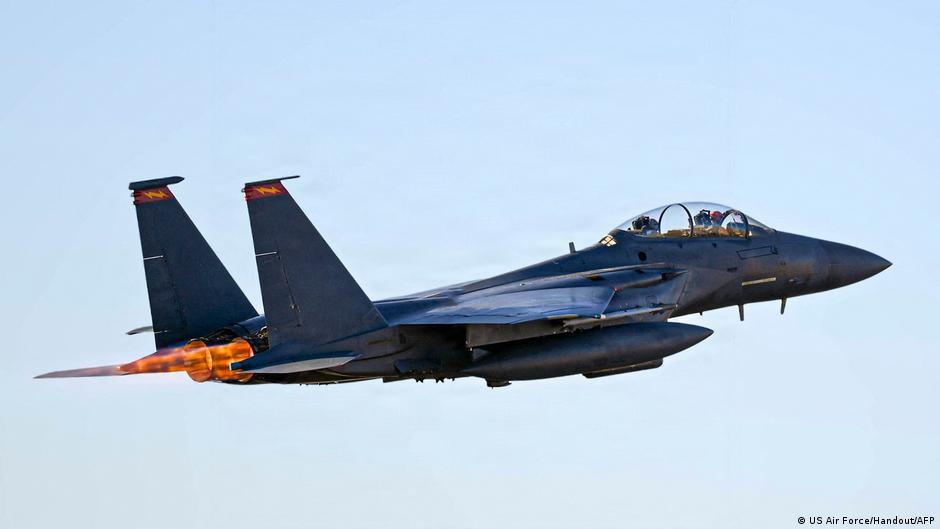
The United States is set to substantially reduce the number of fighter jets and naval vessels it contributes to NATO operations in Europe, according to information reported by The New York Times referencing European officials. This strategic shift marks a major change in the US’s military support posture towards the alliance, with potential implications for NATO’s operational capabilities.
Reduction Details and Strategic Implications
As outlined in a written document shared with European partners in early June, the US intends to decrease its deployment of fighter aircraft from roughly 150 to about 100. This reduction will primarily affect F-16 and F-15E fighter jets. Additionally, the number of maritime reconnaissance aircraft will be cut from 26 to 15, and all eight aerial refueling tankers currently stationed in Europe will be relocated.
Beyond air assets, the US plans to withdraw a missile submarine, an aircraft carrier, and several other warships from European waters. This includes dozens of aircraft that operate from the aircraft carrier, indicating a significant drawdown in naval aviation capabilities as well.
"This decision will limit NATO’s ability to conduct long-range strikes and surveillance operations," the NYT article noted, highlighting concerns about the alliance's preparedness.
Officials indicated that these changes will commence imminently, sooner than European allies had anticipated. The move is part of a broader strategic realignment as the US shifts focus to the Indo-Pacific region, aiming to counterbalance rising geopolitical challenges there.
Context Within NATO Burden Sharing and Future Projections
Historically, the United States has provided approximately half of NATO’s military capability under the alliance’s burden-sharing framework. However, with these planned reductions, Washington is seeking input from other NATO members regarding how they might compensate for the decreased American presence. Proposals are expected at the upcoming Force Sourcing Conference scheduled for June.
Earlier announcements have also revealed that the US will withdraw one of its four combat brigade groups stationed in Europe. This move will reduce the number of American troops in the region to levels last seen in 2021. Combat brigade groups are key tactical units capable of independent operations, with personnel ranging from around 4,000 to 5,000 soldiers depending on the brigade type.
Currently, approximately 100,000 US military personnel are deployed in Europe, including permanent and rotational forces. The drawdown reflects a significant transformation in US military strategy, prioritizing the Pacific theater over traditional commitments in Europe.
The realignment poses challenges for NATO’s strategic planning and defense posture, requiring increased contributions from European allies to maintain operational readiness. The shift also signals a recalibration of US global military commitments amid evolving international security dynamics.