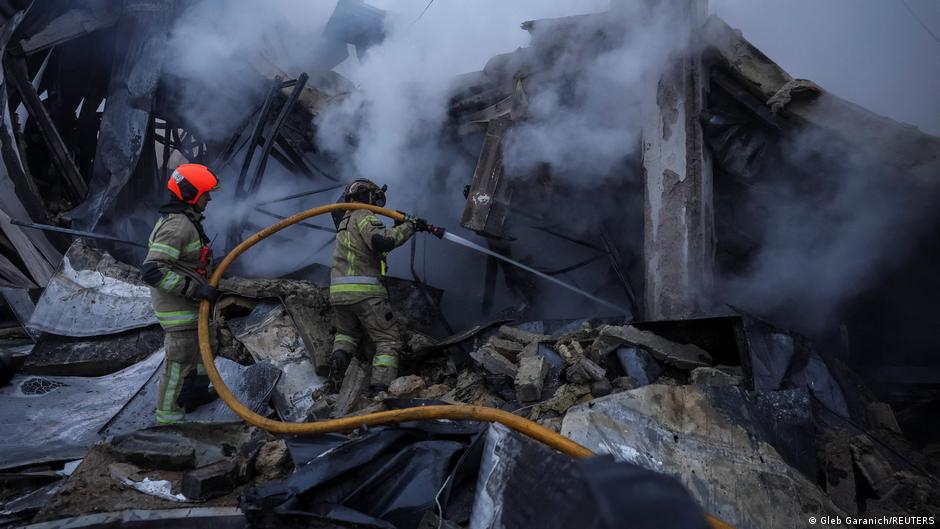
US Military Intercepts Iranian Ballistic Missile Attack Amid Rising Middle East Tensions
The US successfully intercepted ballistic missiles launched by Iran targeting American forces in the Middle East, maintaining high combat readiness amid regional escalation.
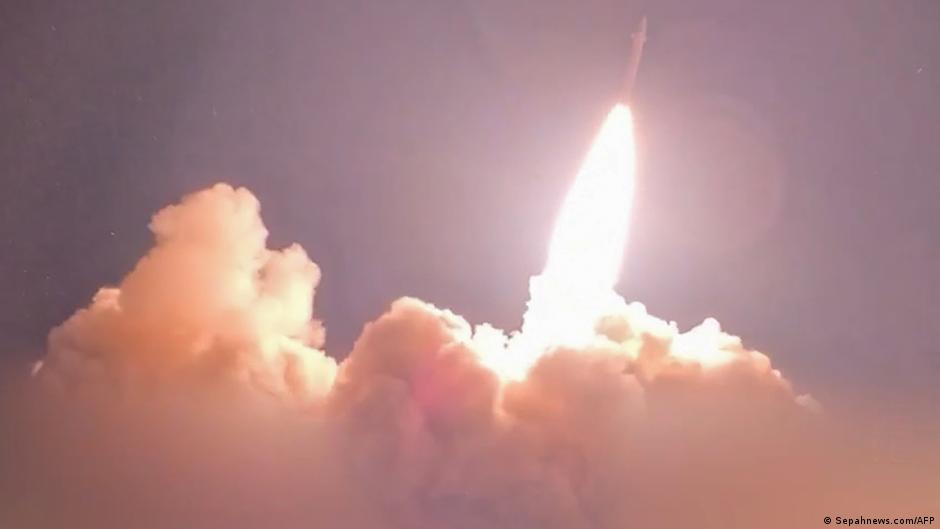
In a significant escalation of tensions in the Middle East, US military forces have reported the interception of ballistic missiles launched from Iranian territory targeting American military personnel stationed in the region. This latest incident marks a critical moment in the ongoing strategic standoff between Washington and Tehran.
Background and Strategic Implications
The missile launches were carried out by Iran’s Islamic Revolutionary Guard Corps (IRGC), which attempted a "surprise attack" on US forces deployed in the Middle East, according to statements released by the US Central Command (CENTCOM) in the early hours of July 29. CENTCOM confirmed the successful interception of all missiles and stressed that US forces in the region remain highly vigilant and combat-ready.
This attack came after a period of relative restraint, with both sides refraining from direct strikes for several days following a series of US nighttime airstrikes against Iranian military sites from July 12 to 24. These airstrikes were intended to degrade Iran’s ability to threaten commercial shipping in the strategically vital Strait of Hormuz, a key global energy transit chokepoint. Iran, for its part, has frequently targeted tankers and conducted strikes on neighboring countries, claiming these actions were aimed at US military bases.
"US forces in the region maintain a high state of combat readiness following the intercepted ballistic missile attack from Iran," CENTCOM stated on social media platform X.
According to reports from media outlets citing anonymous sources, Iran’s missile assault targeted a US military base in Jordan, marking the first such strike on a regional US base since President Donald Trump’s decision to suspend further attacks on Iran earlier this summer.
US Strategic Calculations and Military Posture
Following a spike in hostilities, including a threat from President Trump on July 21 warning Iran of "multiple consequences" for attacks on American troops, CENTCOM has reported the deaths of three US service members. However, after July 24, both sides appeared to pause direct military engagements. This de-escalation was reportedly influenced by a presidential meeting with top advisors, where a decision was made to delay further large-scale strikes against Iran. Factors influencing this decision included concerns about the depletion of missile interceptor stocks, such as those used by Patriot air-defense systems, and the potential for a broader global energy and economic crisis should conflict intensify.
From a corporate and defense industry perspective, these developments underscore the enduring volatility in the region and the strategic importance of maintaining advanced missile defense capabilities. The strain on interceptor inventories could influence procurement strategies and defense contracts, while the risk of supply chain disruptions in energy markets remains a critical factor for multinational corporations operating globally.
Moreover, the dynamics between US military strategy and Iranian responses highlight the complex interplay of geopolitical risks that affect global markets and investment decisions. Companies with stakes in energy, shipping, and defense sectors should monitor these evolving tensions closely, as policy shifts or further escalations may impact operational environments and strategic planning.