Russia Considers Temporary Export Restrictions on Diesel and Jet Fuel Amid Market Disruptions
Russian government debates limiting diesel and aviation kerosene exports for up to two months to stabilize domestic fuel supply.
The Russian government is contemplating temporary restrictions on the export of diesel fuel and aviation kerosene, aiming to stabilize its domestic fuel market amidst recent challenges. This move follows a high-level meeting led by Russian Deputy Prime Minister Alexander Novak, focusing on the current fuel supply situation.
Strategic Response to Fuel Market Disruptions
According to multiple sources, the Ministry of Economic Development is expected to approve a ban on diesel and jet fuel exports, potentially lasting one to two months. These measures are part of a broader effort to coordinate federal agencies and industry players in monitoring and responding to fuel market dynamics.
"It is essential to maintain ongoing monitoring to ensure coordinated action between federal bodies and sector companies, and when necessary, to promptly develop additional response measures," stated Deputy Prime Minister Novak during the meeting.
In parallel, oil companies have been advised to restrain their exports of petroleum products to support domestic supply. This aligns with existing policies such as the full gasoline export ban currently in place until July 31, which has been active since April 1.
Context and Impact of Production Challenges
Restrictions on diesel fuel exports are not new; they have been implemented intermittently since September 2023 to stabilize the internal market. However, an embargo on aviation kerosene exports would mark a novel step for Russian authorities.
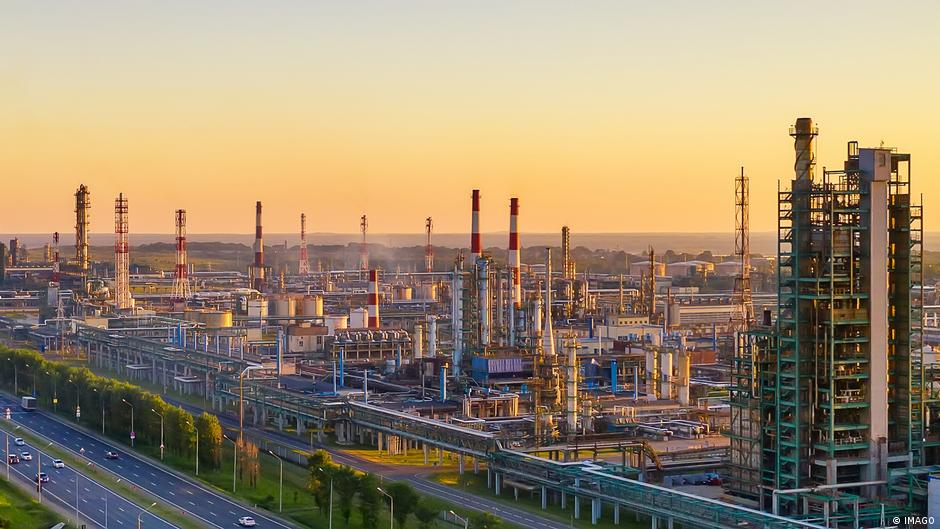
The backdrop to these export limitations includes significant production disruptions at Russia’s major oil refineries, primarily in central Russia, caused by repeated drone strikes attributed to Ukraine. According to industry sources, nearly all large refineries in this region have had to halt or reduce fuel output recently.
The combined refining capacity affected exceeds 83 million tons annually, or roughly 238,000 tons per day—equivalent to about 25% of Russia’s total refining capacity. This encompasses over 30% of gasoline and around 25% of diesel fuel production nationwide.
Notably, while there were no attacks on Russian oil refineries during the initial year of Russia's invasion of Ukraine, the frequency has increased sharply since then: 4 attacks in 2023, 34 in 2024, and 88 in 2025. As of early 2026, 33 strikes have already occurred, surpassing the previous year's count for the same period.
One of the largest affected facilities is Lukoil-Nizhny Novgorodnefteorgsintez (NORSI), located in Kstovo, Nizhny Novgorod Oblast. Following a drone strike on May 20, the refinery was forced to shut down more than half of its production capacity, further exacerbating supply constraints.
Implications for Corporate Strategy and Market Competition
These developments present complex challenges for Russia’s oil refining sector and energy export strategy. The temporary export restrictions, combined with production losses due to security incidents, may reshape market dynamics and competitive positioning.
Oil companies face pressure to balance export commitments with domestic supply needs, potentially adjusting operational priorities and investment decisions. This environment may accelerate strategic shifts toward enhancing refinery resilience, diversifying supply chains, and negotiating with government authorities on export policies.
Overall, Russia’s approach highlights the critical intersection of geopolitical conflict, infrastructure vulnerability, and economic policy in managing energy markets.