Drone Strikes Target Key Russian Industrial Facilities, Including Azot Plant in Tula Region
Recent drone attacks have caused fires at major Russian industrial sites, raising concerns about security and operational resilience.
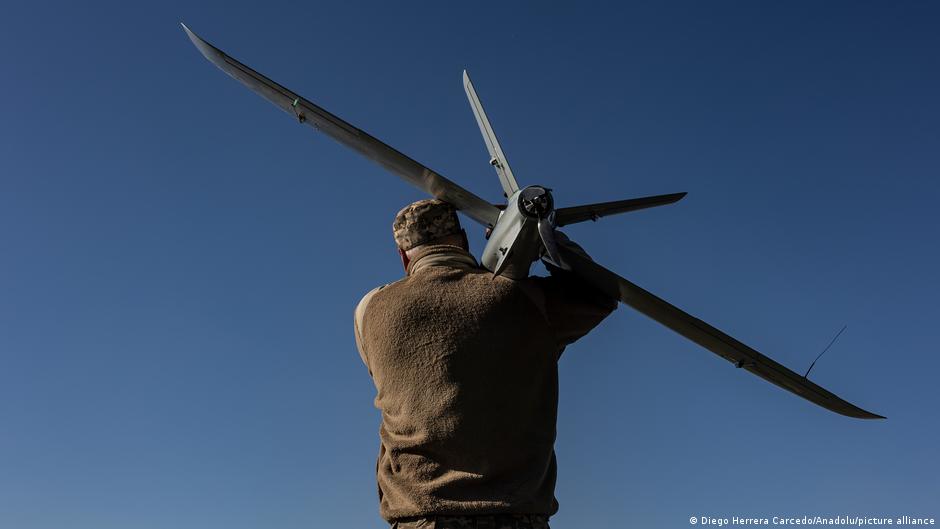
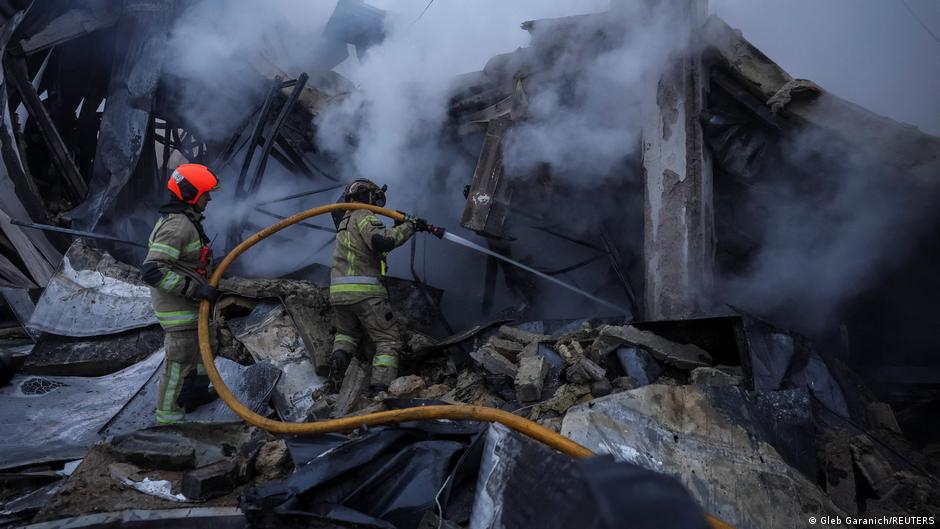
On the night of June 14, multiple regions across Russia, including Tula and Yaroslavl, experienced drone strikes that led to significant fires at industrial facilities. The incidents highlight vulnerabilities in regional industrial security and have prompted emergency responses and operational restrictions.
Strategic Impact on Russia's Chemical and Petrochemical Industry
In the Tula region, fragments of what authorities identified as Ukrainian drones struck the chemical plant "Azot" in Novomoskovsk. Local sources released video footage showing explosions and fires that persisted into dawn. Azot is one of Russia's largest producers of nitrogen fertilizers and also manufactures acetic and nitric acids, key components in the production of military explosives such as octogen and hexogen. This connection underscores the strategic significance of the facility within Russia's defense-industrial complex.
"The emergency response has been organized, and damage assessment is ongoing," stated Dmitry Milyaev, Governor of the Tula region.
Such attacks not only disrupt production but also potentially degrade Russia’s capacity to supply materials for military applications, complicating the broader industrial and defense supply chains.
Broader Regional Disruptions and Security Challenges
In the Oryol region, air defense systems reportedly intercepted and downed four drones without casualties or structural damage. However, local residents reported a drone impact on a residential building in Oryol city, which ignited fires across multiple floors. Official confirmation on this incident was not immediately available.
Additional fires linked to drone strikes were reported in Vyazma, Smolensk region, and a suspected drone attack targeted a fuel depot near Rybinsk in Yaroslavl region, further illustrating the geographic spread of these incursions.
The Governor of Yaroslavl, Mikhail Yevrayev, announced ground transport restrictions on routes toward Moscow due to aerial threats, indicating heightened regional security measures affecting logistics and transportation networks.
Aviation and Energy Sector Disruptions
Rosaviatsiya, Russia's Federal Air Transport Agency, reported operational restrictions at several regional airports including Tambov, Kaluga, Nizhny Novgorod, and Yaroslavl, citing drone threats. Such limitations add pressure on regional mobility and economic activity.
Beyond the central regions, Ukrainian drone strikes also reportedly reached Tatarstan, targeting the "Nizhnekamskneftekhim" plant—one of Russia's largest petrochemical complexes—and the "Taneco" oil refinery. These facilities are critical to Russia's energy sector, and disruptions here may have cascading effects on production and export capabilities.
Implications for Corporate Strategy and Risk Management
The recent wave of drone attacks exposes critical vulnerabilities in Russian industrial infrastructure, especially in sectors intertwined with defense and energy production. Companies operating these assets face significant risks from asymmetric warfare tactics that can disrupt production, damage assets, and challenge supply chains.
From a corporate strategy perspective, this underscores the need for heightened security protocols, investment in counter-drone technologies, and contingency planning. It also raises questions about the resilience of Russia’s industrial hubs and their ability to sustain operations amid ongoing security threats.
The attacks may prompt a reassessment across the competitive landscape, as businesses and regional authorities consider further measures to protect key economic assets. The evolving threat environment highlights the intersection of geopolitical conflict and industrial risk, influencing management decisions and operational priorities.