US Imposes Sanctions on Cuban State Oil Company Amid Escalating Political Pressure
Washington targets Union Cuba Petroleo (CUPET) as part of broader strategy to curtail Cuba’s energy trade and influence
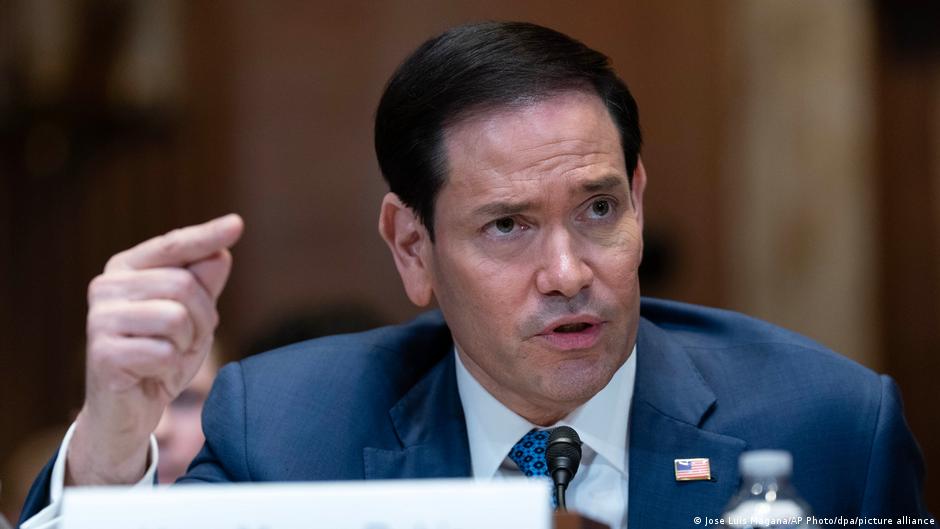
The United States government has announced new sanctions against Cuba’s state-owned oil and gas company, Union Cuba Petroleo (CUPET), escalating the economic and political pressure on Havana. The move, revealed by U.S. Secretary of State Marco Rubio on June 11, forms part of a broader strategy aimed at disrupting the Cuban government’s control over the energy sector and limiting its financial resources.
Strategic Focus on Cuba’s Energy Sector
Secretary Rubio characterized CUPET as an instrument used by Cuba’s communist elite to maintain social control and enrich themselves through kleptocracy. "The communist elite of Cuba uses the energy sector as a tool for social control and kleptocratic gain," Rubio stated on social media.
"Until the Cuban people gain greater economic and political freedom and opportunities, we will continue to strike at the regime’s ability to use energy trade to promote its corrupt and oppressive agenda."
CUPET has been added to the U.S. Treasury Department’s Specially Designated Nationals (SDN) list, effectively prohibiting all U.S. persons from engaging in business with the company. The sanctions extend extraterritorially, warning foreign entities that dealings with CUPET could trigger secondary sanctions.
Broader Political Context and Sanctions Targeting Leadership
This latest sanction builds on a series of punitive measures by the U.S. administration targeting key figures within Cuba’s political hierarchy. On June 4, the White House imposed sanctions against Cuban President Miguel Díaz-Canel, members of the family of former leader Raúl Castro, and several others linked to the Cuban government. The U.S. Treasury’s recent action also includes sanctions against Díaz-Canel’s wife and stepson, and members of the Castro family lineage.
Although 95-year-old Raúl Castro no longer holds official posts, he remains influential in decision-making processes. The U.S. has also accused him of involvement in the destruction of two civilian aircraft in 1996, which resulted in four fatalities.
U.S. policy toward Cuba has grown increasingly confrontational over recent months amid concerns about the Cuban regime’s governance and human rights record. Cuban officials have accused Washington of seeking pretexts for military intervention, while President Donald Trump has publicly stated intentions to "take control" of the island.
Economic Impact and Regional Dynamics
Cuba has been subject to a U.S. economic embargo since 1962, but the current crisis is the most severe since the Soviet Union’s collapse. The country struggles with widespread electricity shortages and fuel scarcities that have hampered economic activity and daily life.
A significant blow to Cuba’s energy supply came in January when Venezuelan President Nicolás Maduro was apprehended by U.S. forces and taken to the United States. Venezuela, once Cuba's main oil supplier, subsequently ceased shipments, further straining the island’s energy resources.
By targeting CUPET, the U.S. aims to exacerbate economic pressure on the Cuban government and undermine its ability to finance state functions and maintain political control. This sanction also signals a continued hardline U.S. stance seeking to isolate Cuba economically and politically.