Drone Attacks in Russian Regions Cause Civilian Casualties Amid Escalating Cross-Border Tensions
Recent drone strikes by Ukrainian forces resulted in multiple casualties and infrastructure damage in Russia’s Belgorod and Rostov regions.
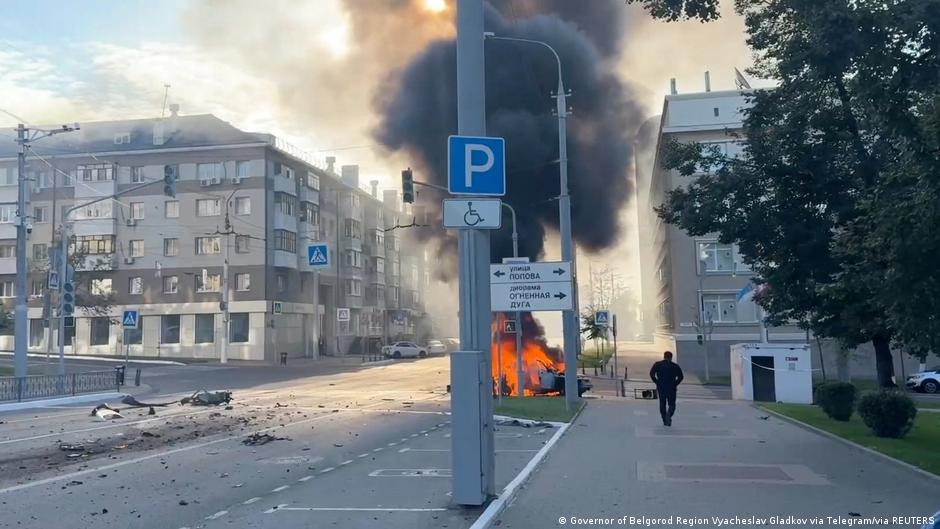
On the night of July 27, Russian border regions experienced intensified hostilities involving drone attacks attributed to Ukrainian forces. The Belgorod and Rostov oblasts reported civilian casualties and property damage, signaling an escalation in cross-border conflict that carries implications for regional security and corporate stability.
Impact of Drone Strikes on Regional Stability and Infrastructure
According to local authorities in the Belgorod region, 12 civilians were injured in a coordinated drone attack, including two children. The assault caused fires in several residential apartments and vehicles, resulting in temporary shutdowns of utilities in affected multi-story buildings. The mayor of Belgorod, Valentin Demidov, confirmed these disruptions and noted that some residents were displaced to temporary shelters due to unsafe living conditions.
Simultaneously, the Rostov region reported casualties from similar attacks. Governor Yuri Slyusar informed that a married couple died and five others were wounded in Rostov-on-Don as a result of the strikes. These incidents highlight the vulnerability of civilian infrastructure and residents amidst ongoing military confrontations.
"The sustained drone attacks demonstrate evolving tactics that increase risks not only to military but also to civilian targets, challenging regional governance and crisis management," an analysis of the conflict suggests.
Strategic and Corporate Implications of Cross-Border Hostilities
The intensification of drone and missile strikes between Russian and Ukrainian forces adds complexity to the regional security environment. For businesses operating in or near conflict zones, these developments pose direct risks to assets, supply chains, and workforce safety. The temporary disruption of utilities and transportation networks can have cascading effects on local economies and corporate operations.
Moreover, the conflict’s ongoing escalation creates a challenging atmosphere for investors and corporate leaders evaluating risk exposure in the region. Decisions regarding capital allocation, contingency planning, and corporate social responsibility increasingly factor in geopolitical instability and its impact on human resources and infrastructure resilience.
Russian military responses have included large-scale drone and missile attacks on Ukrainian territories, targeting multiple oblasts such as Dnipropetrovsk, Sumy, Chernihiv, Zaporizhzhia, Kharkiv, and Kherson, according to Ukrainian Air Force reports. This reciprocal escalation underscores the protracted nature of the conflict and the strategic use of unmanned aerial vehicles as a tool in modern warfare.
Overall, the conflict dynamics underscore the importance of adaptive management strategies for companies with interests in the affected regions. Mitigating operational risks while maintaining compliance with government directives will be crucial in navigating the volatile environment.
Businesses and policymakers alike must monitor these developments closely, as the intersection of military engagements and civilian impact may influence broader economic and strategic decisions in the region.