Audi Plans $4 Billion Georgia SUV Plant as U.S. Tariffs Bite
The Volkswagen premium brand is localizing production as tariffs, falling U.S. sales and group-wide cost cuts reshape its strategy.
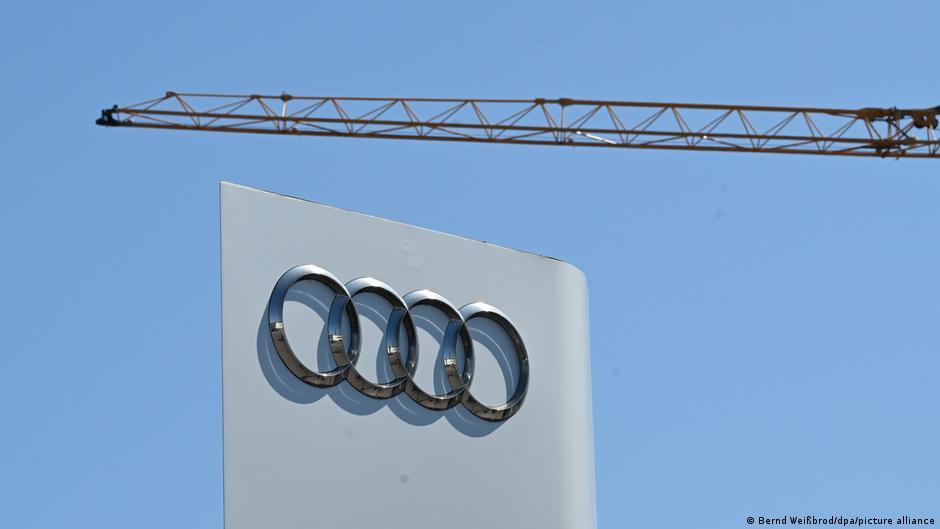
Audi plans to invest approximately $4 billion in its first wholly owned U.S. manufacturing plant, a major strategic shift for a premium brand that has historically supplied the American market entirely from Europe and Mexico.
The Volkswagen-owned automaker intends to build the factory in Macon, Georgia, where it will manufacture large premium sport utility vehicles. U.S. President Donald Trump announced the project on Saturday, October 24, during a campaign event in Perry, Georgia. Trump said the facility is expected to produce 200,000 vehicles annually.
Audi Chief Executive Gernot Döllner, who appeared alongside Trump, described the project as a long-term investment reflecting the company’s confidence in the U.S. market. Construction is scheduled to begin in 2027, with production expected to start in the early 2030s. Audi estimates that the plant will create about 4,500 jobs.
For Audi, the Georgia commitment represents both an expansion in a strategically important market and a costly response to a more protectionist U.S. trade environment.
Tariffs Transform Audi’s Manufacturing Strategy
An administration representative told Reuters that the Georgia factory will assemble the Audi Q7, Q8 and Q9. The emphasis on the company’s biggest and most premium SUVs positions the plant around models suited to American consumer preferences and capable of supporting the economics of a multibillion-dollar investment.
Audi also plans to produce 25,000 vehicles annually in neighboring South Carolina. Together, the two initiatives mark a decisive move toward regional manufacturing after years of relying on imports for every Audi vehicle sold in the United States.
That import-based model has become increasingly expensive. Tariffs introduced by Trump cost the automaker €1.2 billion in 2025. Audi’s U.S. sales then declined by 16% in 2026, according to Reuters, increasing the pressure on management to address both the cost of market access and the brand’s weakening commercial performance.
Local production could reduce Audi’s exposure to import duties while giving the company a larger industrial presence in one of the world’s most important premium-vehicle markets. The long timetable, however, means the investment will not provide an immediate answer to current tariff costs or falling sales. With construction beginning in 2027 and output starting only in the early 2030s, Audi must manage the intervening years under the existing trade and competitive conditions.
Political Pressure Meets Corporate Restructuring
Since beginning his second presidential term in January 2025, Trump has pressed foreign companies to transfer production to the United States, threatening high customs duties if they do not comply. He has also promised to remove import tariffs for companies that meet his demand for domestic manufacturing.
Audi’s decision therefore aligns its capital-allocation strategy with the administration’s industrial policy. The announcement at a Trump campaign event also places the investment within a broader political effort to present tariffs as leverage for attracting factories and jobs. For Audi, the commercial calculation centers on whether the cost and complexity of establishing U.S. production will be outweighed by tariff relief, a stronger local supply position and improved access to American customers.
The investment is particularly significant because it comes while parent company Volkswagen is pursuing substantial cost reductions elsewhere. Volkswagen’s supervisory board approved a cost-cutting program in September 2026 under which the group intends to eliminate approximately 50,000 additional jobs worldwide over the coming years.
At the same time, the future of four Volkswagen plants in Germany—in Emden, Zwickau, Hanover and Neckarsulm—has come into question. The group has said that production volumes at those sites are not guaranteed after 2030, creating uncertainty about whether they will continue operating.
The contrast highlights the geographic rebalancing facing Volkswagen’s management. The group is preparing to commit billions of dollars and create thousands of positions in Georgia while reducing its global workforce and reconsidering the long-term role of established German factories. The moves are not necessarily contradictory: they reflect an effort to put production closer to demand and reduce exposure to trade barriers while lowering costs across the wider organization.
A Long-Term Bet on Premium SUVs
The planned annual capacity of 200,000 vehicles makes the Georgia project more than a limited assembly operation. By assigning the Q7, Q8 and Q9 to Macon, Audi is anchoring its U.S. manufacturing strategy in high-end SUVs, a segment central to its competitive position against other premium automakers.
The plant could ultimately give Audi greater flexibility in responding to U.S. demand and trade policy. Yet its success will depend on conditions several years from now, including the strength of the premium market, the durability of tariff incentives and Volkswagen’s ability to fund expansion while executing a sweeping restructuring.
Audi’s Georgia decision consequently serves two strategic purposes: defending access to the U.S. market and reshaping the brand’s global production footprint. It also demonstrates how government trade policy can accelerate capital-intensive manufacturing decisions, even as corporate leaders cut capacity and employment in other regions.