Ukrainian President Warns of Russia’s Planned Expanded Mobilization and Military Cooperation with North Korea in 2026
Ukraine’s Zelensky outlines Russia’s strategy to increase troop recruitment and deepen military ties with North Korea amid ongoing conflict.
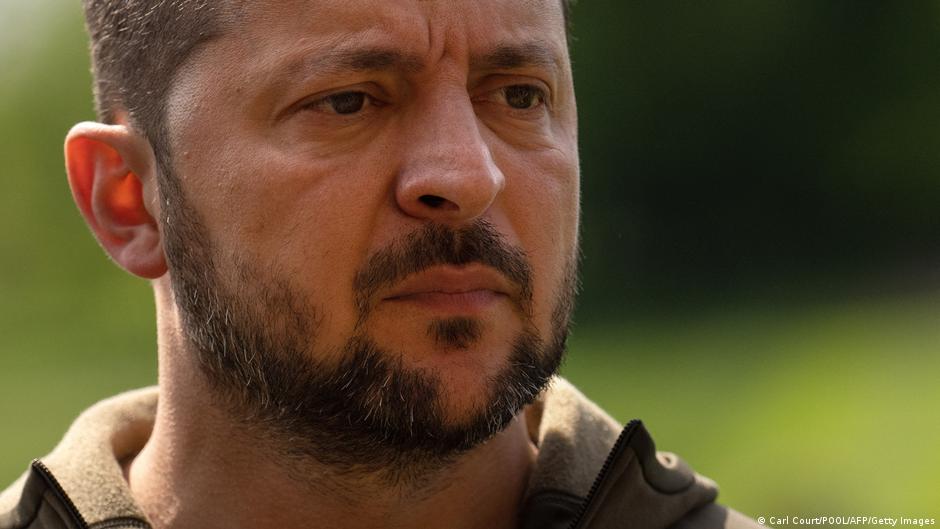
Ukrainian President Volodymyr Zelensky has revealed intelligence suggesting that Russia intends to "expand mobilization" efforts in the autumn of 2026. This development reflects a broader strategic shift by Moscow to reinforce its military capacity amid sustained combat operations. Zelensky also highlighted the anticipated arrival of 30,000 North Korean soldiers in Russia's Voronezh region and the transfer of advanced missile systems from Pyongyang to Moscow.
Strategic Implications of Russia’s Expanded Mobilization
The specifics of what constitutes the "expanded mobilization" have not been explicitly detailed by Ukrainian authorities. Nevertheless, Zelensky emphasized that Russian President Vladimir Putin appears prepared to increase conscription aggressively, potentially enlisting new Russian citizens extensively for ongoing military campaigns. He stated, "He masks this with other words and signals but is preparing. It is crucial that we and our partners exert sufficient pressure on Russia so that thoughts of ending this aggression prevail over additional mobilization plans."
"Russia wants to obtain 30,000 more soldiers from North Korea." – Volodymyr Zelensky
Notably, Zelensky stressed that Russia’s military collaboration with North Korea constitutes a significant threat, not only exacerbating the conflict but also destabilizing the Asian security landscape. According to the Ukrainian president, Pyongyang is preparing to deliver new ballistic missile launchers to Moscow, an action that extends Russia’s military capabilities and bolsters North Korea’s strategic partnerships.
"The cooperation in the military sphere between Russia and North Korea is a threat to every country in Asia within reach of North Korean missiles," Zelensky warned. He characterized Russia’s assistance as effectively enabling North Korea to "learn warfare." This development introduces complex geopolitical ramifications, potentially influencing military balances in both Europe and Asia.
Contextualizing the Mobilization Efforts Within Russia’s Military Strategy
Russia previously conducted a "partial mobilization" between late September and early October 2022, following substantial battlefield losses. Although the partial mobilization decree remains officially active, Russian officials have framed its continuation as necessary for fulfilling various military obligations, as clarified by Kremlin spokesperson Dmitry Peskov.
According to Ukrainian assessments, Russian forces are currently experiencing higher casualty rates than recruitment inflows, compelling Moscow to plan further troop build-ups. Zelensky highlighted this imbalance, stating, "Russians are losing more troops on the front than they can recruit, yet Putin intends to escalate attacks and widen this war." This approach suggests a protracted conflict strategy relying heavily on replenishing military manpower despite sustained losses.
For corporate and strategic analysts, Russia’s mobilization expansion and enhanced military cooperation with North Korea signal potential intensification of the conflict, which may provoke shifts in international defense postures and influence global arms trade dynamics. Furthermore, these developments could impact sanctions regimes, energy markets, and multinational defense contracting, as countries reassess risk and engagement strategies.