US Recalibrates Canada Tariffs as Trade Tensions Reshape Supply Chains
Washington is removing 50% duties from selected Canadian imports while extending tariffs to a new group of consumer and industrial goods.
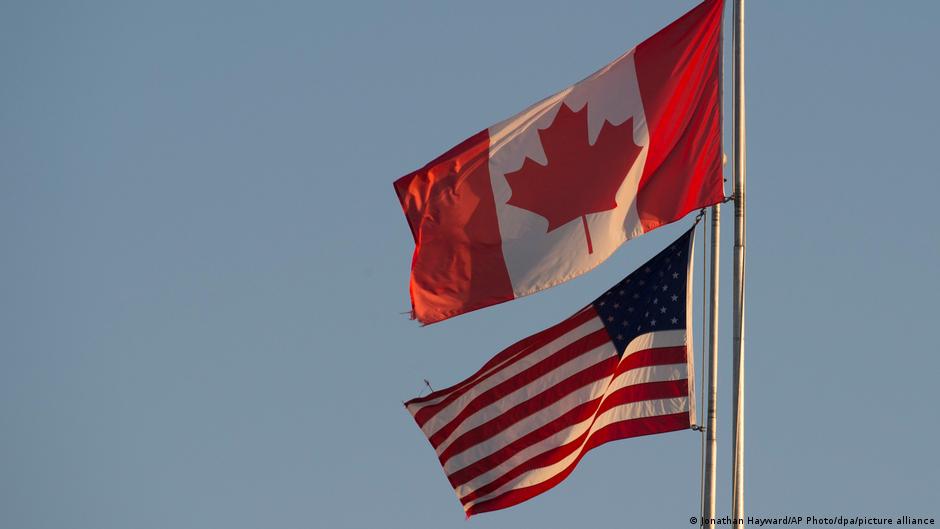
US President Donald Trump has ordered the removal of 50% customs duties on a range of Canadian goods from October 30, marking a selective easing of trade barriers even as Washington imposes tariffs on other product categories from its northern neighbor.
The order, signed on Friday, October 23, removes the elevated duties from plywood, certain paper products, machinery used by the pulp and paper industry, packing cases and cardboard boxes, as well as fresh and dried seaweed.
For companies operating across the highly integrated US-Canada market, the decision represents a targeted recalibration rather than a broad retreat from protectionism. The relief covers several inputs and packaging products used in industrial supply chains, potentially reducing procurement costs for US manufacturers and distributors that depend on Canadian suppliers. Canadian producers in the affected categories may also regain some pricing competitiveness in the US market.
Tariff Relief Paired With New Commercial Pressure
The White House simultaneously added a separate set of Canadian products to the tariff list, presenting the move as a way to balance the withdrawal of the 50% duties. The newly covered goods include carpets, paints, shampoos, cocoa powder, wooden coffins, ice-pop sticks, air conditioners, freezers, archery products and canoes.
The composition of the two lists suggests that Washington is shifting the commercial burden among industries rather than reducing it across the bilateral relationship. Businesses receiving relief now have greater scope to revisit sourcing plans, pricing and inventory decisions ahead of the October 30 implementation date. Companies exposed to the new tariffs, by contrast, face pressure to absorb the added expense, pass it on to customers or seek alternative suppliers.
The adjustment could therefore create uneven effects across the competitive landscape. Canadian plywood, paper and packaging businesses stand to benefit from restored access on less punitive terms, while manufacturers and exporters in the newly targeted categories may lose ground to US producers or suppliers from other countries. Importers must also assess whether changing vendors would be commercially viable once logistics, quality standards and existing contracts are taken into account.
Ottawa Reviews Its Options
Canada is evaluating the US action, according to Dominic LeBlanc, the Canadian minister responsible for intergovernmental affairs and trade with the United States. His response signaled a willingness to negotiate while emphasizing that any revised commercial framework must also serve Canadian interests.
Ottawa is “ready to work constructively and in good faith to build a more mutually beneficial trade relationship that takes Canada’s interests into account,” LeBlanc said.
For corporate management teams, Ottawa’s review introduces another layer of uncertainty. The possibility of further Canadian measures means businesses cannot treat the October tariff changes as a final settlement. Executives in affected industries will need to monitor the policy response and prepare for potential changes in market access on both sides of the border.
Broader Dispute Tests Cross-Border Strategy
The dispute over the US-Canada trade arrangement, including reciprocal tariffs of 50%, has become one of the clearest signs of deteriorating relations between Washington and Ottawa since Trump returned to the presidency. The political tension has extended beyond trade: Trump has repeatedly raised the possibility of incorporating Canada into the United States as its 51st state.
At the end of September, the United States suspended imports of several Canadian products for an indefinite period. The affected categories included alcoholic beverages, beer, sparkling wine and whey, certain dairy products, and motorcycles. Washington took that step after Ottawa responded in kind to the US administration’s introduction of higher customs duties in August.
That sequence of measures has made long-term planning more difficult for companies whose operations span the border. Tariffs and import suspensions can alter the economics of manufacturing networks that were designed around predictable access to both markets. They may also affect capital allocation, as boards reconsider whether to expand facilities, relocate production or build additional inventory to protect against policy disruptions.
The latest order offers immediate relief to several Canadian industries, but its strategic significance lies in the administration’s more selective use of trade barriers. By withdrawing duties from some inputs while targeting a diverse group of finished and intermediate goods, Washington is signaling that access may increasingly be determined category by category. That approach gives policymakers leverage, but it leaves corporate leaders managing a fragmented and rapidly changing set of commercial risks rather than a single, stable tariff regime.