Russia Extends Use of Euro-3 Gasoline Standard Until End of 2026 Amid Fuel Supply Crisis
The Russian government permits sale of outdated Euro-3 fuel domestically to stabilize energy markets amid refinery disruptions, excluding EAEU exports.
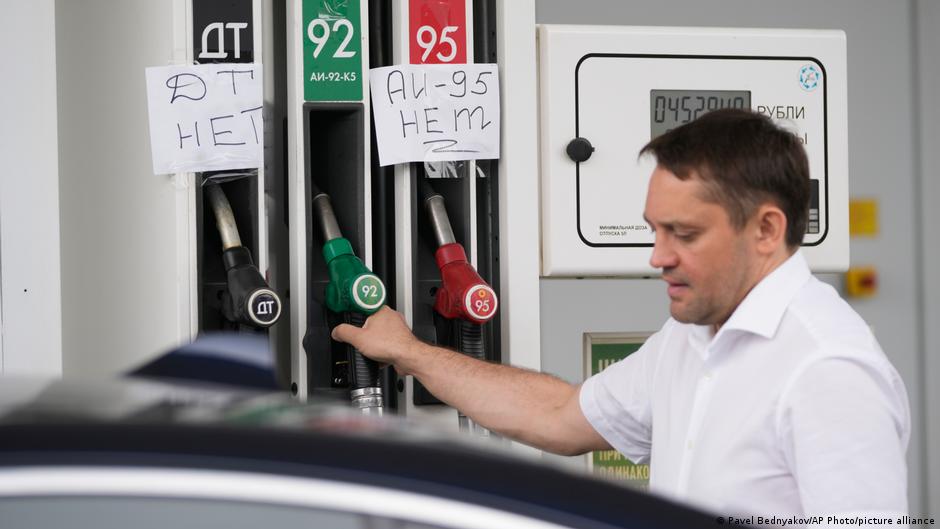
The Russian government has authorized the continued circulation of gasoline and diesel fuels meeting the obsolete Euro-3 environmental standard until the end of 2026. This move aims to prevent instability in the domestic energy market following significant disruptions in refinery operations but excludes the export of such fuels to other Eurasian Economic Union (EAEU) member states.
Strategic Shift in Fuel Standards to Address Supply Constraints
On July 2, the Russian government published a decree signed by Prime Minister Mikhail Mishustin allowing certain refineries to produce and distribute fuels adhering to the Euro-3 standard. This standard, which was in effect in Europe between 2000 and 2005, permits sulfur content levels in gasoline up to 150 mg/kg and in diesel up to 350 mg/kg. By contrast, the more rigorous Euro-5 standard limits sulfur content to just 10 mg/kg, representing a 15-fold and 35-fold decrease respectively.
The Ministry of Energy emphasized that this regulatory rollback serves as a preventive measure to maintain market stability amid ongoing challenges. Notably, fuels classified as Euro-3 will not bear the unified product circulation marking required within the EAEU and will not be authorized for sale outside Russia’s borders.
Industry analysts interpret this decision as an adaptive response to operational constraints, enabling refineries with limited upgrading capabilities to remain productive by processing crude oil with fewer refining stages.
"The transition to lower environmental standards allows utilization of crude oil without deep processing and involves production capacities unable to manufacture higher-quality fuels," explained Dmitry Prokofiev, Communications Director at NEFT Research. "However, use of Euro-2 fuel, in particular, may pose safety risks for modern vehicles."
Contextualizing the Fuel Crisis: Operational Disruptions and Market Impact
The backdrop to this policy shift is a significant fuel supply crisis driven by repeated attacks by Ukrainian armed forces on Russian refineries and fuel infrastructure. The crisis intensified in late May when Moscow’s Kapotnya refinery, which supplies approximately 40% of the capital’s fuel, was struck twice in one week and is expected to remain offline until late 2026 or early 2027.
According to Reuters, Russian gasoline production has declined by 25% year-over-year to 85,000 tons per day amid summer demand levels of 110,000 tons daily. This shortfall has necessitated rationing measures across more than 40 regions, including occupied Ukrainian territories, with supply disruptions reported in as many as 85 federal subjects.
Industry data from analytics firm Kpler indicates gasoline reserves have contracted by several hundred thousand tons over the past three months. President Vladimir Putin has publicly acknowledged the severity of the shortages.
Implications for the Russian Oil Refining Sector and Market Competition
The government's allowance for Euro-3 fuel production offers immediate relief for refinery operators unable to meet higher environmental standards due to operational damages or technical limitations. This regulatory flexibility may help sustain output levels and prevent deeper market disruptions in the near term.
However, the adoption of outdated fuel standards raises questions about long-term competitiveness and environmental compliance, especially as global markets increasingly demand cleaner fuels. The exclusion of Euro-3 fuels from EAEU-wide circulation further isolates Russia’s internal fuel market, potentially complicating regional integration efforts.
From a corporate strategy perspective, refinery operators face complex decisions balancing compliance costs, investment in upgrading technologies, and operational viability in a conflict-impacted environment. The government's preventive approach reflects an effort to preserve the existing refining capacity and avoid exacerbating economic pressures but may delay modernization initiatives critical to sustainability.