Russian Strikes on Ukrainian Regions Result in Multiple Casualties Amid Ongoing Conflict
Continued Russian attacks on Ukrainian cities cause fatalities and injuries, impacting civilian infrastructure and raising security concerns.
On July 2, Russia intensified its military strikes across several Ukrainian regions, following a deadly night assault on Kyiv that reportedly marked the highest casualty toll since the war began. Targeted areas included Kherson, Zaporizhzhia, Dnipropetrovsk, Mykolaiv, Kharkiv, Sumy, and Donetsk, with significant impacts on civilians and infrastructure.
Overview of Recent Attacks and Regional Impacts
The daytime and evening attacks extended the pattern of sustained aggression aimed at disrupting Ukraine’s regional stability. In Kherson, a missile strike on a civilian vehicle resulted in the death of a 41-year-old man, while a separate attack on a medical facility claimed the life of a 63-year-old physician and injured a nurse. Additional casualties occurred due to unexploded ordnance encountered by a local resident during routine activities.
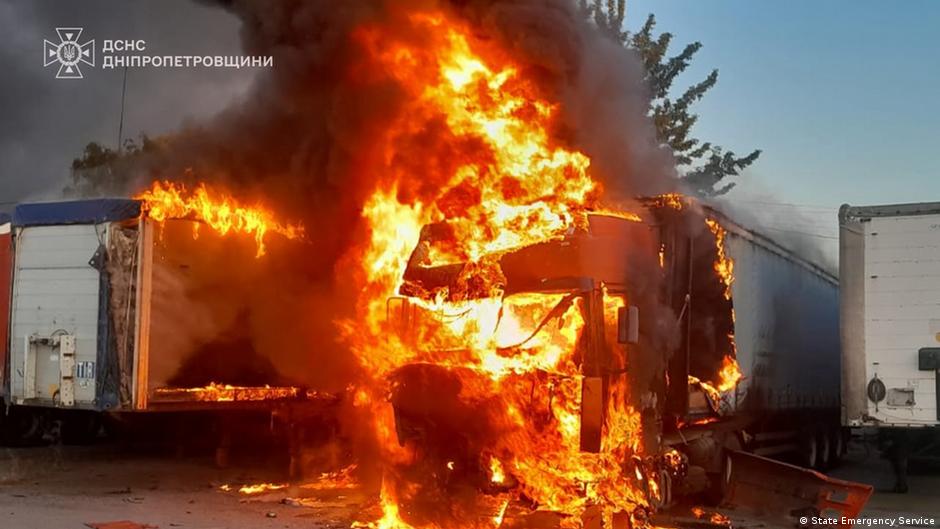
Zaporizhzhia experienced multiple strikes targeting residential and commercial sites, including a residential building, storage facilities of a retail store, a sorting center of a logistics company, and a sports complex. These attacks injured seven individuals, notably children aged 6 to 16.
In Dnipropetrovsk region, around 40 strikes employing drones, artillery, bombs, and missiles caused two fatalities—including a seven-year-old girl—and injured nine people, among them several children. Damage to residential buildings, a gymnasium, and vehicles was reported.
Mykolaiv’s infrastructure was also hit by drone strikes, resulting in one death and seven injuries. The attack destroyed a gas station building and damaged nearby homes and cars.
Kharkiv saw missile strikes that damaged a high-rise residential building, a gas station, and several vehicles, leaving three people injured.
Sumy was targeted by three guided aerial bombs, which severely damaged a school and caused injuries to 11 individuals, including three children and two school employees. Additionally, a drone strike on a postal vehicle injured a driver and a mail carrier.
In Donetsk’s Kramatorsk, an unmanned aerial vehicle strike on a car caused injuries to one person.
"The continued targeting of civilian infrastructure and residential areas demonstrates a concerted strategy to undermine Ukrainian civilian life and regional stability," said analysts monitoring the conflict's developments.
Strategic and Business Implications
These attacks highlight the ongoing risks to regional economic activity and civilian safety, which have substantial implications for business operations and investment climate in Ukraine. The targeting of logistics hubs, transportation infrastructure, and commercial facilities disrupts supply chains and challenges both local and international companies operating in affected regions.
Moreover, the persistent threat to infrastructure raises concerns over long-term reconstruction costs and the necessity for enhanced risk management strategies among corporations with assets in Ukraine. The destruction of educational and healthcare facilities further complicates workforce stability and community resilience, critical factors for sustainable business environments.
From a corporate strategy perspective, companies must assess geopolitical risk more rigorously and explore diversification of operations to mitigate exposure to conflict zones. The evolving security landscape underscores the importance of adaptive management decisions and contingency planning to safeguard human capital and physical assets.