Drone Attacks Ignite Fires at Oil Storage and Refinery Facilities in Southern Russia
Ukrainian drone strikes cause significant damage to oil infrastructure in Rostov and Saratov regions, prompting emergency responses and raising strategic concerns.
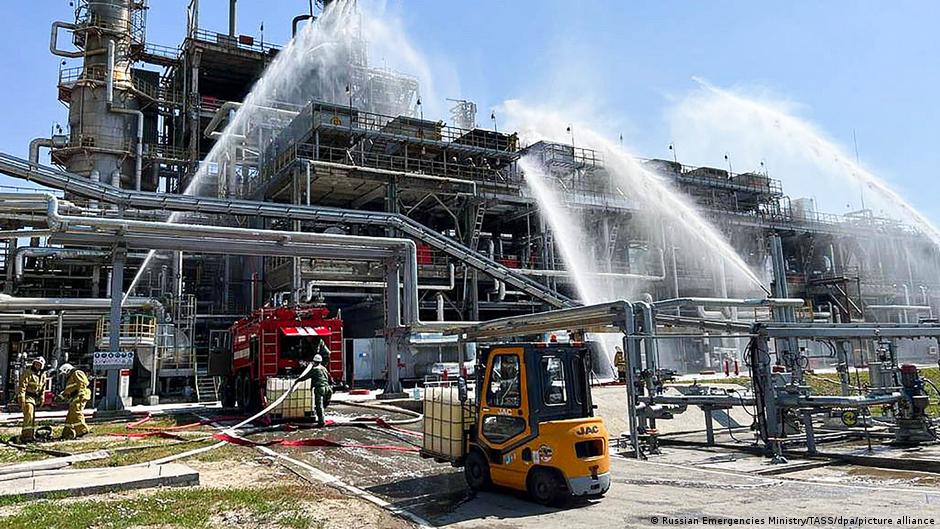
On the night of May 31, a drone attack targeted critical oil infrastructure in Russia's southern regions, leading to significant fires and operational disruptions. The incidents involved a private fuel storage facility in the Rostov region and the Saratov Oil Refinery Plant (NPP), marking a notable escalation in targeting of energy assets amid ongoing hostilities.
Strategic Impact of Targeting Energy Infrastructure
According to statements from regional governors, the Rostov region experienced a fire at a private oil storage depot used primarily to supply agricultural producers. The fire broke out in the Matveev-Kurgan district after debris from a downed drone struck the facility. Authorities evacuated nearby residents as a precaution, and emergency services, including a fire train, were deployed promptly to contain the blaze.
"Residents of nearby private homes were evacuated as a safety measure. There are currently no casualties, and emergency services are actively working at the site," said Rostov Governor Yuri Slyusar.
Additional damage was reported in Matveev-Kurgan, where a pharmacy, two retail stores, and a vehicle were affected. Local sources noted an unusual phenomenon described as "oil rain" following the attack on the fuel reservoir, indicative of the extent of the damage to the storage tanks.
Simultaneously, in the Saratov region, Governor Roman Busargin confirmed damage to civil infrastructure following another drone strike, with no reported casualties. Open-source intelligence (OSINT) reports and social media channels specializing in regional conflict monitoring identified the Saratov Oil Refinery Plant as the struck facility. Photographic and video evidence circulated by local observers showed fires and destruction consistent with a targeted assault on critical refinery assets.
The Saratov refinery has been a repeated target in previous attacks, underscoring its strategic value and vulnerability in the current conflict landscape. These strikes disrupt fuel processing capabilities, impacting regional energy supplies and logistics chains.
Corporate and Regional Security Considerations
The attacks highlight the growing risk profile for companies operating oil storage and refining assets in contested regions. Private enterprises supplying agricultural and other industrial sectors face heightened operational risks, including physical asset damage and supply chain interruptions.
From a corporate strategy perspective, these developments necessitate a reassessment of risk management frameworks, security investments, and contingency planning. Companies may need to enhance protective measures, diversify supply sources, or consider operational adjustments to mitigate the impact of ongoing hostilities.
Moreover, these incidents illustrate the evolving nature of conflict-related disruptions in the energy sector, where non-state actors and drone technology increasingly challenge traditional defense mechanisms. The ability of adversaries to strike high-value industrial nodes with relatively low-cost means introduces new competitive pressures on regional energy players.
In summary, the recent drone attacks on oil infrastructure in the Rostov and Saratov regions represent a significant escalation with direct consequences for corporate operations and regional energy security. Stakeholders must closely monitor developments and adapt strategies to navigate this complex and dynamic risk environment.