UK Grants Indefinite License for Importing Russian-Origin Fuel Amid Energy Market Pressures
London permits import of diesel and aviation kerosene derived from Russian oil via third countries starting May 20, reflecting strategic energy and sanction policy adjustments.
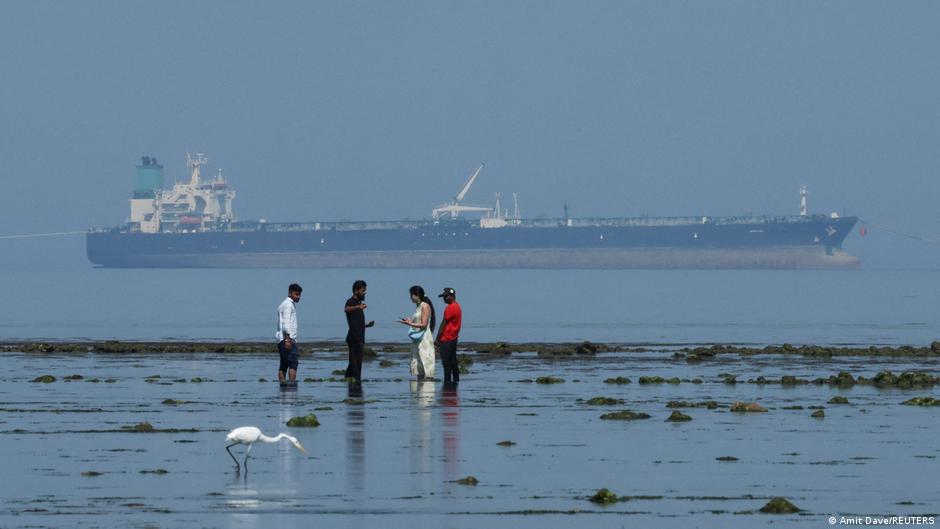
On May 19, the UK government announced the issuance of an indefinite license allowing the import of diesel and aviation kerosene produced from Russian crude oil in third countries. This license, effective from May 20, marks a significant shift in the UK's approach to sanctions and energy supply amid rising fuel costs and geopolitical pressures.
Strategic Implications and Market Context
The newly granted license permits the import of petroleum products of Russian origin circumventing existing sanctions directly targeting Russian oil and coal imports. While the UK initially banned Russian oil and coal imports in 2022 following Russia's full-scale invasion of Ukraine, this development indicates a nuanced recalibration in response to escalating energy prices and supply chain disruptions.
Official statements clarify that the license lacks an expiration date but will be subject to periodic review, underscoring a flexible approach in adapting to evolving market conditions. The decision aligns closely with a similar move by the United States, which extended licenses on May 18 for maritime transport and sale of Russian oil and its derivatives, aiming to support vulnerable countries affected by supply interruptions linked to the conflict in Iran.
"The license reflects a pragmatic response to global energy supply challenges, balancing sanction enforcement with the need to stabilize fuel availability and affordability," a government source indicated.
The UK government also authorized maritime transport licenses for liquefied natural gas (LNG) imports from Russia, valid until January 1, 2027, further signaling a strategic openness to Russian energy supplies under regulated conditions.
Competitive Landscape and Economic Effects
The backdrop to these policy shifts includes increased oil supply volumes from Russia and surging global prices triggered by geopolitical tensions, notably the ongoing conflicts involving the US, Israel, and Iran. Bloomberg reported that Russian export revenues for petroleum products hit a peak since the Ukraine conflict began, averaging $2.42 billion weekly as of early May.
The blockage of the Strait of Hormuz has exacerbated supply constraints, prompting Washington to relax certain sanctions to facilitate alternative oil sources from Russia. This has increased market competition among global suppliers and impacted energy pricing dynamics in Europe and beyond.
For UK corporations and energy market participants, the license potentially opens pathways to diversify fuel sourcing, mitigate supply risks, and manage cost pressures in a volatile geopolitical environment. However, it simultaneously raises complex questions about sanction integrity, reputational considerations, and the long-term strategic positioning of UK energy policy amid ongoing international conflicts.
Market analysts anticipate ongoing government reviews to balance economic imperatives with geopolitical commitments, indicating that the license's indefinite status should not be interpreted as a permanent relaxation but rather as a conditional instrument subject to changing global circumstances.