Lukoil's Nizhny Novgorod Refinery Halves Capacity Following Ukrainian Drone Attacks
Lukoil's Nizhny Novgorod refinery suspended over half of its processing capacity after drone strikes disrupted operations in May.
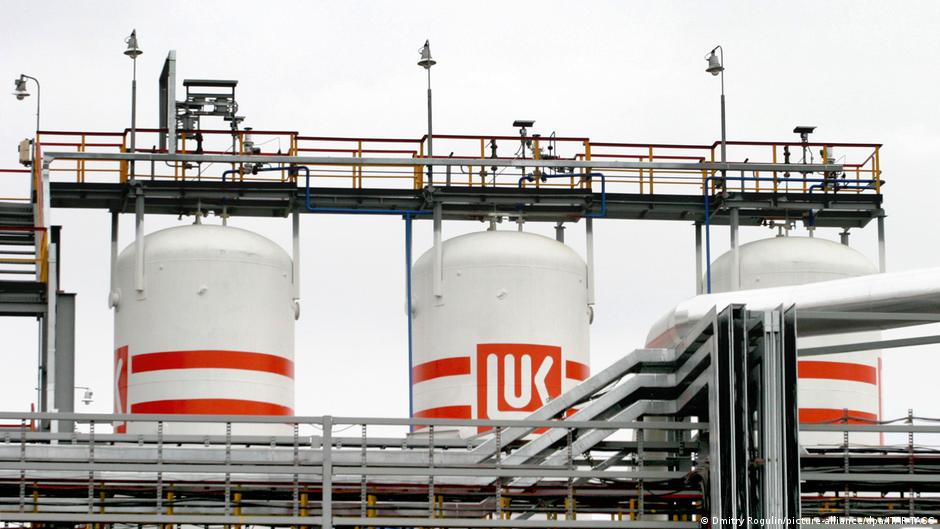
One of Russia's largest oil refineries, Lukoil's Nizhny Novgorod refinery, known as Nizhniy Novgorodnefteorgsintez (NORSI), has significantly reduced its operational capacity after sustaining damage from Ukrainian drone attacks in the early hours of May 20. Industry sources confirmed to Reuters that the refinery's primary oil distillation unit, AVT-6, was halted, resulting in a 53% reduction in the plant’s throughput.
Strategic Implications of the Operational Halt
Prior to the incident, NORSI was ranked as Russia's fourth-largest oil refinery and the country's second-largest gasoline producer. The facility, located in the city of Kstovo, Nizhny Novgorod region, had an annual throughput capacity of approximately 16 million tonnes of crude oil, translating to roughly 320,000 barrels per day. The shutdown of the AVT-6 unit, which handles about 25,700 tonnes per day, translates into a significant loss of refining capability.
This is the second time in two months that the facility has had to reduce operations due to drone strikes. The previous attack, on April 5, also caused damage leading to production disruptions. Despite media and OSINT reports of fires at the refinery following the May 20 attacks, local authorities have not officially confirmed the extent of the damage.
"The curtailment of over half of the refinery's processing capacity marks a substantial operational setback for one of Russia’s key fuel producers."
The cumulative effect of recent drone strikes has extended beyond the NORSI refinery. According to official sources and industry insiders, nearly all major oil refineries in central Russia have had to suspend or scale back fuel production in recent weeks. The total refining capacity affected exceeds 83 million tonnes annually, or about 238,000 tonnes per day—roughly a quarter of Russia's total refining capacity.
This reduction represents more than 30% of the nation's gasoline production and about 25% of diesel fuel output. The Russian Ministry of Energy has not provided official comments on these developments.
From a corporate and strategic perspective, these disruptions pose considerable challenges not only to Lukoil’s operational continuity but also to Russia’s broader fuel supply chain and domestic energy security. The targeted attacks highlight emerging vulnerabilities in infrastructure amid ongoing geopolitical tensions, potentially accelerating shifts in the competitive landscape of Russian refining.
Market observers and analysts will be closely monitoring Lukoil's management decisions and contingency strategies moving forward, particularly regarding investments in security, operational resilience, and possible adjustments in supply and distribution channels to mitigate the impact of such disruptions.