Iran Replenishes Missile Arsenal Amid Conflict, Potentially Supported by Russian Arms Transfers
Bloomberg reports Iran has restored most of its missile stockpile during ceasefire, possibly aided by recent Russian missile deliveries.
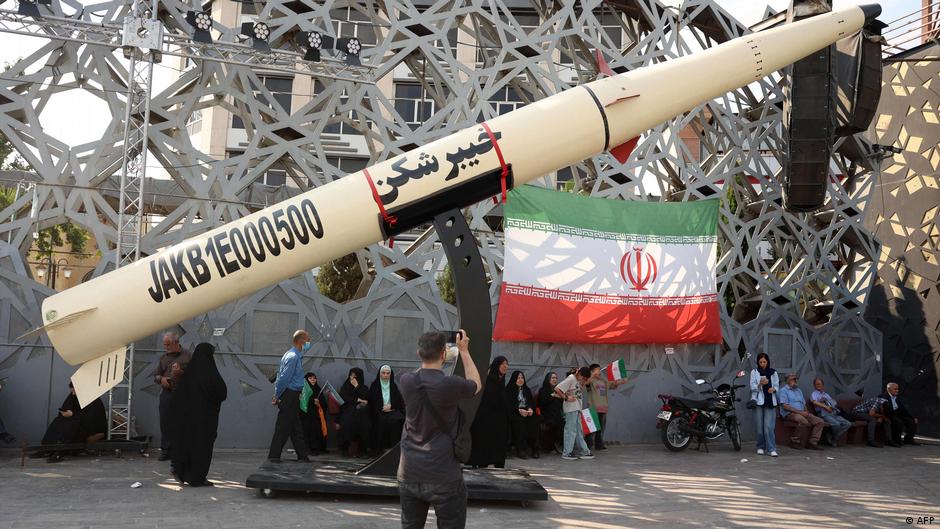
Recent intelligence reports suggest that Iran has managed to replenish a significant portion of its missile arsenal during an eight-week ceasefire with the United States, with indications that Russia may have supplied new weaponry to Tehran. This development reflects a strategic restoration of Iran's military capabilities amidst ongoing regional conflicts and has notable implications for geopolitical dynamics and defense planning.
Strategic Resupply and Its Implications
According to multiple unnamed Western intelligence sources cited by Bloomberg, Iran's missile stockpile has not only avoided critical depletion but has now been bolstered with new weapons, including missiles believed to be of recent Russian manufacture. These weapons "likely rolled off production lines within the past year," indicating active support and supply despite the ongoing tensions in the Middle East.
This restocking occurred during the ceasefire period between Iran and the US, as Tehran utilized the reprieve to restore its firepower to approximately three-quarters of its pre-escalation levels. Previously, the US had asserted that Iran's missile inventory had been significantly reduced to about 21-22% of original levels, while earlier intelligence had estimated stockpiles at around 60% during peak conflict stages.
"Iran used the ceasefire to ensure sufficient firepower capable of delivering a near-full retaliatory strike should hostilities resume," intelligence sources noted.
Despite these developments, Russia has not publicly commented on the allegations of recent arms transfers, maintaining silence when approached for official statements.
Operational and Strategic Considerations
Analysts highlight that while US and Israeli strikes have likely damaged or destroyed many Iranian missile launch platforms, including subterranean storage facilities, Iran appears to have effectively cleared and redistributed its arsenal to maintain operational readiness. The continued production and deployment of inexpensive unmanned aerial vehicles (UAVs), such as the Shahed drones, further complicate the strategic calculus, as these assets are more resilient to disruption and have become a favored tool in Iran's military engagements.
Kelly Grillo, a senior fellow at the Washington-based Stimson Center, emphasized the relative ease with which Iran can assemble these drones even amid conflict, suggesting that fully incapacitating Iran's UAV capabilities is a significant challenge. This sustained missile and drone capacity constrains US options and influences deliberations on potential renewed military strikes.
Political developments add complexity to the landscape. On June 13, US President Donald Trump announced an imminent agreement with Iran, expected to coincide with his 80th birthday on June 14, which would lead to reopening the strategically vital Strait of Hormuz and ease global fuel supply concerns. However, Iranian officials have since denied any confirmed timeline for such an agreement, underscoring persistent uncertainties in diplomatic progress.
Business and Geopolitical Impact
For corporations and investors monitoring defense sector supply chains and geopolitical risk, these developments highlight the fluidity and resilience of Iran's military-industrial capabilities despite sanctions and conflict pressures. The potential involvement of Russian arms transfers introduces additional complexity, signaling continued cooperation between Moscow and Tehran that may influence regional power balances and defense procurement decisions.
Companies engaged in defense manufacturing, energy markets, and regional infrastructure should continue to assess the evolving security environment, particularly regarding potential escalation risks and the stability of transport routes like the Strait of Hormuz, which remains crucial for global oil flows.