Russia Authorizes Sale of Lower-Grade Fuels Until 2027 Amid Energy Crisis
Russia authorizes sale of lower-grade Euro-2 to Euro-4 fuels until mid-2027, responding to refinery disruptions with a temporary, crisis-driven policy shift.

Russia authorizes sale of lower-grade Euro-2 to Euro-4 fuels until mid-2027, responding to refinery disruptions with a temporary, crisis-driven policy shift.

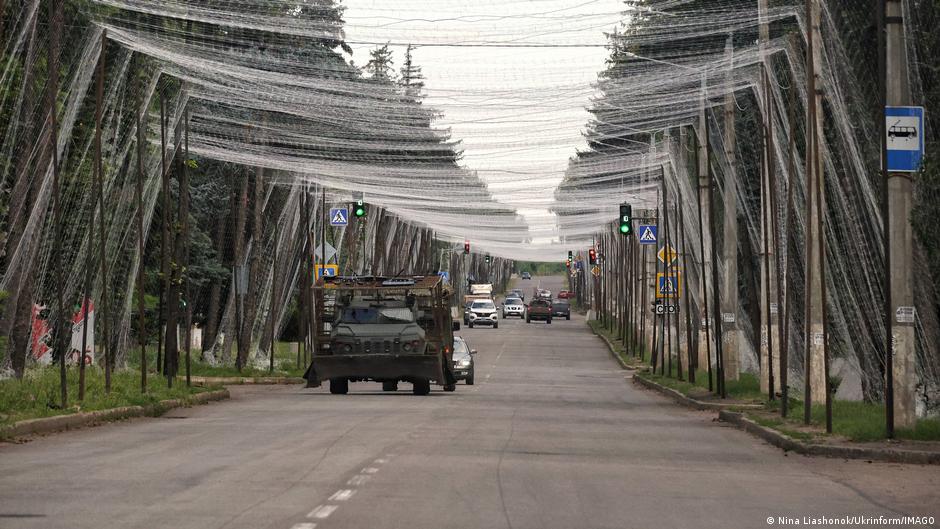
Ukraine’s Security Service reports a 40-day campaign targeting over 100 Russian strategic assets, focusing on military and energy infrastructure to pressure Russia towards peace.

Russian petroleum product production fell nearly 22% in June 2026 amid refinery disruptions and supply constraints, despite partial market stabilization claims.

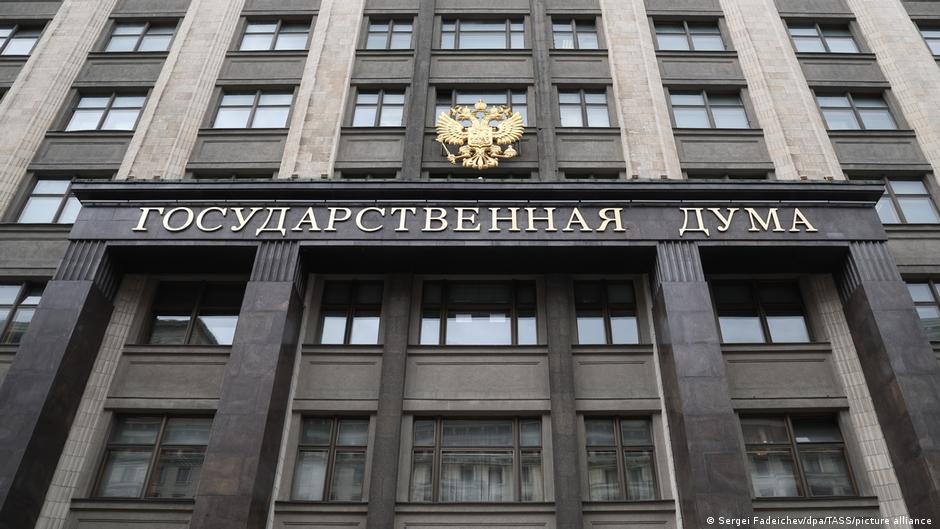
The Russian State Duma has amended tax laws to refine the fuel dampener system and import compensation, aiming to stabilize domestic fuel prices and supplies amid sector disruptions.

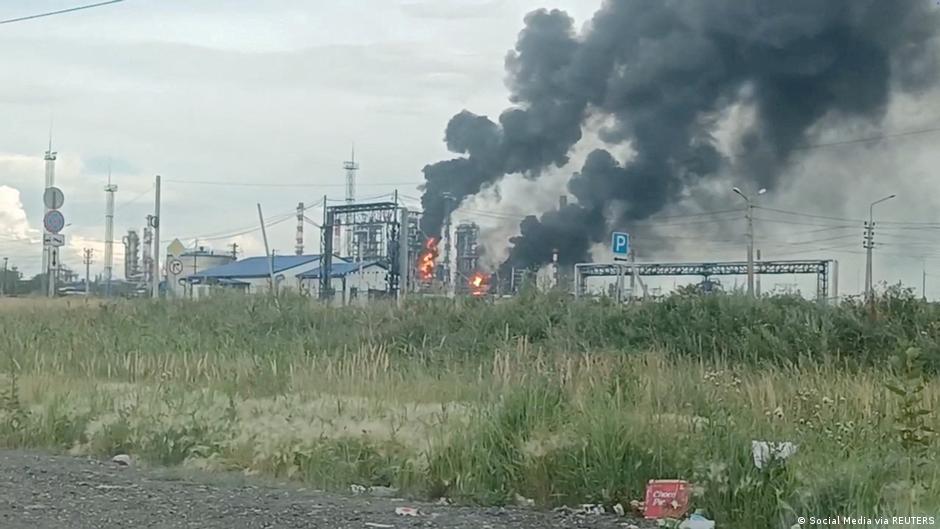
Ukraine’s drone attacks have forced the Saratov oil refinery to halt operations, deepening Russia’s fuel shortage and prompting regional sales restrictions.

Uzbek aluminium producer AKFA Aluminium is preparing for its first international bond issuance and IPO to enhance corporate governance and broaden financing sources.

Russia allows production and sale of Euro-3 gasoline and diesel until end of 2026 to ease fuel shortages caused by attacks on refineries, excluding exports to EAEU states.

In June 2024, Russia reduced drone and missile attacks on Ukraine amid potential supply and production challenges, while Ukraine intensified strikes on Russian fuel and defense infrastructure.

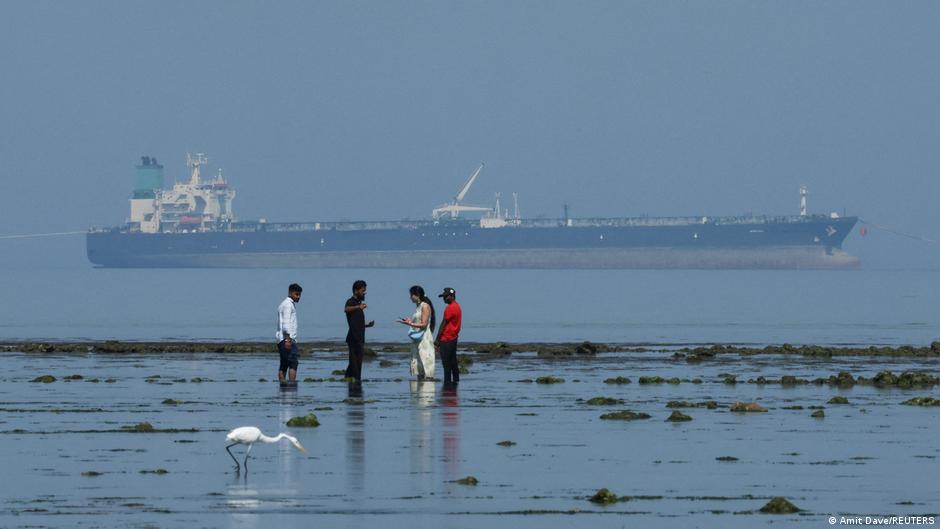
Russia's maritime oil exports hit a peak weekly volume in June 2026 despite intensified competition from Iran after US sanctions relief, highlighting complex strategic challenges.

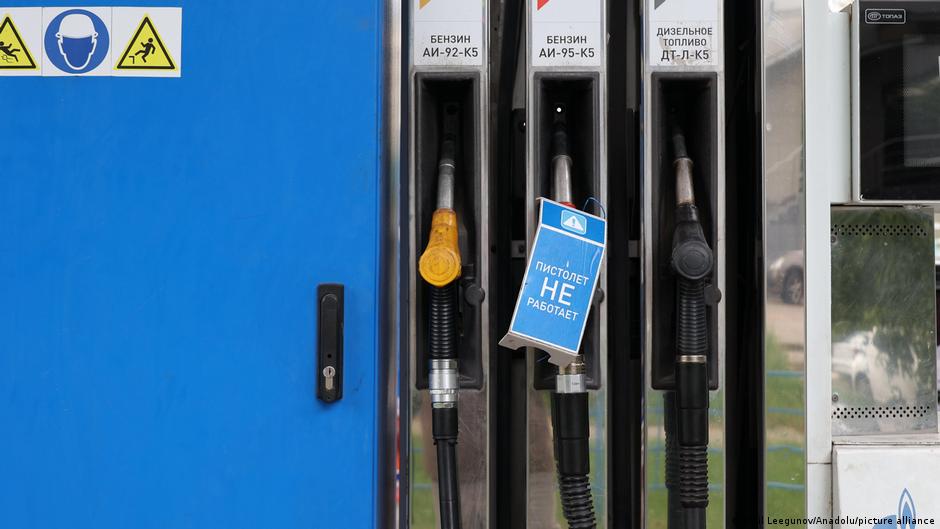
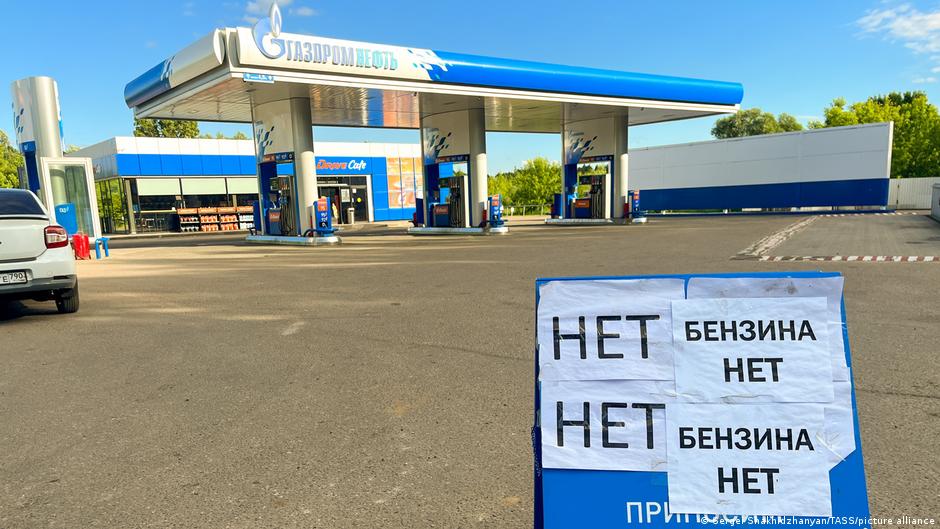
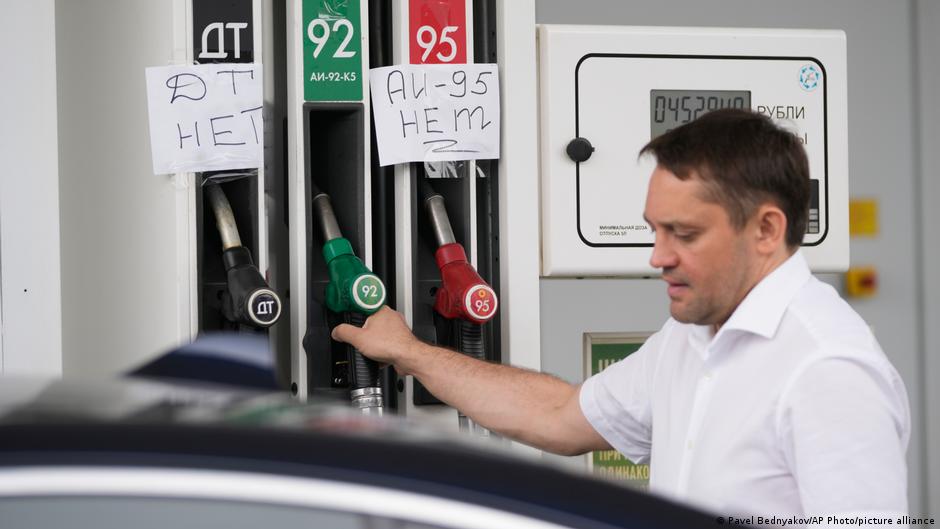
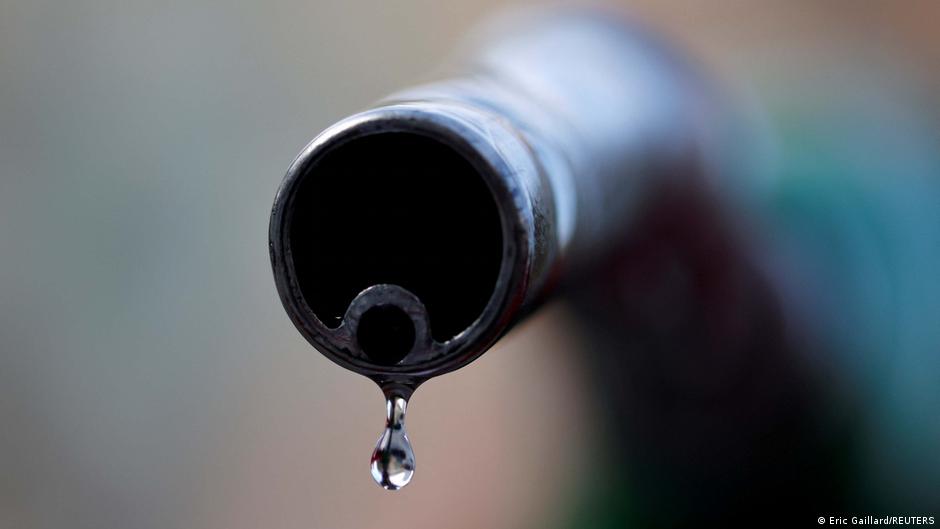
Russian regions impose fuel purchase limits due to supply disruptions from Ukrainian drone attacks on oil infrastructure, affecting over 50 regions nationwide.

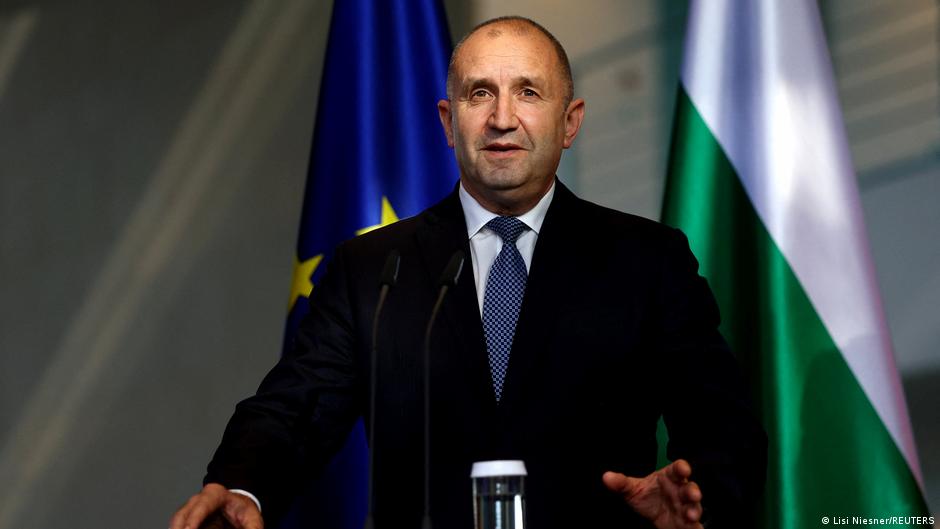
Bulgaria plans to veto the EU's new sanctions against Russia, citing risks to its oil industry and supply chains, while supporting Ukraine's EU accession talks.

Rosneft advisor Andrey Bezrukov warns Russia may remain in a state of war for decades, urging economic and defense restructuring amid rising security risks and evolving threats.

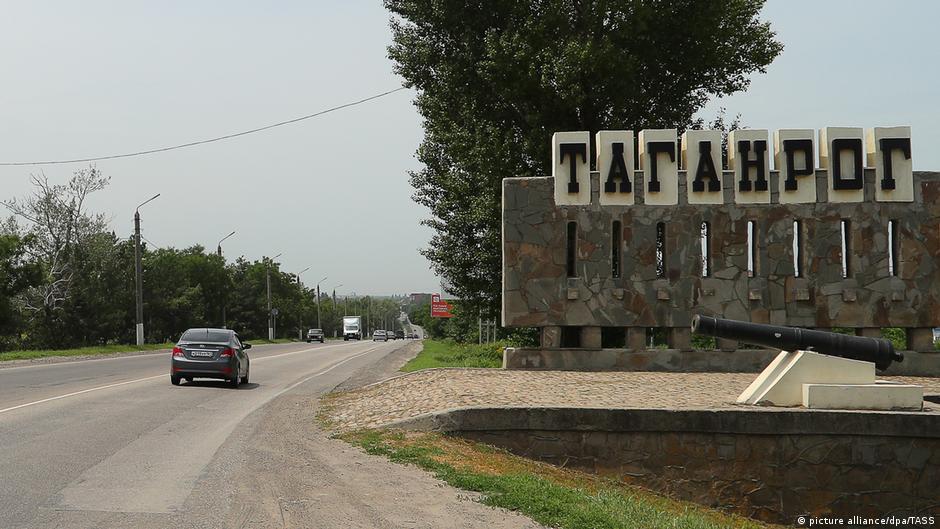
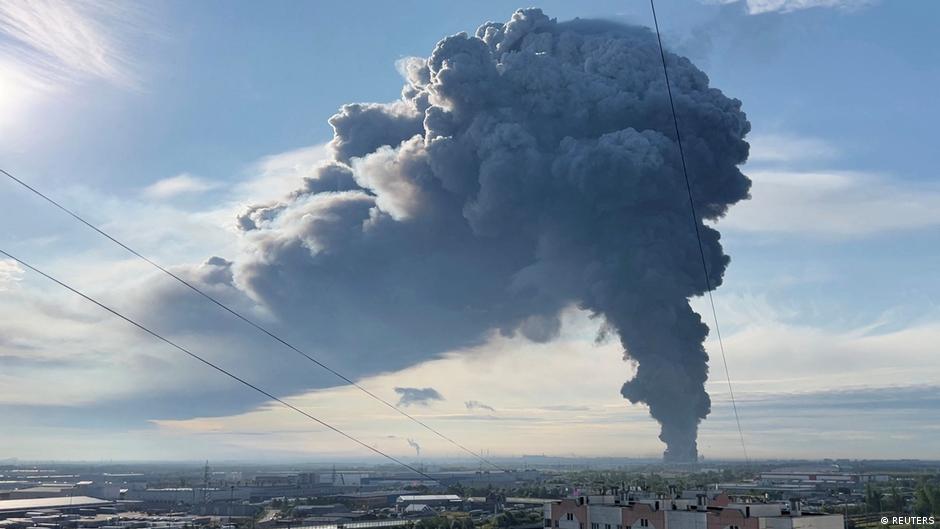
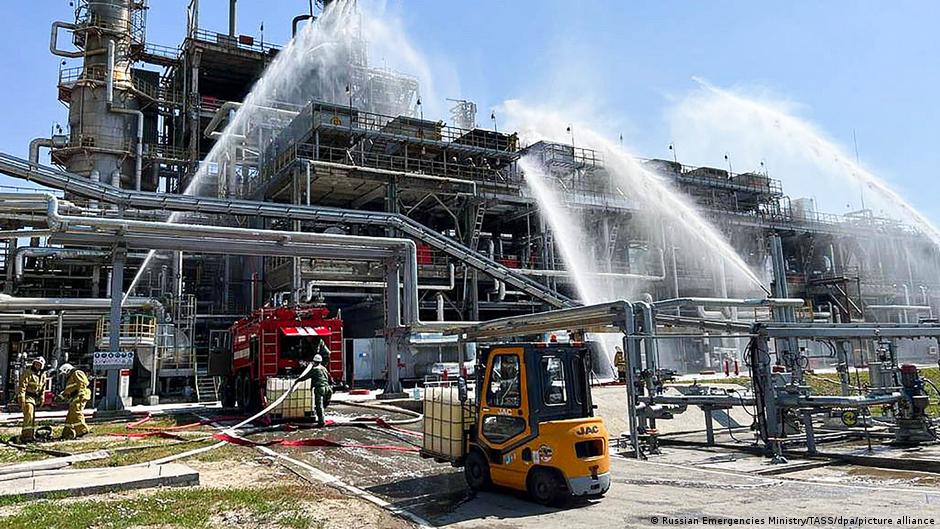
Drone attacks on oil storage and refinery facilities in Rostov and Saratov regions cause fires and damage, raising concerns over energy infrastructure security.

Russia plans to limit diesel and aviation kerosene exports temporarily amid refinery disruptions caused by repeated drone attacks, aiming to stabilize the domestic fuel market.

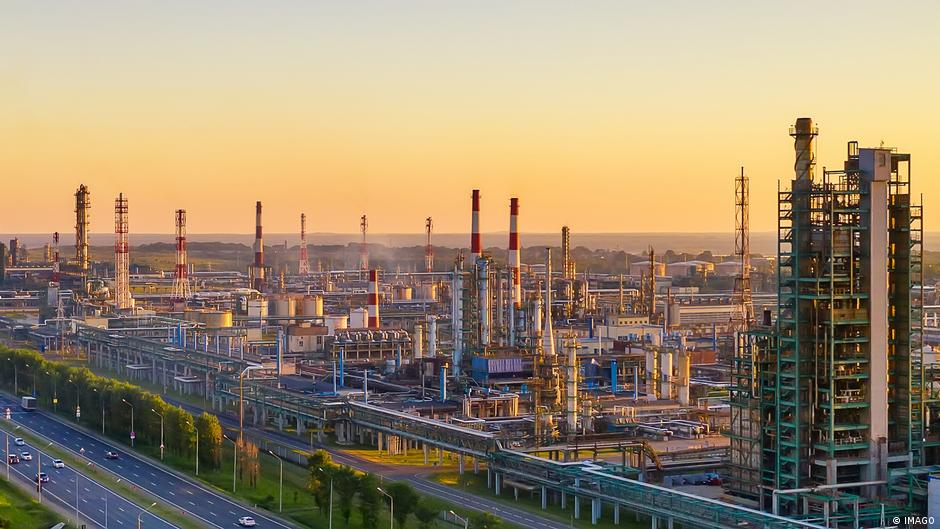
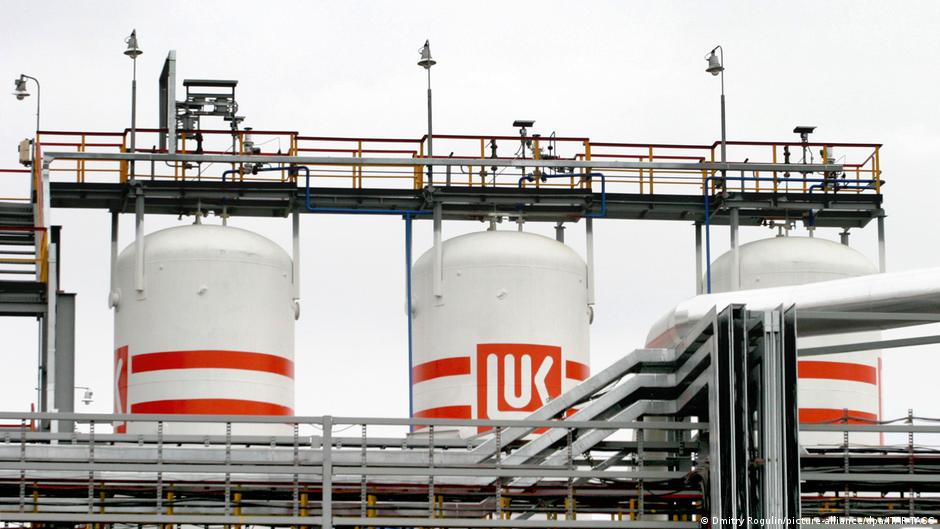
Lukoil's Nizhny Novgorod refinery halted over half its capacity after Ukrainian drone attacks, marking a significant blow to Russia's refining sector and fuel supply.

Global oil reserves fell by a record 200 million barrels in April amid Middle East conflict and supply disruptions, signaling tightening markets and potential price hikes.