Israel Responds to Ukraine’s Protest Over Russian Grain Ship in Haifa Port
Israeli Foreign Ministry denies receipt of evidence from Ukraine regarding alleged stolen grain on Russian vessel docked in Haifa.

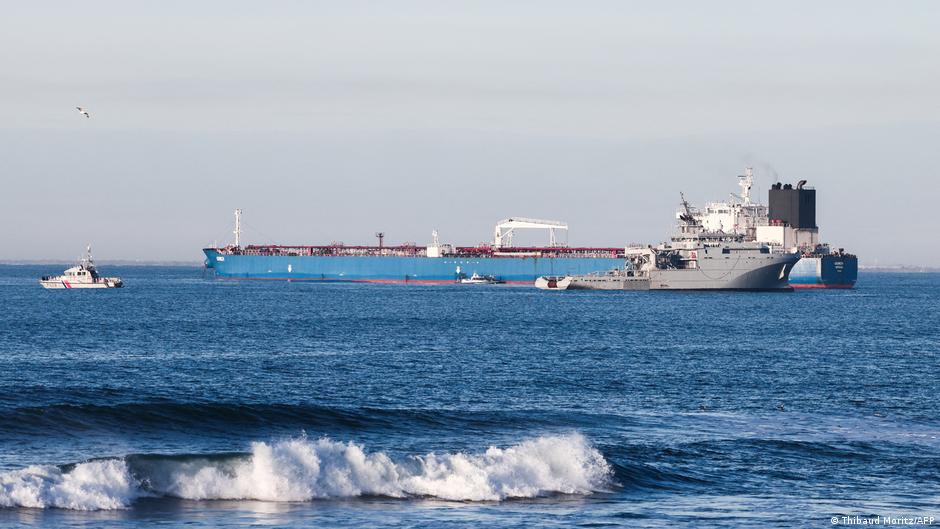
The Israeli Ministry of Foreign Affairs has responded to Ukraine's diplomatic protest concerning the docking of a Russian cargo ship carrying grain allegedly stolen from Ukrainian territories at the port of Haifa. Israeli Foreign Minister Gideon Saar stated on April 27 that no evidence supporting these accusations has yet been presented.
Ukraine’s call for protest came after the Russian bulk carrier Abinsk reportedly delivered approximately 43,700 tons of wheat, believed to have been taken from occupied Ukrainian regions. Ukraine summoned the Israeli ambassador in Kyiv to deliver a formal note of protest, emphasizing that such unauthorized trade should not undermine the friendly bilateral relations between the two countries.
Diplomatic and Strategic Implications
Minister Saar emphasized that the Ukrainian Foreign Ministry had not first sought legal assistance or engaged in direct diplomatic communication before publicizing the issue through social media channels and news outlets. He reminded that diplomatic relations, especially between friendly states, should not be conducted via platforms such as Twitter.
"Diplomatic relations, especially between friendly countries, are not conducted on Twitter or in the media," Saar stated.
This exchange highlights a strategic communication gap and raises questions about the coordination between foreign ministries amid complex geopolitical tensions impacting regional trade and security.
Earlier, Ukrainian Foreign Minister Andriy Sybiha criticized Israel’s apparent lack of adequate response to Ukraine’s requests concerning the handling of the vessel. Sybiha stressed that preventing illegal trade in grain taken from occupied territories is essential to maintaining trust and cooperation.
According to investigative journalism by the SeaKrime project of the Ukrainian Myrotvorets center, the Israeli authorities permitted the Russian vessel Abinsk to enter the Haifa port on April 12, despite concerns over the provenance of the cargo.
Reports from Axios revealed that Ukrainian officials attempted to intervene and prevent the vessel's arrival, and after docking, requested its detention. However, Israeli authorities indicated that the request came too late, as the ship had already departed by March 16, according to The Times of Israel.
Business and Trade Considerations
The incident underscores the complicated dynamics in port management and maritime trade regulations amid ongoing geopolitical conflict. Israel’s decision-making process in allowing the vessel’s entry reflects a balancing act between adhering to international maritime law, maintaining diplomatic relations, and navigating the commercial implications of grain trade routes affected by the Russia-Ukraine conflict.
Corporations and port authorities operating within this environment face heightened scrutiny over compliance with global sanctions and the ethical considerations of cargo provenance, which may impact supply chains and corporate reputation.
As Israel has committed to legally reviewing the matter, the outcomes may influence future port access policies and bilateral trade relations, affecting both Israeli and Ukrainian economic interests. This scenario exemplifies the broader challenges businesses encounter when geopolitical conflicts intersect with global trade flows.