Uzbek Government Provides Subsidies for Construction of Modern Swimming Pools to Boost Tourism and Business
Entrepreneurs can receive up to 50% subsidy, capped at 100 million soms, for building modern swimming pools under a new government support program.
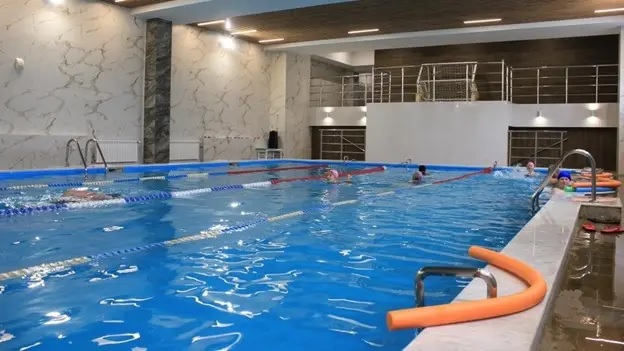
The Uzbek government has approved an administrative regulation aimed at supporting entrepreneurs who invest in the construction and operation of modern swimming pools. This initiative is designed to bolster the tourism sector, enhance sports infrastructure, and stimulate business growth across the country.
Government-backed Subsidy Program Details
Under the new program, entrepreneurs planning to build modern swimming pools can receive subsidies covering up to 50% of the construction and commissioning costs. However, the subsidy amount is capped at 100 million Uzbek soms per project to ensure broad access and effective distribution of funds.
The support applies to the first 100 modern swimming pool facilities commissioned between February 1, 2026, and January 1, 2028. This timeframe sets a clear window for businesses to plan and execute their projects with financial backing from the government.
Applications for subsidies must be submitted to the Tourism Committee via either the State Services Center or the Unified Interactive State Services Portal (YaIDXP). Once the Tourism Committee approves the expense coverage, the subsidy funds are transferred to the applicant’s bank account within 10 business days.
"Modern swimming pools are not only essential for promoting a healthy lifestyle but also serve as a catalyst for regional tourism development, job creation, and profitable business ventures," the government statement emphasized.
Strategic Implications for Businesses and Regional Development
This subsidy program highlights a strategic government effort to diversify local economies by leveraging tourism and sports infrastructure development. For entrepreneurs, the initiative offers an attractive opportunity to enter a growing market with reduced financial risk.
Investment in modern swimming pools aligns with broader goals of improving urban amenities, attracting visitors, and supporting the health and wellness industry. Businesses that capitalize on this scheme stand to gain competitive advantages through government co-financing, accelerating project timelines and potentially increasing profitability.
Moreover, the focus on regional development indicates a push to stimulate economic activity outside major urban centers, fostering new employment opportunities and community engagement.
Entrepreneurs interested in this subsidy should assess market demand, location potential, and operational efficiency to maximize returns while contributing to the country’s tourism and sports sectors.
By facilitating public-private partnerships in infrastructure projects like swimming pools, the Uzbek government is signaling its commitment to sustainable economic growth and diversification.