Uzbekistan’s Business Reset: How a Decade of Reform Recast the Market
Uzbekistan has overhauled tax, licensing and business protections since 2016, reshaping market entry, compliance costs and the wider corporate environment.

Uzbekistan has overhauled tax, licensing and business protections since 2016, reshaping market entry, compliance costs and the wider corporate environment.

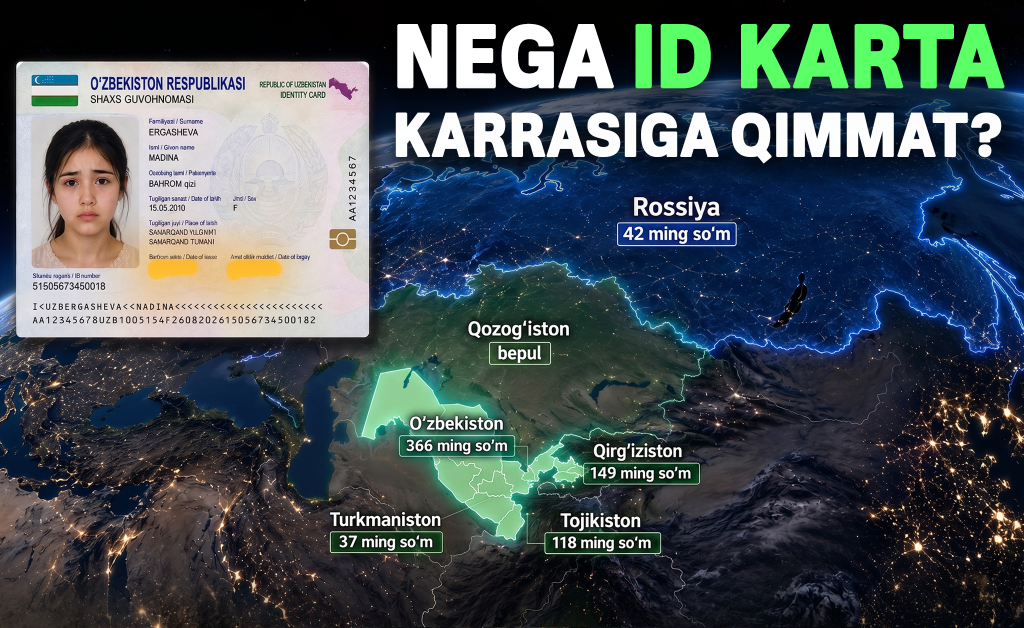
A social-media outcry over Uzbekistan's first ID card fee has widened into a policy test as regional peers charge less or waive first-time issuance.

Uzbekistan’s state announces auction of 100% stake in 'Fonon' jewelry plant, priced at 316.7 billion UZS, amid ongoing financial restructuring and significant debt obligations.

Uzbekistan offers subsidies covering up to 50% of costs for entrepreneurs building modern swimming pools, aiming to boost tourism, sports infrastructure, and regional economic growth.
Uzbekistan launches unified digital platforms and national navigation system while expanding IT sector incentives to enhance competitiveness and digital governance.

Uzbekistan's strategic reforms and digital innovations in water management significantly reduced water stress, positioning it as a model for sustainable resource governance in water-scarce regions.

Uzbek aluminium producer AKFA Aluminium is preparing for its first international bond issuance and IPO to enhance corporate governance and broaden financing sources.

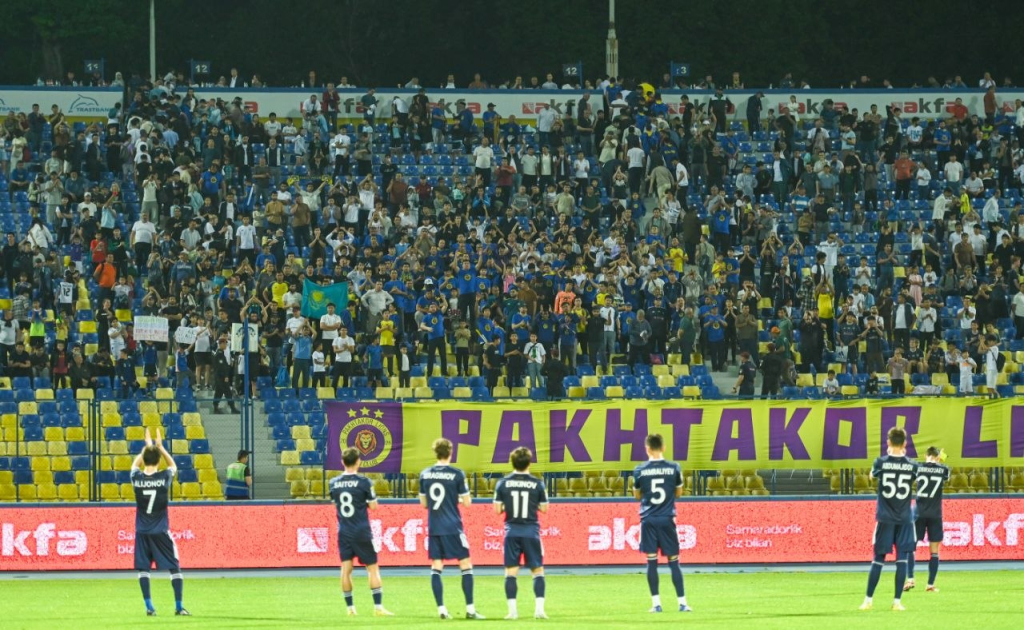
Paxtakor FC reported a 50 billion UZS loss in 2025 with rising tax debts and reduced state funding, challenging the club's financial and competitive strategies under current management.

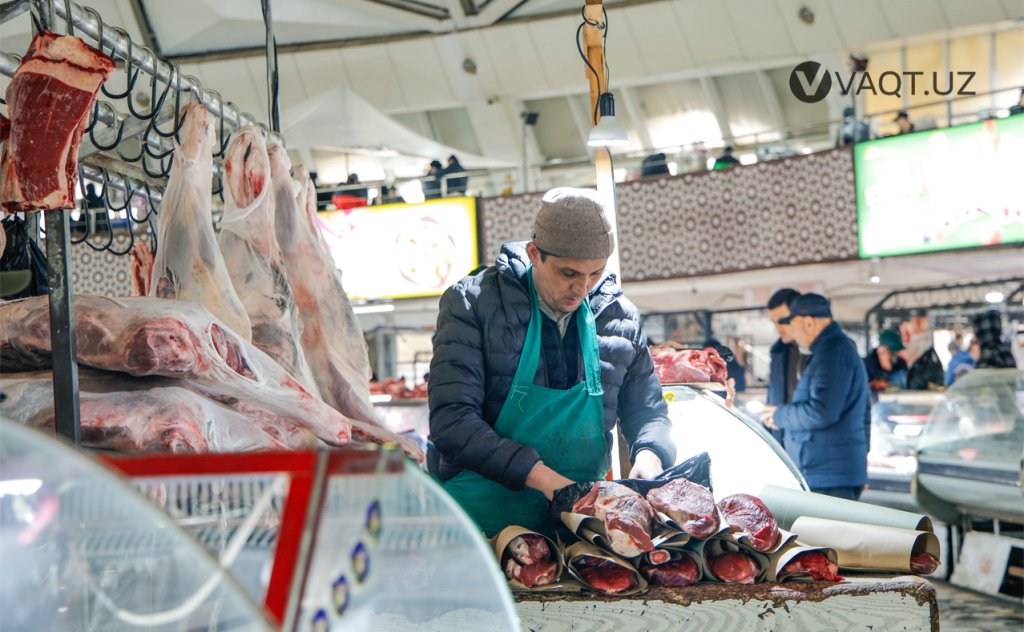
Uzbekistan’s meat imports rose 62.8% in early 2026 amid slowing domestic production and rising global prices, raising concerns about long-term market stability.

Uzbek banks saw a 30.9% deposit growth in Q1 2026, with Octobank leading a surge in corporate deposits, while Milliy Bank and Agrobank maintained top rankings.

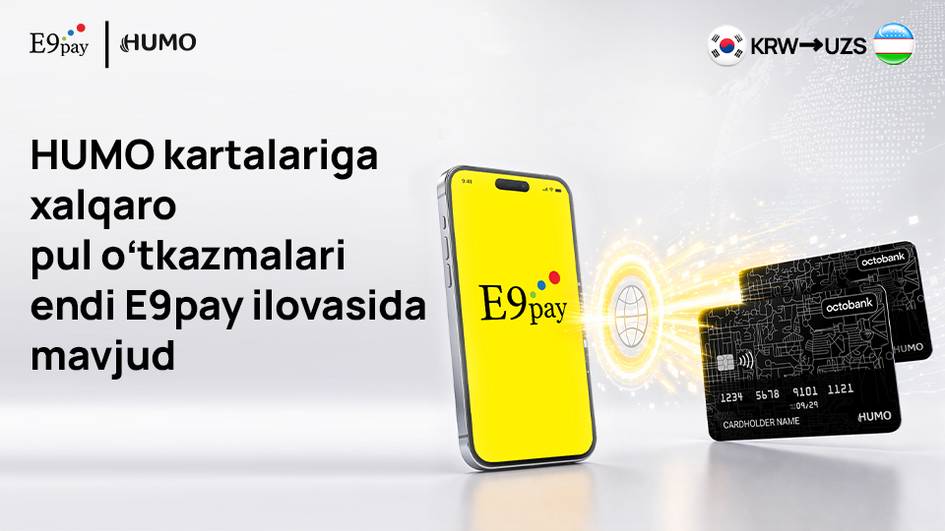
Octobank launches E9PAY-enabled money transfers to South Korean HUMO cards, enhancing cross-border payment options and strengthening international financial services.

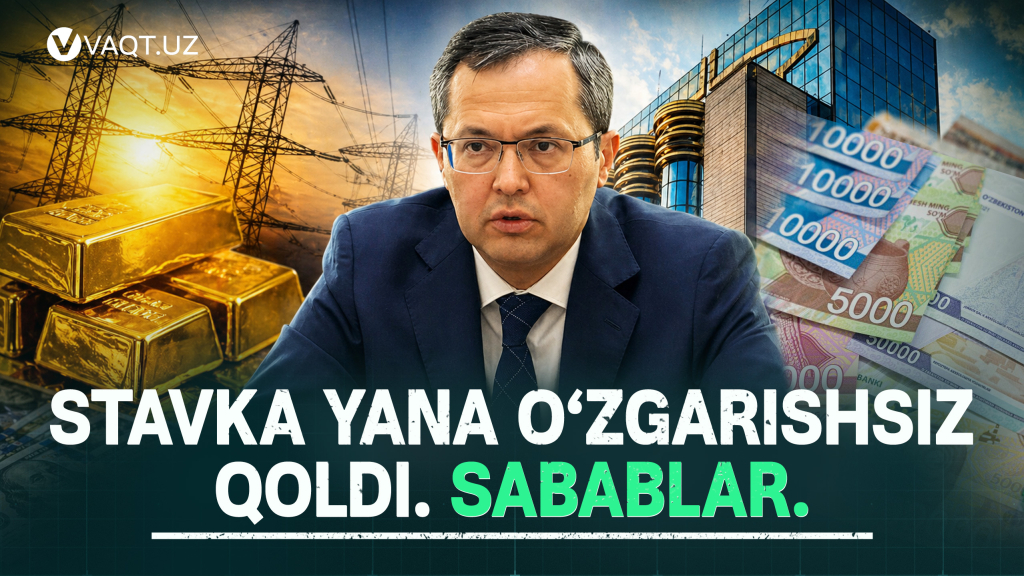
The Central Bank keeps the key interest rate at 14%, balancing declining inflation trends with rising food prices and external economic risks.

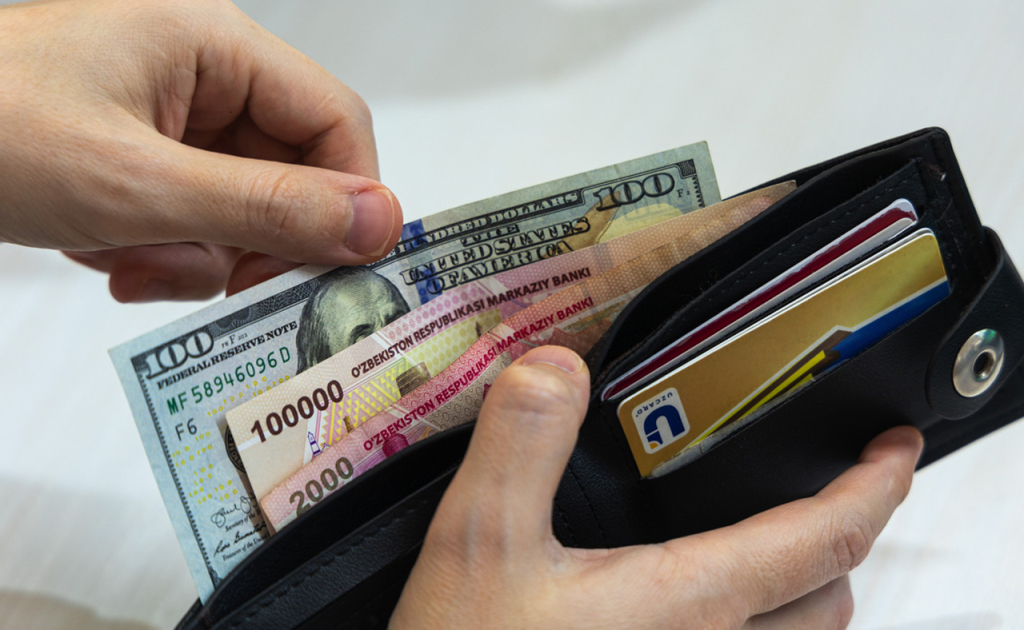
In April, the Uzbekistani som appreciated 1.8% against the dollar, driven by export growth and rising remittances, with expectations for continued exchange rate stability.

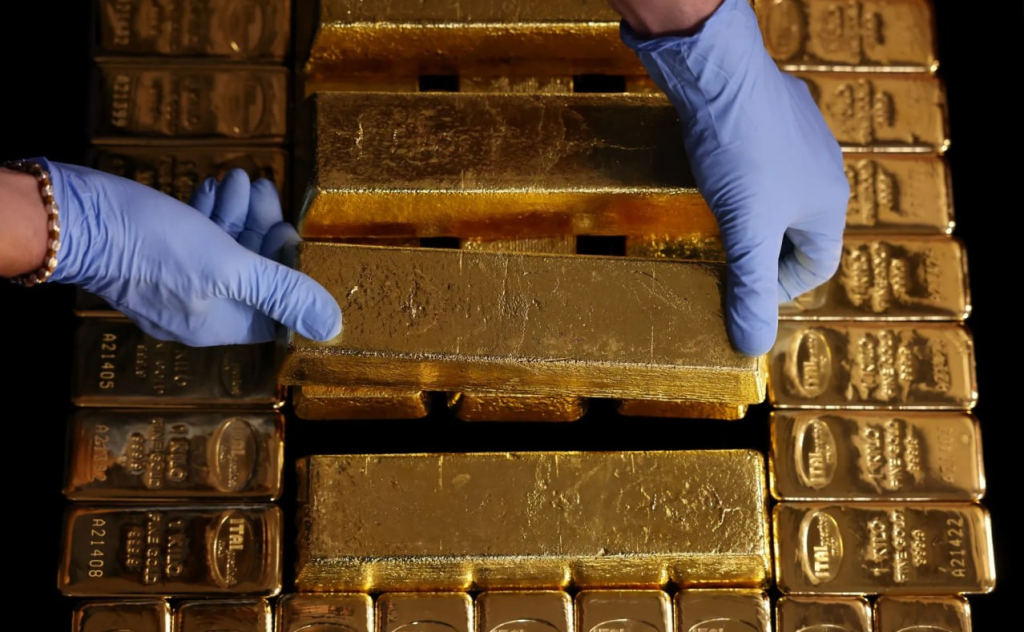
Uzbekistan's halt on gold exports has caused a nearly 30% drop in exports in early 2026, signaling a strategic shift focused on reserve management amid changing trade dynamics.

Paynet leads Uzbek payment firms with a 313.7% profit surge in Q1 2026, driven by strategic acquisition and dividend inflow, while Payme and Click post steady growth.

Uzbekistan’s urban centers see rising divorce rates and declining marriages, signaling critical demographic shifts with wide-ranging social and economic consequences.

Uzbek banks expanded their credit portfolios by 19.3 trillion UZS in Q1 2026, while non-performing loans rose by 1.8 trillion UZS, mainly driven by state-owned banks amid evolving risk challenges.

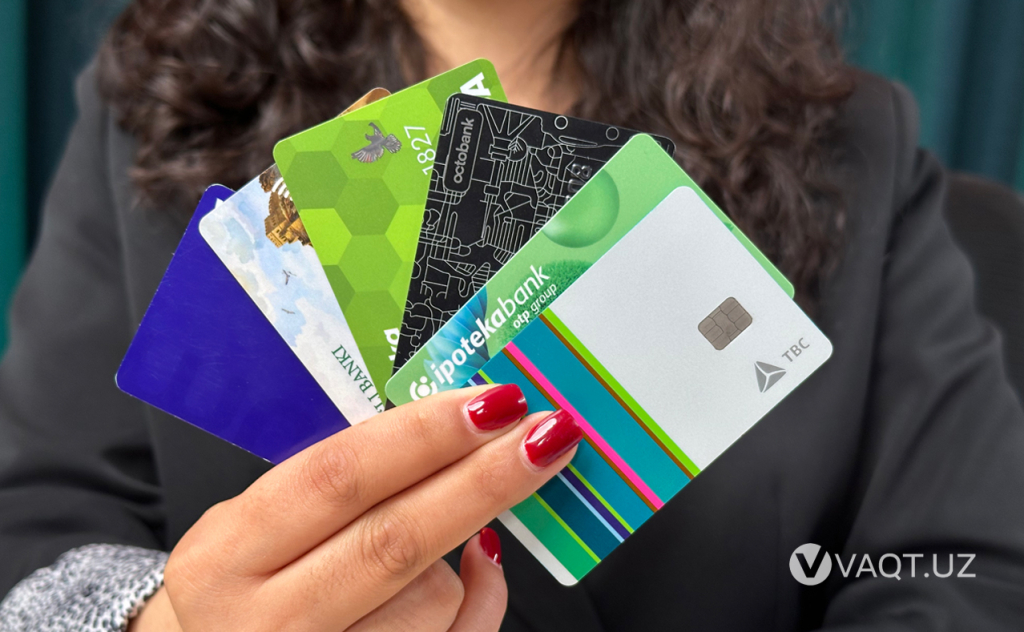
Uzbek banks must now retain a minimum balance of 1.236 million UZS on client cards during automatic debt repayments, preventing complete fund depletion.

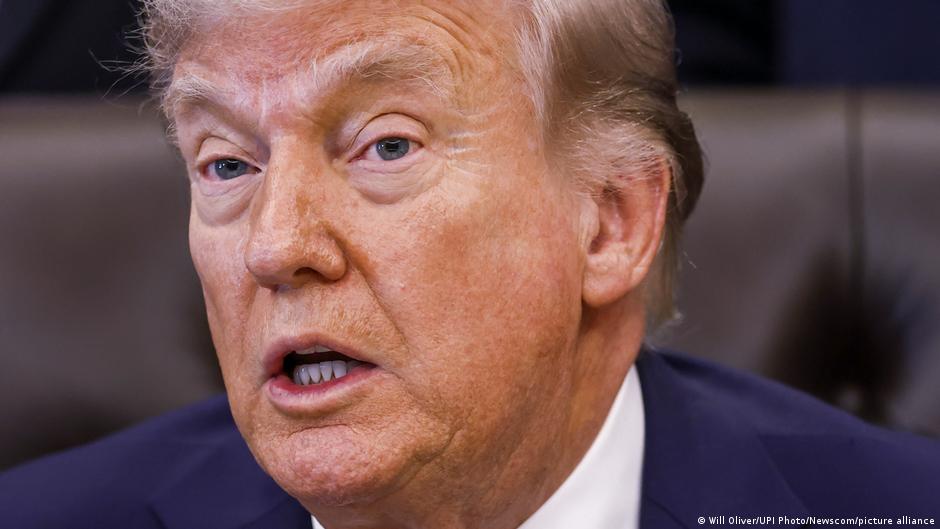
US President Trump sees strategic value in Putin attending the 2026 G20 Miami summit amid ongoing tensions but notes uncertainty about Russia's official invitation and participation.

Uzbekistan's automotive market grew 19% in March with strong sales in new, used, and electric vehicles, driven by both domestic production and imports.

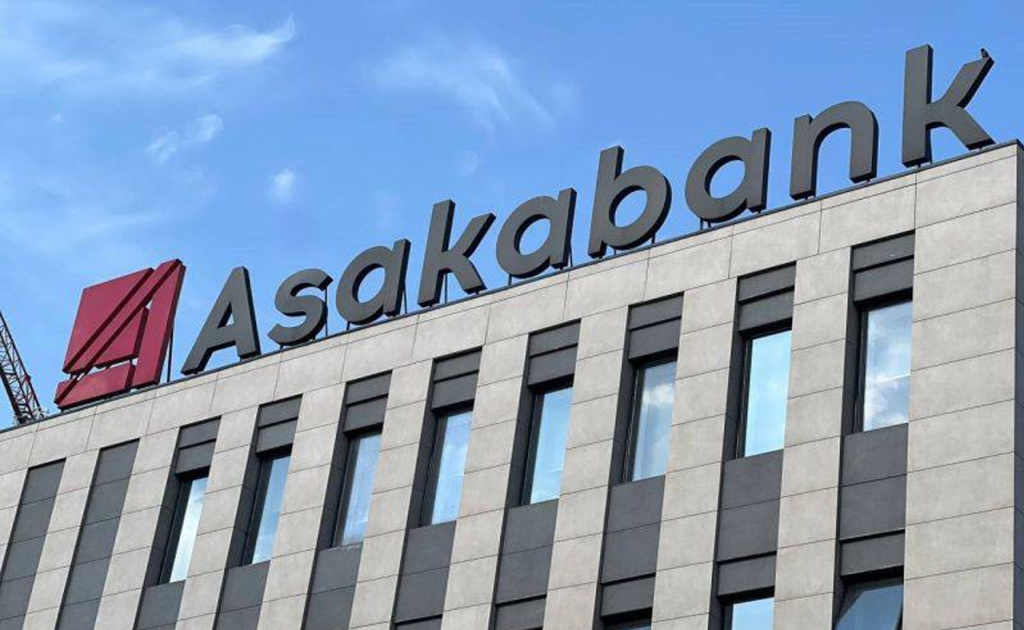
Uzbekistan accelerates Asakabank privatization, transferring assets and securing state capital to enhance the bank's market viability and strategic competitiveness.

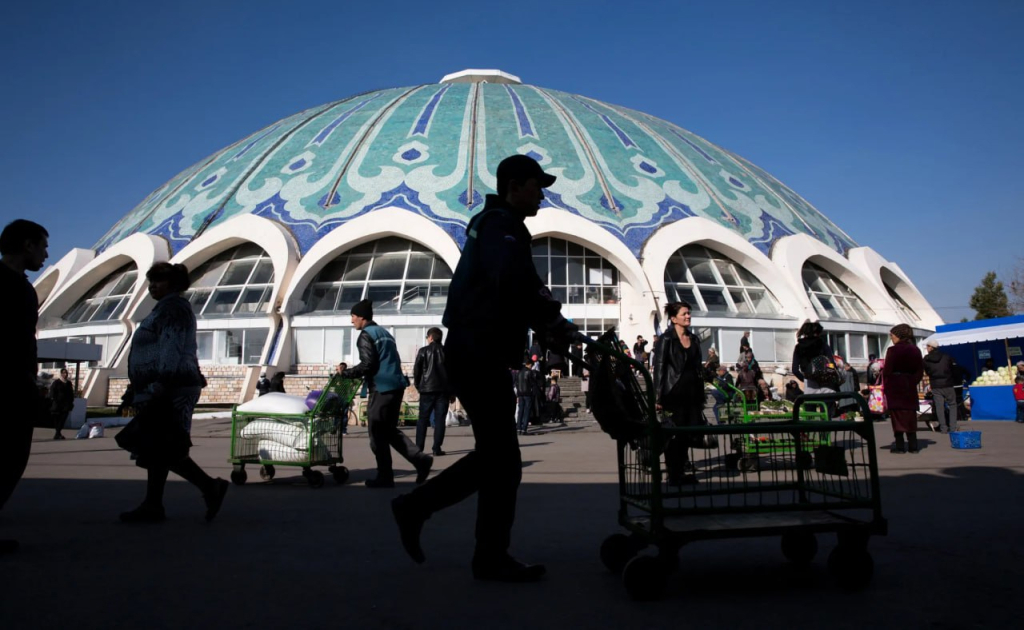
Tashkent’s farmer markets posted strong profit growth in 2025, driven by rising consumer demand and market efficiencies, while some segments face challenges amidst evolving economic dynamics.