Rising Meat Imports in Uzbekistan Signal Strategic Challenges for Domestic Producers
Uzbekistan’s reliance on imported meat has surged by over 60%, highlighting slowing domestic production and increasing costs amid global market pressures.
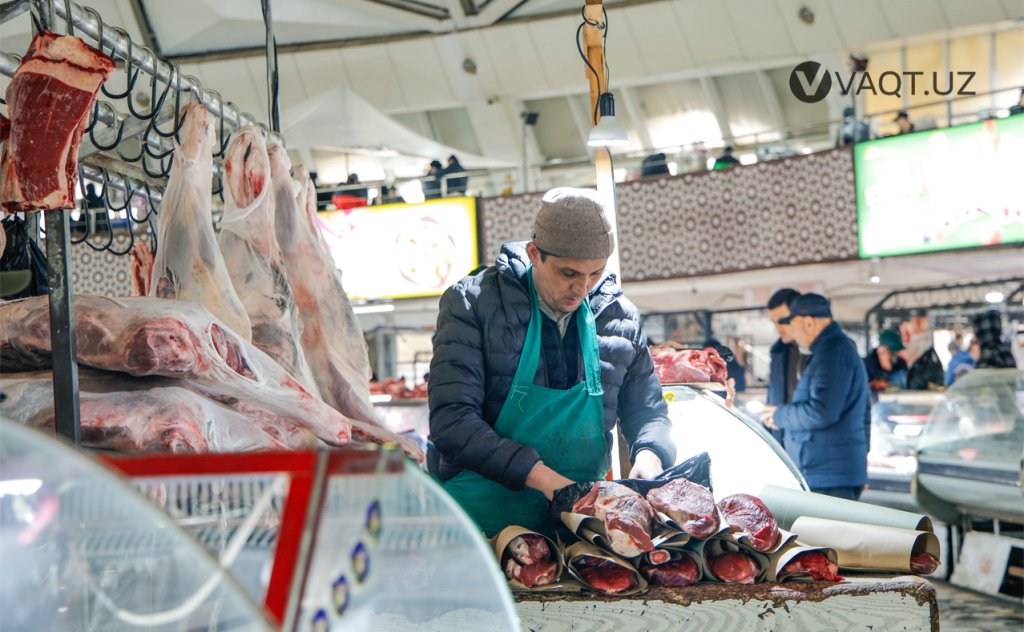
Uzbekistan has witnessed a significant increase in meat imports during the first four months of 2026, importing meat products valued at $320.6 million, marking a 62.8% rise compared to the same period in 2025. This dramatic growth in imports reflects a deceleration in domestic meat production and exposes the country’s growing dependence on costlier foreign supplies.
Import Surge Amid Domestic Production Slowdown
According to recent customs data, the volume of imported meat rose by 36.6% to 98,000 tonnes. Beef remains the most imported meat category at 49,850 tonnes, followed by chicken at 22,700 tonnes. The substantial increase in imports is attributed to a combination of global market instability, logistical challenges, and inflationary pressures.
Import prices have escalated notably. The average price for imported beef increased from $4.07 per kilogram in 2025 to $4.80 in 2026, while lamb prices nearly tripled from $1.03 to $2.87 per kilogram. Chicken imports maintained a relatively stable price around $1.20 per kilogram.
Domestically, meat production grew modestly by 2.9% in the first quarter of 2026, reaching 580,200 tonnes. However, this growth rate is the slowest since 2022, signaling challenges within the national livestock sector. Rising feed costs for livestock have been identified as a primary factor dampening production growth, particularly impacting small-scale and household farming operations, which have reduced meat output.
"Uzbekistan’s increasing dependency on imported meat at higher prices underscores critical vulnerabilities in domestic production and supply chain resilience," said an industry analyst.
Economic and Strategic Implications
The import-driven supply of meat exerts upward pressure on consumer prices. The Central Bank reported that in 2025, beef prices increased by up to 25%, and lamb saw price hikes nearing 27%. By March 2026, year-on-year growth in meat prices remained high, with beef and lamb prices rising over 15%, and lamb prices up by 18.2%. Market prices for meat reached up to 200,000 Uzbek soums in local bazaars and 259,000 soums in supermarkets.
This trend suggests that Uzbek consumers may face even higher meat prices as imports become increasingly expensive. The country's reliance on imports, compounded by sluggish domestic output and global inflationary pressures, poses significant challenges for food security and price stability.
From a corporate strategy perspective, these dynamics highlight opportunities and risks for domestic producers and importers. Meat producers may need to adopt more efficient feed and livestock management practices to counter rising costs and improve output. Simultaneously, importers must navigate fluctuating global prices and supply chain disruptions.
Policymakers are confronted with critical decisions to support the domestic meat industry, possibly through subsidies, investment in feed production, or incentives for small-scale farmers to boost local production. Without strategic intervention, Uzbekistan’s meat market may continue to depend heavily on costly imports, pressuring both consumers and the broader economy.