Uzbekistan Halts Gold Exports for Six Months, Impacting Trade and Reserves Strategy
Gold export suspension leads to nearly 30% drop in Uzbekistan's export volumes amid shifting trade dynamics in early 2026.
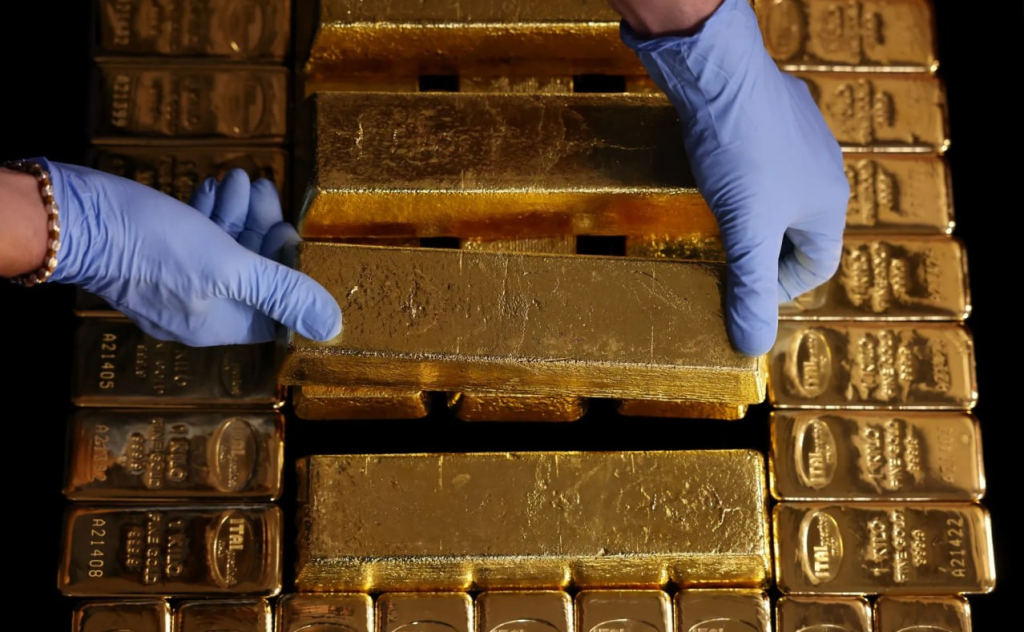
In a notable shift in Uzbekistan's trade landscape, the country has ceased gold exports for over six months, marking a significant strategic decision with broad economic implications. This stoppage has contributed to a sharp 29.3% decline in export volumes during the first quarter of 2026, a trend not seen since early 2023.
Trade Figures Reflect Strategic Realignment
Uzbekistan's total foreign trade turnover in the first quarter of 2026 reached $18 billion, representing a modest 2.7% increase compared to the same period in 2025. However, this masked a stark contrast between export and import trends. Exports fell by nearly 30%, declining to $5.8 billion, while imports surged by 30.8% to $12.2 billion over three months.
This divergence underscores the strategic recalibration in Uzbekistan’s external trade policies and resource management, particularly concerning its gold reserves and export practices.
Gold Export Suspension and Its Implications
The suspension of gold exports, last recorded in September 2025, is a key factor influencing the decline in export revenue. In the first quarter of 2025, gold exports alone accounted for $3.6 billion, contributing significantly to Uzbekistan’s export portfolio.
"The Central Bank explained that halting gold sales is crucial to maintaining high levels of gold reserves, despite the potential short-term impacts on export revenues."
Gold prices in March 2026 experienced a sharp downturn, dropping from nearly $5,300 per ounce to around $4,400 per ounce, making sales less attractive and further supporting the decision to pause exports. The Central Bank emphasized that maintaining robust gold reserves is a strategic priority amid fluctuating global prices.
Shifts in Trade Partnerships and Market Dynamics
China's dominance in Uzbekistan's foreign trade continues to grow, with bilateral trade reaching $4.6 billion in Q1 2026, accounting for roughly one-quarter of total external trade. Russia and Kazakhstan follow as major trading partners, with $3.3 billion and $1.3 billion in trade volumes respectively.
Notably, Uzbekistan reported growth in trade with its top 20 partners compared to 2025, indicating diversified and strengthened commercial relations outside of the gold export sector.
The increase in imports combined with declining exports creates a widening trade deficit, posing challenges for Uzbekistan's trade balance and foreign currency reserves. However, the strategic focus on sustaining gold reserves suggests an emphasis on long-term economic stability over short-term export gains.
Corporate and Economic Strategy Outlook
Uzbekistan’s decision to halt gold exports reflects a nuanced approach to resource management amid volatile commodity markets. By prioritizing reserve accumulation, the Central Bank and government signal a cautious stance aimed at cushioning the economy against external shocks.
For businesses and investors, this policy shift may affect sectors reliant on gold-related exports and prompt reevaluation of supply chains and market strategies. Meanwhile, the growing trade engagement with regional and global partners indicates efforts to diversify the economy and reduce dependence on single-commodity revenues.
As Uzbekistan navigates this transitional period, ongoing monitoring of trade flows, commodity prices, and policy adjustments will be critical for stakeholders interested in the region's corporate and economic landscape.