Uzbek Banks Implement New Limits on Automatic Card Fund Withdrawals to Protect Customers
New regulation mandates banks retain a minimum balance of 1.236 million UZS on client cards during automatic debt repayments.
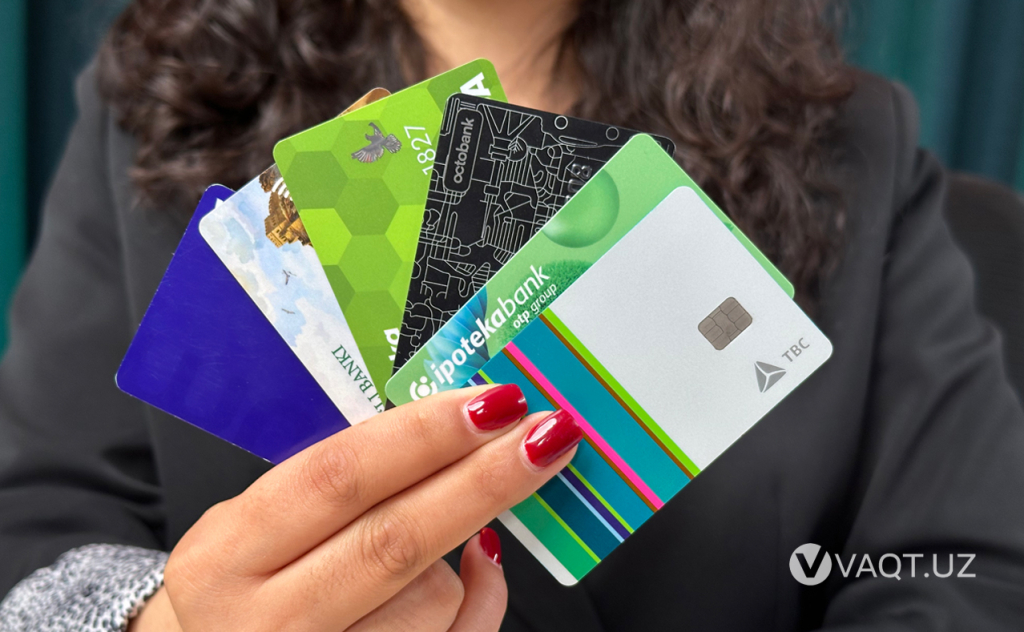
Starting April 15, 2025, banks in Uzbekistan have introduced a significant change in how they manage automatic deductions from customer bank cards, particularly in settling outstanding debts such as loans, installment payments, and microcredits. Under the new regulation, banks are prohibited from depleting clients' card balances below a defined minimum threshold during automatic withdrawals.
Details of the New Automatic Withdrawal Regulation
The new rules, communicated by the Uzcard payment system, specify that banks must maintain a minimum balance equivalent to three times the base calculation amount on customers' cards when deducting funds automatically. Currently, this amount is set at 1,236,000 Uzbekistani soums (UZS).
This means that when banks execute akseptsiz yechib olish — or “non-acceptance withdrawals,” an automated system where funds are withdrawn without individual transaction confirmation — they can only deduct amounts exceeding this minimum balance. Previously, banks could withdraw funds down to a zero balance, potentially leaving customers without accessible funds on their cards.
"Banks will now only withdraw amounts exceeding the minimum balance, preventing complete depletion of card funds even when customers have outstanding debts," Uzcard stated.
The automatic withdrawal mechanism is mainly used to ensure timely repayment of financial obligations without requiring manual approval from customers for each transaction. The new rule preserves a minimum liquidity buffer on clients’ cards, protecting them from total fund exhaustion due to automatic debt servicing.
Impact on Customers and Banks
It is important to note that the limitation applies exclusively to automatic (akseptsiz) withdrawals. Customers retain the ability to transfer or withdraw their full card balance through manual authorization processes, such as one-time code confirmations. Thus, the new regulation does not restrict voluntary transactions initiated directly by the cardholder.
Several banks have already begun notifying their clients about the upcoming changes, integrating the updated protocols at the payment system level to ensure compliance.
From a corporate strategy perspective, this regulatory adaptation reflects a move towards enhanced consumer protection in Uzbekistan’s rapidly evolving banking sector. By safeguarding minimum card balances, financial institutions may improve client trust and reduce the potential reputational risks associated with overdrawing customer accounts.
Competitive and Regulatory Landscape
The adjustment also indicates a tighter regulatory environment governing automatic payment systems, which could influence how banks structure their debt recovery and risk management operations. Maintaining customer funds above a minimum level may limit immediate liquidity extraction but offers long-term benefits by fostering customer goodwill and reducing disputes.
Financial institutions competing in the Uzbek market will likely view this as an impetus to refine their client engagement and debt collection strategies, balancing efficiency with customer-centric service models.
In conclusion, Uzbekistan’s banking sector is aligning automatic withdrawal practices with consumer protection goals by enforcing minimum balance requirements on card accounts. This change, effective from mid-April 2025, marks a strategic shift in managing borrower relationships and operational risk within the country’s financial ecosystem.