US Mediates Extension of Israel-Lebanon Ceasefire Amid Historic Diplomatic Talks
The United States facilitates a three-week extension of the Israel-Lebanon ceasefire and hosts key leaders to advance peace negotiations.
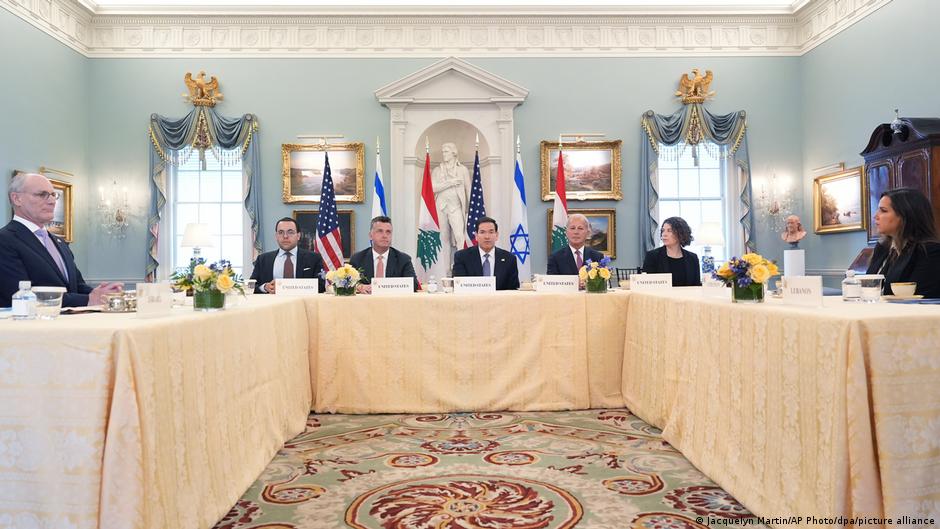
The ceasefire between Israel and Lebanon has been extended for an additional three weeks, announced former US President Donald Trump on April 23 via his social media platform Truth Social. This development follows a series of high-level diplomatic engagements aimed at fostering stability in the region.
Strategic Diplomacy and Leadership Engagement
The extension agreement emerged from a successful meeting involving President Trump, Vice President J.D. Vance, Secretary of State Marco Rubio, US ambassadors to Israel and Lebanon Mike Huckabee and Michelle Issa, alongside senior officials from both Israel and Lebanon. Trump emphasized the United States’ ongoing commitment to support Lebanon in defending itself against the Hezbollah militant group, underscoring Washington's role as a key mediator in this complex geopolitical landscape.
"The meeting was very successful! The United States will collaborate with Lebanon to help protect it from Hezbollah," Trump stated.
In conjunction with the ceasefire extension announcement, Trump expressed anticipation for hosting Israeli Prime Minister Benjamin Netanyahu and Lebanese President Joseph Aoun in the near future, highlighting the significance of these diplomatic overtures. He described his participation in the negotiations as a "great honor," signaling renewed US engagement in Middle Eastern peace processes.
Context of Recent Diplomatic Advances
On April 14, the US capital witnessed the first direct talks between Israeli and Lebanese representatives since 1993. These negotiations, conducted by the two nations' ambassadors in Washington, were hailed by the US State Department as a "historic milestone." The dialogue focused on launching comprehensive peace talks addressing longstanding conflicts, notably disarmament and normalization of bilateral relations.
The Biden administration has publicly committed to supporting both countries through these negotiations, aiming to facilitate a comprehensive peace agreement. This initiative aligns with Israel's recent directive from Prime Minister Netanyahu, issued on April 9, mandating direct negotiations with Lebanon to neutralize Hezbollah, an Iranian-backed radical Islamist group, and to establish peaceful relations between the two neighbors.
Implications for Regional Stability and Corporate Interests
The extension of the ceasefire and the resumption of diplomatic talks represent a pivotal shift in the regional security dynamic, potentially stabilizing cross-border tensions that have long affected economic activities and investor confidence. For corporations operating in or with interests in the Eastern Mediterranean, these developments may signal a more conducive environment for infrastructure, energy, and trade ventures.
Moreover, US involvement in facilitating these talks underscores Washington's strategic interest in mitigating conflict that could disrupt global markets, especially in sectors such as oil and gas. Businesses engaged in maritime logistics and regional supply chains might find new opportunities emerging from sustained peace and cooperation between Israel and Lebanon.
As the ceasefire period is extended and negotiations proceed, corporate leaders and investors will be closely monitoring political and security developments. The prospect of a comprehensive peace accord could unlock new avenues for cross-border partnerships and economic integration in a historically volatile region.