Uzbekistani Som Strengthens Against Dollar in April Amidst Stable Economic Indicators
The Uzbekistani som appreciated by 1.8% against the US dollar in April, reaching a five-month low, supported by strong export growth and rising remittances.
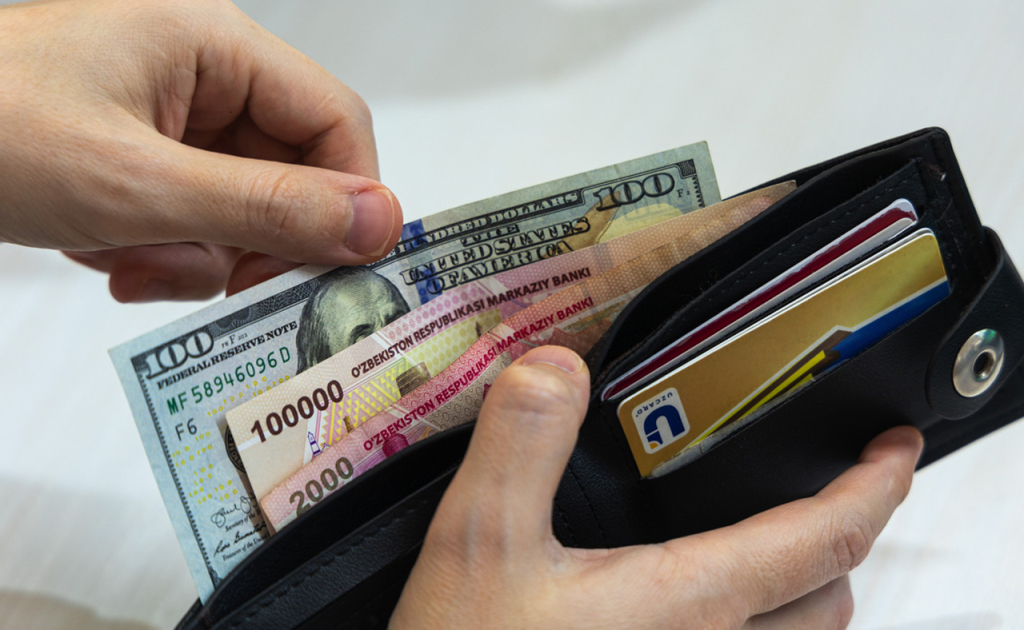
During April, the Uzbekistani som demonstrated a notable appreciation against the US dollar, strengthening by 1.8%. The official exchange rate set on May 1st marked the som at its strongest level in five months, with expectations pointing towards relative stability in the near term.
Market Developments and Contributing Factors
On April 1st, the official exchange rate was 12,194.21 soms per US dollar, but by April 30th, it had strengthened to 11,974 soms. This appreciation trend spanned 22 trading sessions, pushing the som below the 12,000-som threshold for the first time in recent months.
Economist Mirkomil Kholboyev analyzed the April currency movements across a selection of 39 currencies. Only three currencies depreciated against the US dollar over the month, with the Russian ruble exhibiting the strongest appreciation at 8.1%. Other regional currencies such as the Kazakh tenge and Chinese yuan also showed gains of 5.1% and 1% respectively, while major currencies including the euro, British pound, Swiss franc, and Japanese yen experienced moderate strengthening.
The som’s strengthening is attributed to several concurrent economic factors. Notably, the issuance of securities valued at approximately $1 billion in April provided financial market support. Additionally, the key labor market exhibited resilience, contributing to reduced pressure on the currency.
Furthermore, Uzbekistan's export sector, particularly non-gold exports, experienced a robust 25% growth in the first quarter, reinforcing foreign currency inflows. The surge in remittances was another significant factor; foreign remittances rose by over 13% in Q1, amounting to $3.8 billion, which likely increased supply-side pressure on the dollar exchange rate.
Volatility in the som’s value also expanded in April, with daily fluctuations reaching 0.24%, a 33% increase compared to March. Despite this, volatility remains substantially lower than seasonal peaks observed in the May–September period of 2025, indicating a controlled currency environment.
"In upcoming months, significant pressures on the real exchange rate of the som are not anticipated," stated Central Bank Chairman Timur Ishmetov during an April 29 press conference, highlighting expectations for stable currency conditions without abrupt devaluations.
The downward trend for the dollar continued into May, with the official rate on May 1st recorded at 11,937.6 soms per dollar, marking the lowest level since December 3, 2025, and reflecting nearly five months of strengthened som performance.
Strategic Implications for Uzbek Business and Economic Policy
The som’s appreciation carries multiple strategic implications for corporate and economic stakeholders in Uzbekistan. Exporters may face pressure on margins amid a stronger local currency, although the surge in non-gold exports indicates underlying competitiveness. Meanwhile, businesses reliant on dollar-denominated imports might benefit from reduced costs.
From a policy perspective, the Central Bank’s ability to sustain currency stability without significant intervention suggests effective monetary management, which can foster an environment conducive to investment and cross-border trade. The steady rise in remittances also highlights the importance of the diaspora economy in supporting domestic liquidity and consumption.
Looking ahead, monitoring global currency trends, regional geopolitical developments affecting the ruble and tenge, and sustained export growth will be critical for anticipating exchange rate movements. The Central Bank’s cautious outlook on som pressure signals a preference for gradual adjustments rather than abrupt shifts, which aligns with a broader strategy of economic stability and measured growth.