Uzbek Government Accelerates Privatization of Asakabank Amid Strategic Restructuring
Asakabank’s privatization process is expedited with asset transfers and state-led financial support to enhance market competitiveness.
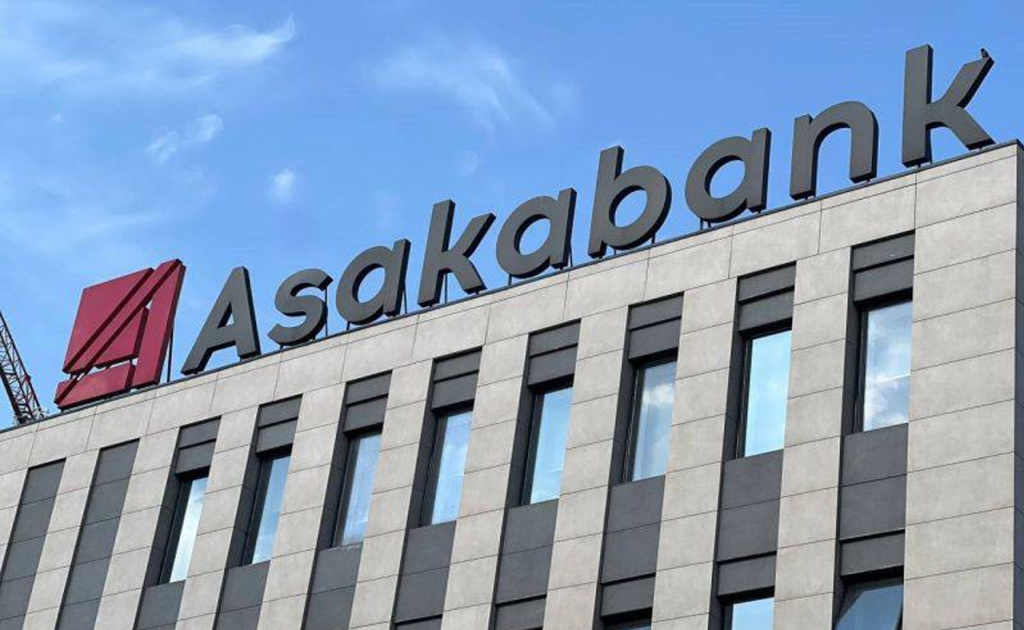
In a decisive move to bolster Uzbekistan’s banking sector efficiency, the government has announced accelerated privatization measures for Asakabank, one of the country’s largest state-owned banks. This initiative is part of a broader strategy to optimize state assets, strengthen financial health, and align banking operations with market principles.
Strategic Asset Realignment and Financial Support
A presidential decree (PQ–149, dated April 20, 2026) outlines comprehensive steps to streamline Asakabank’s operations by ceasing all non-core and additional business activities unrelated to its primary banking functions. This refocusing aims to sharpen the bank’s competitive edge in compliance with modern banking practices and risk management systems.
Significant asset realignment accompanies the privatization efforts. The former property complex of the Tashkent Agricultural Machinery Plant, previously under Asakabank’s control, will be transferred to the State Asset Management Agency. The bank is set to receive compensation from future privatization proceeds to offset the value of these assets.
Additionally, a portfolio of investment projects and equity stakes valued at 382.6 billion Uzbek soms—including enterprises like Yashil Energiya, Uz CLAAS Agro, and Khorezm Invest Project—will also be handed over to the agency under privatization conditions.
In a notable reallocation, pharmaceutical startups collectively worth 780 billion soms, namely Asaka Farm Ventures and Asaka Farm Invest, will transition to the national venture fund managed by the Uzbekistan Venture Capital (UzVC). These entities will receive state budget support to foster innovation in the pharmaceutical sector.
Financial Restructuring and Capital Infusion
To ensure Asakabank’s financial stability during the transition, the government will inject $95 million in capital in 2026. Moreover, it will cover potential losses arising from problematic loans using state resources. Dividend payments for 2024 and 2025 are suspended, with net profits earmarked for reinvestment to strengthen the bank’s capital base.
Reflecting asset quality assessments, discrepancies between the nominal and market values of the bank’s shares will be reconciled by converting nearly 1.98 trillion soms of government debt owed by the bank into additional paid-in capital. This move effectively restructures the bank’s balance sheet to improve its capitalization ahead of privatization.
Privatization Timeline and Broader Sectoral Context
Originally slated for completion by the end of 2023, Asakabank’s privatization deadline has been extended to the end of 2025, following a presidential decree signed on December 27, 2024. This extension aligns with similar postponements for other state banks such as O‘zsanoatqurilishbank (SQB) and Aloqabank, reflecting the complexities of the privatization process.
Previous plans had envisaged the sale of the government’s entire stake in SQB by the end of 2022, with subsequent reductions planned through 2024. However, these timelines were not met, prompting recalibrations in the government’s fiscal strategy announced in July 2025, which deferred privatizations for several banks until 2026–2028.
In May 2024, Uzbekistan’s president signed an agreement with the European Bank for Reconstruction and Development (EBRD) facilitating privatization preparations. The EBRD acquired a 15% stake in Asakabank and is expected to become a shareholder alongside the state in 2026. This partnership underscores international investor confidence and aims to introduce global governance standards.
Long-Term Sectoral Reforms
While Asakabank’s privatization is advancing, certain state-owned banks, including the National Bank, Agrobank, Halk Bank, Microcredit Bank, and Business Development Bank, will continue operating with retained government shares at least through 2030. The government plans to gradually reduce ownership in these institutions, but specific timelines remain undecided.
"The accelerated privatization of Asakabank reflects a strategic effort to enhance operational efficiency and market competitiveness in Uzbekistan’s banking sector," said a banking industry analyst.
The government’s multi-year fiscal strategy balances the urgency of banking reforms with the need for financial stability and investor readiness. Asakabank’s restructuring and privatization will be a critical test case for the sector’s evolution and broader economic liberalization.