Central Bank Maintains Key Interest Rate Amid Inflation and External Risks
Despite easing inflation, food prices and external economic threats prompt the Central Bank to keep the benchmark rate at 14%.
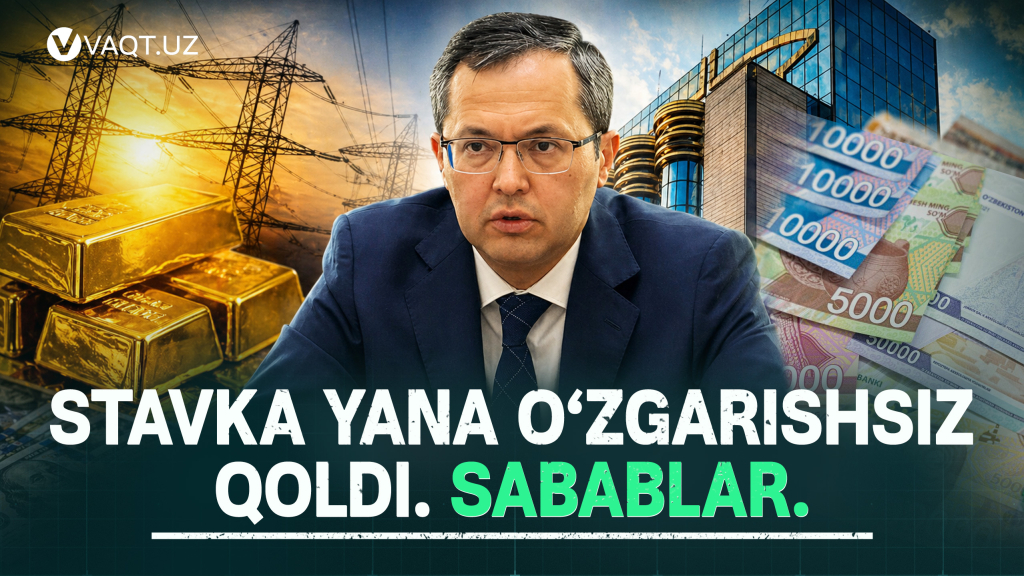
On April 29, the Central Bank's management decided to maintain the key interest rate at an annual level of 14%, reflecting a cautious approach amid ongoing inflation challenges and external economic uncertainties.
Balancing Inflation Trends and Economic Growth
Although headline inflation shows a downward trend—with the annual rate falling to 7.1% in March 2024—persistent price increases in essential food products continue to exert inflationary pressure. This divergence complicates monetary policy decisions, as food prices remain a significant driver of inflationary dynamics affecting household budgets.
"While inflation is decreasing overall, the pace has slowed, and price growth in some sectors is still noticeable," noted Central Bank Chairman Temur Ishmetov during the rate-setting meeting.
The Central Bank emphasized that the decision to hold the rate steady was influenced by these mixed inflation signals, implying that conditions are not yet conducive to rate reductions.
Energy tariffs and utility costs also factor heavily into inflation calculations. Although a tariff indexation of up to 10% was announced at the start of the year, precise figures have yet to be confirmed, adding further uncertainty to inflation forecasting.
On the external front, the International Monetary Fund recently downgraded global economic growth projections and cautioned about sustained inflation risks, particularly linked to fluctuations in energy and food prices. These external factors could impact domestic markets, reinforcing the Central Bank's cautious stance.
Meanwhile, Uzbekistan's economy expanded by 8.7% in the first quarter, surpassing expectations. This robust economic growth may boost domestic demand, increasing inflationary pressure and influencing the Central Bank’s monetary policy decisions.
Strategic Considerations and Policy Outlook
In addition to macroeconomic factors, ongoing privatization efforts of state-owned banks, including Sanoatqurilishbank, Aloqabank, and Asakabank, introduce further complexity into the financial landscape. Although the Central Bank does not directly manage privatization, it participates in assessments and analyses relevant to these transactions.
The regulator maintains a firm commitment to a free-floating exchange rate policy, prioritizing the avoidance of artificial interventions in currency markets to preserve market-driven dynamics.
Looking ahead, the Central Bank underlines that the trajectory of inflation and associated risks will be decisive in future policy adjustments. Should inflationary pressures ease sustainably, a reduction in the key interest rate could be considered. Conversely, renewed inflationary risks might necessitate a tightening of monetary conditions.
This strategy reflects a measured approach to balancing inflation control with supporting economic growth and financial stability in a complex and evolving economic environment.