EU Launches First Negotiation Cluster for Ukraine and Moldova’s Accession Process
The European Union advances from preparatory phase to substantive talks on conditions for Ukraine and Moldova’s membership.
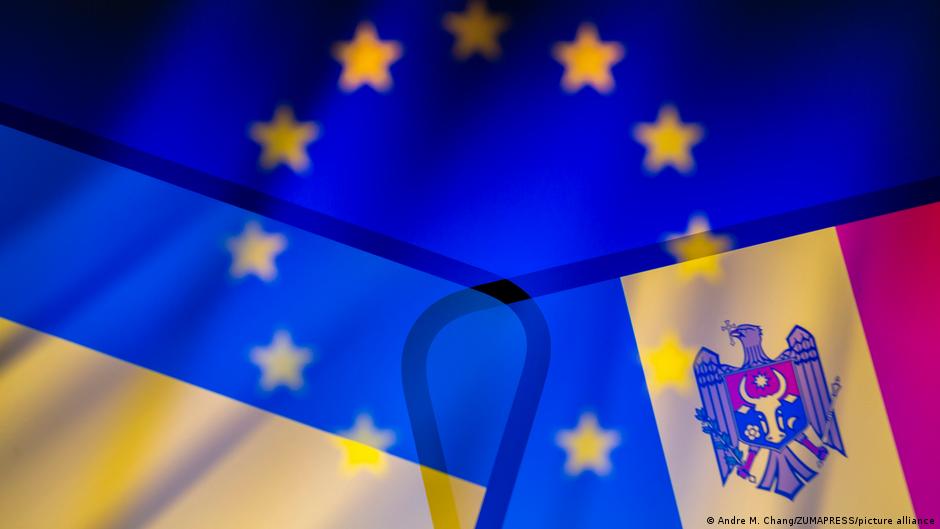
The European Union has officially initiated the first negotiation cluster concerning the accession of Ukraine and Moldova, marking a significant step forward from preliminary assessments to detailed discussions on membership conditions.
On Monday, June 15, EU foreign ministers convened in Luxembourg to open the initial negotiation cluster as part of a structured accession dialogue. This development was confirmed by diplomats from Cyprus, the current presidency of the EU Council.
Marilena Raouna, Cyprus’s Deputy Minister for European Affairs, emphasized the importance of this milestone:
"We have all awaited this day for a long time, and today we can finally celebrate. The future of Ukraine and its citizens is closely linked with the European Union."
Structured Accession Talks and Strategic Implications
The accession negotiations are organized into six thematic clusters, each encompassing critical sectors of legislation and public policy. These clusters serve as frameworks for the EU to assess candidate countries’ readiness to adopt EU rules and standards.
The launch of the first cluster signifies a transition from general preparatory work to in-depth evaluations of Ukraine and Moldova’s compliance with EU norms. This involves rigorous scrutiny of national laws and the implementation of reforms across specific domains.
For business leaders and policymakers, this phase presents both opportunities and challenges. Aligning with EU regulations requires comprehensive adjustments in governance, legal frameworks, and economic policies, directly influencing market dynamics within these countries.
From a strategic perspective, advancing these negotiations underscores the EU’s commitment to integrating Eastern European neighbors, potentially reshaping regional economic ties and competitive landscapes. Companies operating in or with Ukraine and Moldova should anticipate gradual regulatory harmonization impacting trade, investment, and operational standards.
Moreover, the structured negotiation approach allows stakeholders to monitor progress sector by sector, facilitating targeted reforms and strategic corporate planning. The ongoing dialogue will likely influence future mergers and acquisitions as legal environments evolve to align with EU directives.
In sum, the opening of the first negotiation cluster is a pivotal development in the EU’s enlargement strategy, signaling a move towards deeper integration and increased regulatory certainty for Ukraine and Moldova’s business environments.