Hungarian Parliament Limits Prime Minister Tenure, Blocking Viktor Orban's Return
New constitutional amendment restricts prime ministerial terms to two four-year periods, reshaping Hungary's political and business landscape.
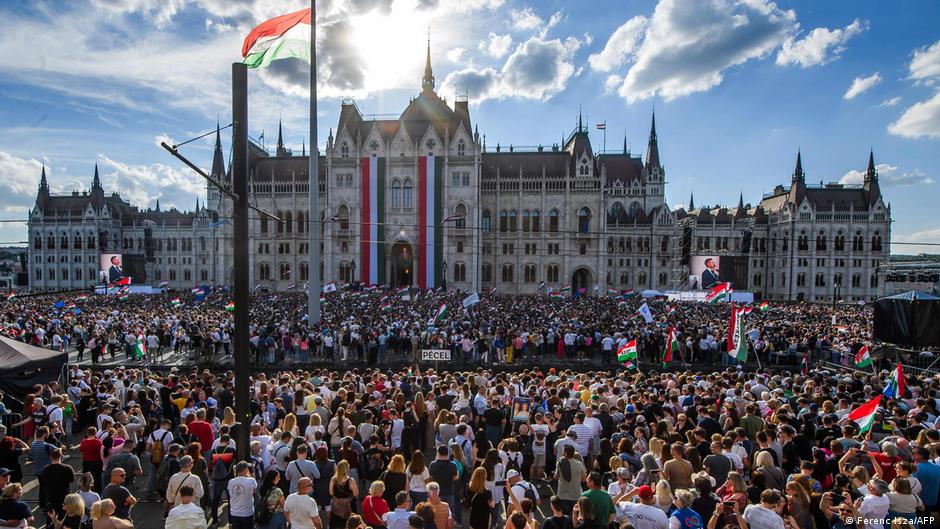
In a significant shift for Hungary's political framework, the Hungarian Parliament has passed a constitutional amendment limiting the tenure of the prime minister to two four-year terms. This development effectively bars former Prime Minister Viktor Orban from returning to office, marking a critical turning point in the country's governance and potentially its corporate strategy environment.
Strategic Implications of the Term Limits
The amendment was approved on June 15 with 134 deputies voting in favor, 50 against, and six abstentions. It applies retroactively to all individuals who have held the position since 1990, directly impacting Orban, who served five terms. This constitutional change was a key campaign promise of Peter Magyar, the newly elected Prime Minister following the parliamentary elections on April 12.
"Limiting the prime minister's terms is intended to prevent the concentration of excessive power in a single individual's hands," Magyar stated during his campaign.
The legislative move signals a strategic recalibration of governance dynamics in Hungary. For businesses and investors, the change introduces a new era of political leadership turnover, potentially affecting policy continuity and regulatory approaches that have been closely associated with Orban's administration.
Orban's party, Fidesz, opposed the amendment, while Magyar's party, Tisa, supported it, highlighting a clear political and strategic divide. The decision reflects a broader effort to balance power among Hungary's political actors and may encourage more competitive and transparent governance structures.
From a corporate strategy perspective, this political shift could lead to changes in state-business relations, regulatory frameworks, and economic policies, as new leadership may pursue different priorities. Companies operating in Hungary should monitor these developments closely, as shifts in leadership often correlate with strategic realignments in government intervention and market regulation.
Moreover, the amendment sets a precedent that may influence political stability and investor confidence. The assurance that no single leader can dominate the premiership indefinitely might foster a more predictable political environment, albeit with the potential for increased policy shifts with each leadership change.
In summary, the Hungarian Parliament's decision to limit prime ministerial terms reflects an intentional strategy to decentralize political power and may have widespread implications for the nation's competitive landscape and business environment.