US Announces Historic Agreement for Hamas Disarmament Amid Gaza Conflict Resolution Efforts
President Trump declares a landmark deal for the full disarmament of Hamas, setting the stage for new governance in Gaza and regional stability.
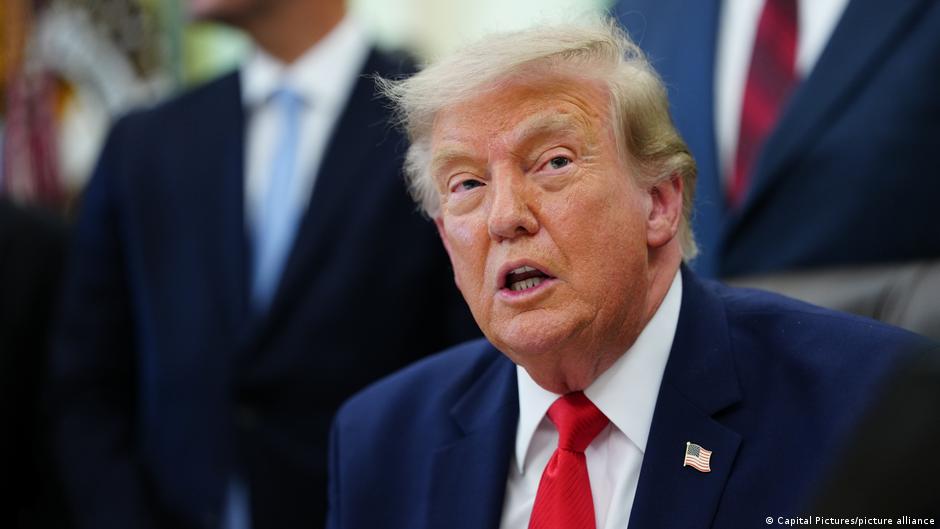
On July 20, US President Donald Trump announced what he described as a "historic agreement" for the full disarmament of Hamas, the Palestinian Islamist group controlling the Gaza Strip. This development marks a significant milestone in efforts to establish lasting peace and a new political framework in Gaza.
Strategic Implications of the Disarmament Agreement
President Trump emphasized that the agreement, reached by the US-led Peace Council, involves the complete disarmament of Hamas and all other armed factions in Gaza. He hailed the deal as a "major step toward durable peace and security," highlighting the pivotal role played by mediators from Egypt, Qatar, and Turkey in facilitating the negotiations.
"Today the Peace Council reached a historic agreement on the full disarmament of Hamas and all other armed groups in Gaza. This is a huge step towards lasting peace and security," Trump stated on his platform, Truth Social.
The disarmament is planned to be implemented in phases, reflecting the complex security and political dynamics in the region. High-ranking Hamas officials have confirmed the agreement with the US, although Israel has yet to provide an official comment on the deal.
According to multiple sources, talks concerning the second phase of the US plan—which includes the partial withdrawal of Israeli military forces from Gaza—have been ongoing in Egypt for several weeks. The plan envisions transferring administrative control of Gaza to a Palestinian technocratic committee overseen by the US Peace Council after hostilities cease.
Israel has consistently insisted on Hamas’ disarmament as a precondition for de-escalation, framing it as essential for ensuring Israeli security and preventing future attacks.
Context: Conflict Escalation and Humanitarian Impact
The agreement follows a period of intense conflict initiated on October 7, 2023, when Hamas launched a large-scale attack against Israel involving massive rocket barrages and incursions, resulting in approximately 1,200 Israeli civilian and military casualties. The assault also included the capture of around 250 hostages, some of whom have been released or exchanged, while others tragically perished.
In response, Israel declared war on Hamas and conducted extensive ground and aerial operations in Gaza. The Gaza Health Ministry, controlled by Hamas, reports over 71,000 deaths during the conflict, though these figures lack independent verification and clarity regarding the composition of casualties, including combatants and civilians.
This backdrop underscores the significance of the disarmament agreement, which could pivot the region away from ongoing violence toward political stabilization and reconstruction efforts.
Business and Geopolitical Analysis
From a corporate strategy perspective, the agreement could alter the security landscape in ways that affect regional markets, infrastructure investments, and international business operations. Stability in Gaza may encourage foreign direct investment and enable reconstruction funding, potentially benefiting companies involved in construction, telecommunications, and energy sectors.
Moreover, the phased withdrawal of Israeli forces and the establishment of a technocratic governance model may open new avenues for diplomatic engagement and international partnerships, particularly with nations active in mediation such as Egypt, Qatar, and Turkey.
However, the success of this agreement hinges on effective implementation and sustained political will from all parties involved. Investors and multinational corporations will be closely monitoring developments, as any resurgence of hostilities could undermine economic prospects and regional integration.
In summary, while the announcement marks a hopeful turning point, cautious optimism is warranted given the complexities of the Gaza conflict and the historic challenges in achieving durable peace.