Belarus Orders Unproductive Agricultural Workers to Military Service Amid Harvest Challenges
President Lukashenko mandates military deployment for undisciplined farm laborers to enforce productivity during critical harvest period.
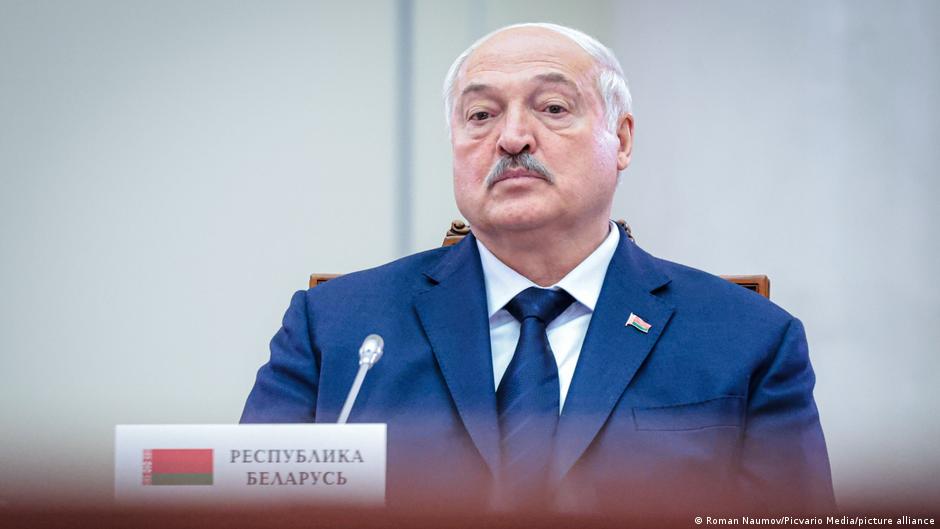
In a directive issued in late July, Belarusian President Alexander Lukashenko ordered the transfer of underperforming agricultural workers to military service as part of a stringent effort to secure the national harvest. This controversial decision, framed as a measure to enforce labor discipline, has significant implications for the country's agricultural management and workforce strategy.
Strategic Shift in Agricultural Workforce Management
Facing mounting pressure to ensure a successful harvest, Lukashenko announced on July 21 that workers who fail to meet productivity standards during the critical harvest season would be reassigned to so-called military-educational duties. The president clarified that the intent is not punitive or punitive humiliation but rather an opportunity for these workers to engage in alternative forms of disciplined labor.
"If you cannot work properly on this job, we will test you on another—normal male and female work—in the army," Lukashenko remarked during a working visit to the Brest region. He emphasized that this reassignment is a chance for individuals to demonstrate their capabilities in a different, physically demanding environment.
"This is not about mistreatment of people but about giving them a chance to show themselves through hard, disciplined labor," Lukashenko stated.
The decree reflects a broader priority on stringent labor and technological discipline across all levels of Belarusian agriculture. The government views enhanced workforce discipline as essential to improving productivity and achieving national agricultural goals.
Implementation and Operational Details
Following the president's order, Dmitry Krutoy, head of Lukashenko's administration, elaborated on the operational aspects of this initiative. According to Krutoy, the reassigned workers would undergo military service lasting two to three months under a "mobilization regime" designed to rectify poor work habits.
"Those who are lazy, negligent, drunkards, or slackers will be sent to the Ministry of Defense," Krutoy specified. The conditions of service will be deliberately austere, with the intent not only to discipline but also to improve physical fitness and work ethic.
This approach signals a rigid crackdown on labor indiscipline in an agriculturally sensitive year and demonstrates the government's willingness to merge military structures with civil workforce management to enforce productivity.
Implications for Belarusian Agriculture and Workforce
From a business and strategic management perspective, this move illustrates the Belarusian government's authoritarian approach to workforce challenges within critical sectors. While aiming to boost harvest yields, the policy risks alienating laborers and could disrupt agricultural production if not carefully managed.
Integrating military discipline into civil labor may create operational inefficiencies and morale issues, raising questions about long-term sustainability. However, it also reflects a calculated effort to address systemic labor shortfalls amid geopolitical and economic pressures.
As Belarus navigates complex internal and external challenges, this strict labor enforcement mechanism highlights the government's prioritization of agricultural output and workforce control as pillars of national stability.