Russia Simplifies Citizenship Process for Residents of Unrecognized Transnistria Region
President Putin signs decree easing Russian citizenship requirements for residents of Transnistria, impacting geopolitical and corporate dynamics in the region.
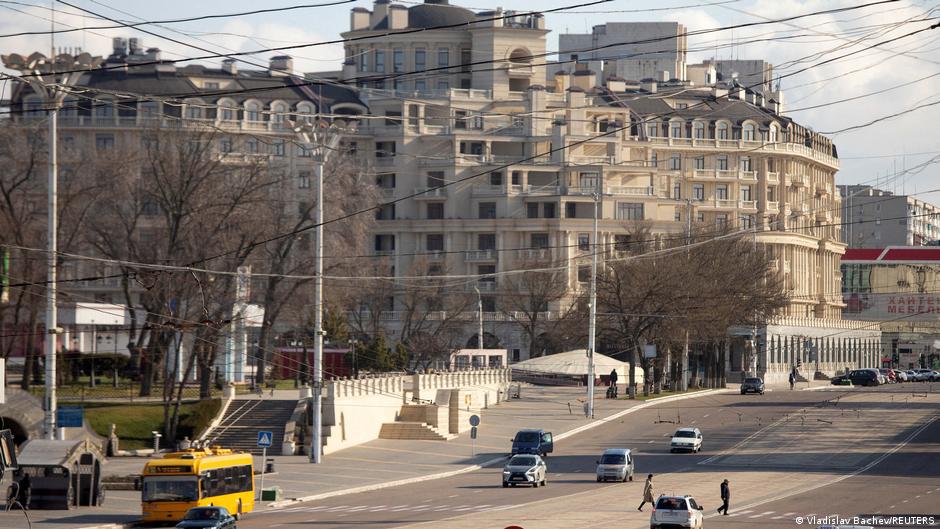
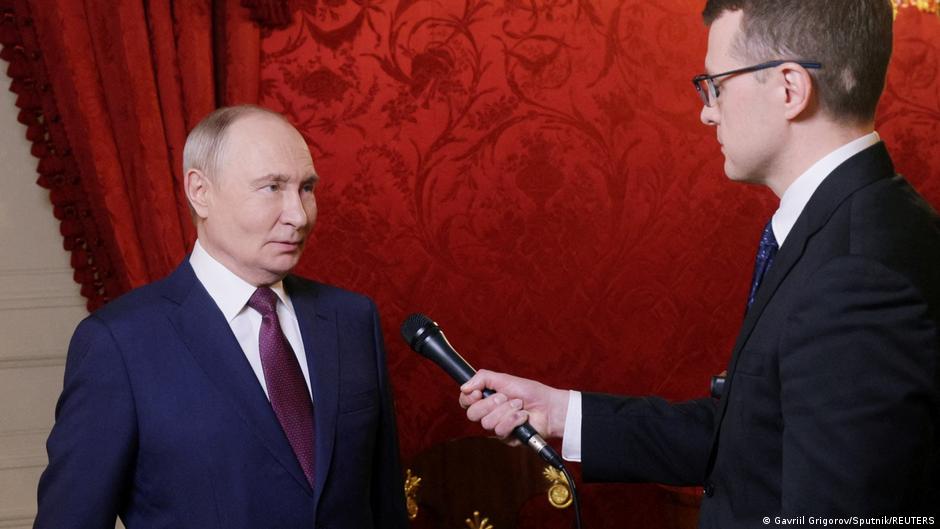
In a strategic move with significant geopolitical and corporate implications, Russian President Vladimir Putin has signed a decree simplifying the process of obtaining Russian citizenship for residents of the unrecognized Pridnestrovian Moldavian Republic (Transnistria). The new regulations remove the obligation for applicants to pass exams in the Russian language and Russian history, which previously served as key requirements.
Streamlined Citizenship and Regional Implications
The decree, published on Russia’s official legal information portal on May 15, 2024, allows all adult residents of Transnistria to apply for Russian citizenship without additional prerequisites. Furthermore, Russian passports will now be issued to orphaned children in Transnistria based on guardians’ applications.
Transnistria, a breakaway region on the left bank of the Dniester River, declared independence from Moldova in 1990 but remains unrecognized by any United Nations member state. The region hosts a contingent of Russian troops officially designated as an operational group.
"This simplification is poised to deepen Russia's socio-political integration with Transnistria, influencing both regional stability and corporate governance within this contested territory."
With an estimated population of around 470,000, more than 220,000 residents reportedly already hold Russian citizenship, according to Russian Security Council Secretary Sergei Shoigu's statements in April 2024. This demographic shift bolsters Russia's leverage over the region, which has implications not only for state governance but also for business operations and investment climates.
Corporate and Strategic Business Considerations
The decree's immediate effect on the competitive landscape involves market access and regulatory environments. Russian citizenship facilitates easier mobility and legal rights for local entrepreneurs and business professionals, potentially encouraging increased Russian corporate presence and investments in Transnistria.
By lowering citizenship barriers, Russian businesses might find a more robust foothold in Transnistria, gaining access to a population with privileged status under Russian law. This shift could accelerate mergers, acquisitions, and joint ventures involving Russian entities, while also impacting Moldova's economic influence in the region.
Moreover, Russian state-owned and private companies could capitalize on the increased integration to expand infrastructure projects, energy operations, and financial services in Transnistria, leveraging legal certainty and workforce nationality advantages.
However, the unresolved international status of Transnistria poses ongoing risks for foreign investors and multinational corporations, who must weigh geopolitical stability and sanctions considerations amid evolving Russo-Moldovan relations.
Long-Term Outlook
From a strategic standpoint, Russia's citizenship facilitation aligns with a broader policy to consolidate influence within post-Soviet spaces, securing loyalty and extending political and economic control. For businesses, understanding these developments is critical for navigating the complex regulatory and geopolitical terrain of the region.
As Moscow tightens ties with Transnistria, market participants should monitor regulatory changes, shifts in governance, and infrastructure investments that could redefine competitive dynamics and reshape regional economic corridors.