US-China Talks Reveal No Progress on Hong Kong Media Mogul Jimmy Lai’s Imprisonment
Donald Trump reports lack of optimism after discussing Jimmy Lai’s 20-year sentence with Xi Jinping amid tense US-China relations.
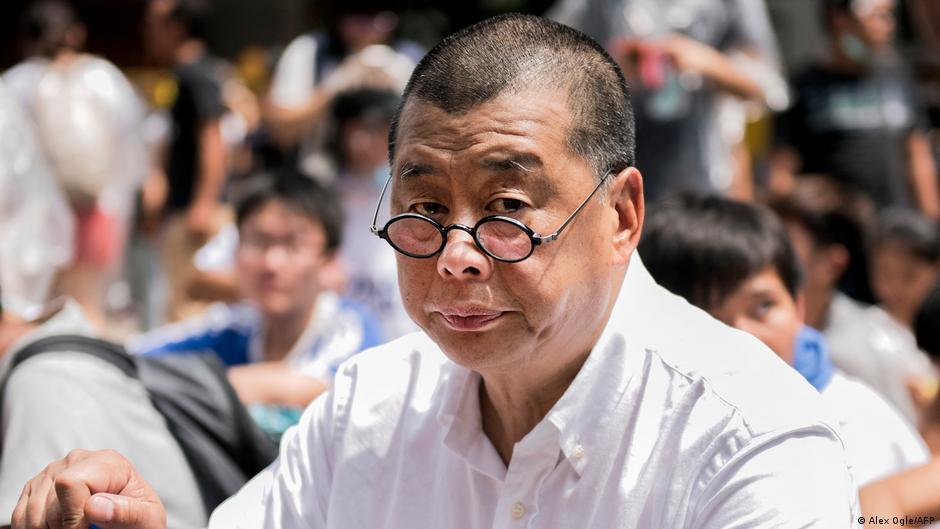
In a recent development highlighting the complex interplay between geopolitics and corporate freedoms, former US President Donald Trump disclosed that Chinese authorities have no plans to release Hong Kong media magnate Jimmy Lai from prison. Lai, who was sentenced to 20 years for charges including inciting rebellion and colluding with foreign forces, remains a focal point in US-China diplomatic discussions.
Corporate Strategy Amid Political Repression
Jimmy Lai, founder of Next Digital, a pro-democracy media company in Hong Kong, was a prominent supporter of the 2019 protests advocating for democratic reforms. His conviction and lengthy prison sentence underscore the intensified regulatory and political pressures faced by independent media companies operating under China's jurisdiction. Lai’s case signals a challenging environment for corporate leaders who navigate politically sensitive issues in regions under authoritarian influence.
During a flight from China, Trump shared with reporters that he personally raised Lai’s situation in talks with Chinese President Xi Jinping. However, he noted the response was "not the most positive" and refrained from expressing optimism for Lai’s release. This stance reflects Beijing’s firm approach to dissent and its broader policy of suppressing entities deemed threatening to the Communist Party’s control.
“The reaction on Jimmy Lai’s case was not the most positive. I did not feel optimistic,” Trump said, indicating the difficulty of the issue from China's perspective.
Implications for Business and International Relations
The Lai case exemplifies how political risks can profoundly impact media enterprises and foreign relations. Lai spent nearly 2,000 days in solitary confinement before his sentencing, which has reverberated through international media circles and human rights advocacy groups alike. German broadcaster Deutsche Welle awarded Lai its Freedom of Speech prize in April 2026, recognizing his unwavering commitment to democratic values despite severe repercussions.
From a business lens, Lai’s imprisonment sends a cautionary signal to multinational corporations and investors considering operations in Hong Kong and mainland China. The legal and political landscape can swiftly shift, imposing significant risks on companies involved in sensitive sectors such as media and technology. Furthermore, it raises questions about the efficacy of corporate governance in crisis scenarios where political interference is prevalent.
For US-China relations, Lai’s case remains a contentious issue that complicates dialogue on trade, investment, and human rights. The lack of progress in securing his release may exacerbate tensions and influence future negotiations on bilateral agreements.
Conclusion
Jimmy Lai’s ongoing imprisonment is emblematic of the broader challenges facing media companies in politically restrictive environments. It also underscores the strategic dilemmas for corporations and governments balancing economic interests with advocacy for democratic principles. As US-China dynamics evolve, Lai’s case will likely continue to be a barometer of both political will and business risk in the region.