EU Signals Tougher Russia Strategy After G20 Encounter With Lavrov
Kaja Kallas said Moscow showed no readiness for Ukraine peace talks, reinforcing Europe’s strategy of pressure and limited engagement.
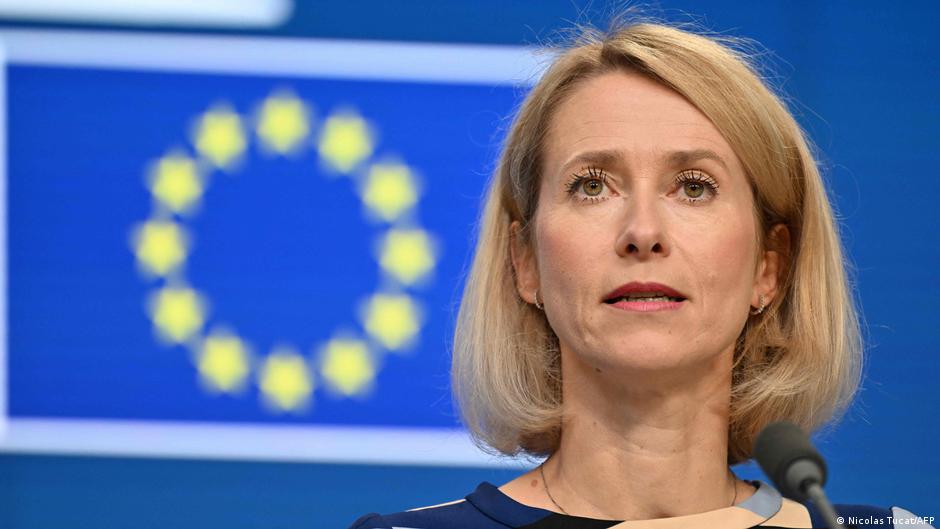
European Union foreign policy chief Kaja Kallas said Russian Foreign Minister Sergey Lavrov gave no indication that Moscow was prepared to enter meaningful peace negotiations over Ukraine during a meeting of G20 foreign ministers in Atlanta, underscoring the widening strategic divide between Russia and its European counterparts.
Speaking on Friday, October 30, Kallas rejected the suggestion that Lavrov had signaled any willingness to make concessions aimed at ending the war. Asked by an AFP journalist whether the Russian minister had demonstrated such readiness, she answered in the negative and argued that Moscow’s conduct remained more important than its public messaging.
“Even if they claimed otherwise in words, their actions say something else,” Kallas said.
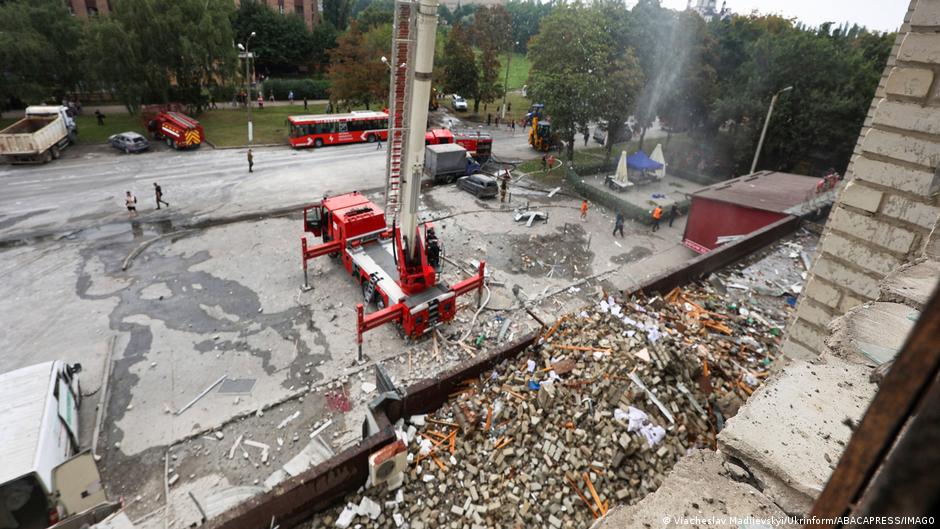
She said Russia must demonstrate through concrete actions that it is prepared to negotiate. Kallas also pointed to the civilian cost of the conflict, saying July, August and September had been the deadliest months for Ukrainian civilians.
The remarks indicate that the EU’s approach remains centered on testing Russian statements against observable behavior rather than treating diplomatic participation as evidence of a change in policy. For European governments, that distinction shapes decisions about sanctions, political engagement and the level of pressure applied to Moscow.
Pressure Remains Europe’s Core Strategic Instrument
Kallas called for increased pressure on Russia, suggesting that European policymakers see little justification for easing their current stance. Her comments also showed that participation in multilateral forums such as the G20 does not, in the EU’s assessment, amount to a return to normalized relations or an opening for negotiations on its own.
She accused Lavrov of presenting false and distorted information during the meeting, saying European representatives were subsequently able to rebut his claims. Kallas did not identify the individual statements in question, but her criticism highlighted the role of competing narratives in the broader diplomatic contest surrounding the war.
From a strategic perspective, the exchange illustrates how senior-level meetings can serve two functions at once. They preserve channels through which opposing governments can communicate, while also providing a stage for each side to defend its position before other major economies. The G20 setting is particularly significant because it brings European and Russian officials into contact alongside countries whose policies on the war may differ from those of the EU.
For European decision-makers, the management challenge is to maintain necessary contact without allowing that engagement to be interpreted as a reduction in political pressure. Kallas’s insistence on evidence of negotiating intent establishes a high threshold for any reassessment of Europe’s approach.
Photo Boycott Reinforces the Non-Normalization Message
German Foreign Minister Johann Wadephul separately said European participants at the G20 foreign ministers’ meeting had declined to take part in a group photograph with Lavrov because of the continuing war in Ukraine.
The decision was symbolic, but it formed part of a coordinated effort to distinguish operational diplomacy from normal political relations. Wadephul said there were no normal relations with Russia. He acknowledged that contact with Russian representatives remained necessary to discuss disagreements, while stressing that such exchanges should not create the impression that conventional interaction had resumed.
“There are no normal relations with Russia,” Wadephul said.
That distinction reflects a deliberate European management decision: preserve a minimum level of communication while restricting the reputational benefits Moscow might derive from routine diplomatic imagery and protocol. The refusal to join the photograph complemented Kallas’s substantive criticism by translating Europe’s policy position into a visible signal.
The two interventions also reveal complementary elements of the European strategy. Kallas focused on performance criteria for negotiations, arguing that Russia must prove its readiness through action. Wadephul addressed the optics of engagement, making clear that contact should not be confused with normalization. Together, their statements suggest that European officials intend to control both the substance and presentation of future dealings with Moscow.
Limited Engagement, No Strategic Reset
Lavrov’s presence at the Atlanta meeting ensured that direct contact remained possible, but European officials used the gathering to emphasize that diplomatic access would not automatically produce a broader reset. Their stance places responsibility on Moscow to change its conduct before Europe considers a different course.
The competitive landscape around Ukraine therefore continues to extend beyond military developments. It includes sanctions, diplomatic access, international messaging and the ability of each side to influence governments represented in global forums. Europe’s response at the G20 showed that its leaders are treating protocol, public communication and pressure measures as interconnected parts of the same strategy.
Based on Kallas’s assessment, the meeting produced no evidence that Russia was prepared to make the concessions required for a peace process. Instead, the encounter reinforced the EU’s existing direction: maintain channels for managing disputes, rebut Russian claims, avoid symbols of normalized relations and seek stronger pressure on Moscow.