Wage Gap Between German and Foreign Workers in Germany Remains at 23.6% in 2025
Despite rising median wages, foreign full-time employees in Germany continue to earn significantly less than their German counterparts.
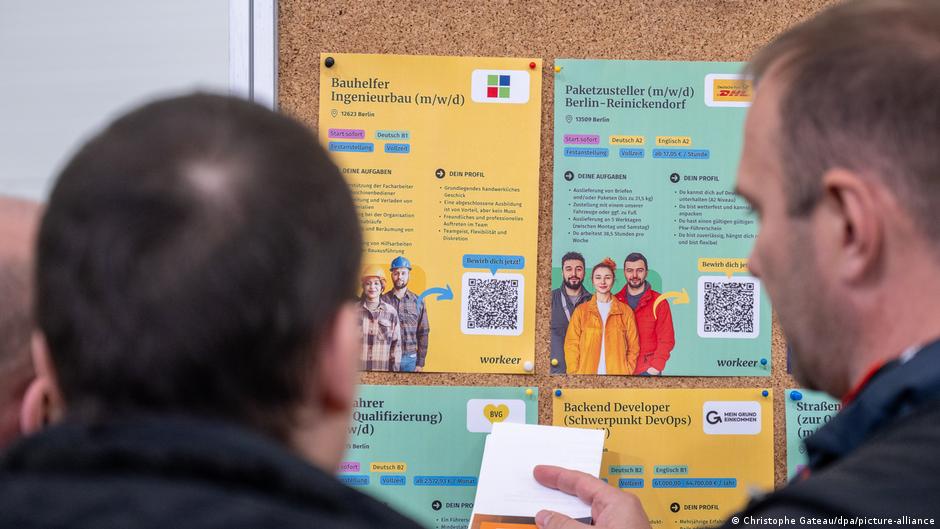
The wage disparity between German and foreign full-time workers in Germany stood at 23.6% in 2025, according to data released by the Federal Ministry of Labour and Social Affairs (BMAS). The median monthly gross salary for Germans reached €4,396, compared to €3,358 for foreigners, highlighting persistent structural differences within the labor market.
Factors Behind the Persistent Wage Gap
The reported wage gap aligns closely with figures observed since 2020, when the difference ranged between 23.1% and 25.5%. Both groups have seen rising median incomes over the period, yet the relative disparity remains entrenched.
A significant contributor to this gap is the distribution of workers across industries and roles. Research by the Institute for Employment Research (IAB) indicates that foreign employees are overrepresented in lower-paying sectors and less likely to hold high-paying positions compared to native Germans.
"The wage differential is largely explained by the fact that immigrants are less frequently employed in high-paying industries or roles," the IAB analysis states.
Moreover, educational attainment and professional qualifications considerably influence earnings. The Federal Employment Agency data shows that in 2025, workers without professional qualifications earned a median salary of €3,133, while those with recognized vocational qualifications received €4,069. University graduates commanded a substantially higher median of €6,146.
The prevalence of low-paid jobs among foreign workers remains a challenge. Approximately 30.6% of foreign full-time employees were engaged in low-wage employment, compared to just 12.3% of German workers. This discrepancy underscores the structural barriers faced by foreign workers in accessing higher-paying roles even when employed full-time.
Implications for Corporate Strategy and Labor Market Policies
For businesses operating in Germany, understanding these dynamics is critical for human resource strategy and corporate social responsibility. Companies aiming for diversity and inclusion must consider targeted professional development and credential recognition programs to bridge qualification gaps and foster upward mobility among foreign employees.
From a policy perspective, the persistent wage gap signals the need for continued efforts in labor market integration. Enhancing recognition of foreign qualifications, improving access to vocational training, and addressing sectoral employment imbalances are pivotal strategies to reduce wage disparities.
As Germany's labor market becomes increasingly internationalized, narrowing the wage gap is not only a matter of social equity but also essential for maintaining a competitive and productive workforce.