Germany Identifies 410 Islamist Threats Amid Rising Radicalization Concerns
Federal authorities classify 410 individuals as Islamist threats, highlighting challenges in counterterrorism and radicalization prevention strategies.
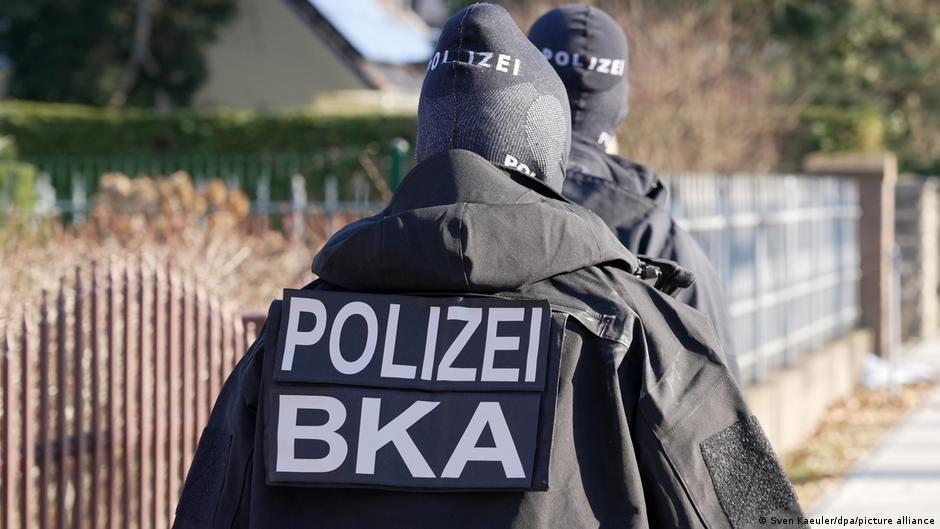
Germany's Federal Criminal Police Office (Bundeskriminalamt, BKA) reported that as of July 1, 2026, 410 individuals within the country are classified as threats due to Islamist activities. This classification reflects heightened concerns over potential violent extremist actions, including terrorism, and underscores the challenges faced by German law enforcement and security agencies in identifying and managing such risks.
Rising Consultations and Evolving Threat Landscape
The Federal Office for Migration and Refugees (BAMF) consultation center in Nuremberg, dedicated to addressing radicalization, recorded 165 consultation requests during the first half of 2026. This demand remains consistently high and comparable to 2023 levels, indicating sustained public and institutional concern about Islamist radicalization.
"The need for consultations regarding forms of Islamist radicalization remains high, reflecting persistent societal sensitivity," noted a BKA representative.
Notably, over 50% of these consultations in 2025 originated from official institutions such as schools, while nearly 43% came from family members of individuals suspected of radicalization. Parents comprised the largest group seeking advice, with the average age of those suspected being just under 19 years old. This demographic data highlights the importance of early intervention in youth and community settings.
The October 7, 2023, terrorist attack by the Palestinian Islamist group Hamas against Israel marked a critical turning point, amplifying public sensitivity and increasing consultation volumes related to radicalization concerns.
Case Study: The Berlin LGBT Parade Attack
The consultation center refers urgent cases to regional networks such as the Violence Prevention Network (VPN), which had prior contact with Abdul B., the suspect in the July 25, 2026, attack on Berlin’s LGBT pride parade. Abdul B., a 21-year-old German citizen of Lebanese descent, drove a white van into a crowd near the Brandenburg Gate, injuring 29 people and causing one fatality. He then exited the vehicle and attacked participants with a sharp weapon.
Abdul B.'s background illustrates complex challenges in managing individuals linked to Islamist extremism. Having recently been released from a juvenile detention facility in May 2026—where he was held on suspicion of preparing a terrorist attack—he was previously detained in late 2025 at Berlin Brandenburg Airport after returning from Lebanon. Authorities suspected attempts to join the Islamic State in Syria. Despite these indicators, he received a conditional sentence of one year and ten months for preparing a violent crime against the state.
Following the attack, German Interior Minister Alexander Dobrindt labeled the incident an Islamist terrorist act. The case has sparked criticism of judicial and law enforcement approaches to managing high-risk individuals. Dirk Peglow, head of the German Federal Criminal Police Union (BDK), stressed in an interview published on July 27 that releasing individuals with such threat levels must not lead to diminished state surveillance. He advocated for initiating deradicalization measures during detention and continuing support post-release.
Bavarian Interior Minister Joachim Herrmann described the conditional sentence handed down to Abdul B. as a "catastrophe," reflecting broader concerns over the adequacy of the criminal justice system in counterterrorism contexts.
Implications for Strategy and Policy
The data and recent events reinforce the necessity for enhanced coordination between federal and state authorities, improved risk assessment frameworks, and sustained investment in preventive and deradicalization programs. Early detection and intervention, particularly among youth, remain key to mitigating threats posed by Islamist radicalization.
Moreover, the case exemplifies the difficulty balancing civil liberties with security imperatives, especially given the fluctuating number of individuals classified as threats and potential extremists across ideological spectrums.