Analysis of Ukrainian Military Desertions in Germany Highlights Challenges in Training Programs
Over 300 Ukrainian soldiers have deserted from German training courses since 2022, raising concerns about military integration and personnel management.
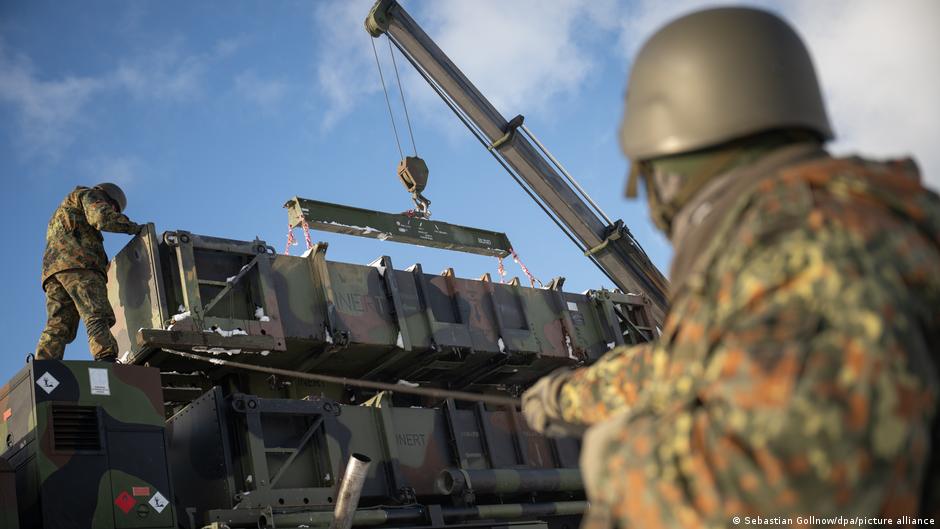
Rising Desertion Rates Among Ukrainian Soldiers in Germany
Since 2022, hundreds of Ukrainian military personnel undergoing combat training in Germany have unilaterally abandoned their units, according to recent reports. In the German federal state of Saxony-Anhalt alone, more than 80 such desertions have been documented, signaling a growing challenge within international military cooperation frameworks.
These training programs in Germany were initially designed to enhance the combat readiness of Ukrainian forces amid ongoing conflict conditions. Approximately 29,000 Ukrainian soldiers and officers have participated in several-week-long courses on German training grounds since the full-scale Russian invasion began in February 2022. However, the profile of participants has shifted from highly motivated, battle-experienced troops to individuals with limited combat exposure and lower willingness to engage in combat.
Factors Contributing to Desertions
According to detailed accounts, a significant number of Ukrainian soldiers sent to Germany were compelled into service, which has adversely affected morale and commitment levels. Many of these personnel deserted during their assignment at the Altengrabow training range in Saxony-Anhalt. The desertions not only disrupt the operational effectiveness of the Ukrainian military but also pose legal challenges, as Ukrainian law classifies such acts as desertion punishable by up to 12 years imprisonment.
Unlike civilian Ukrainian refugees who enjoy certain protections under German law, these military personnel do not benefit from temporary protection status, making their desertion a complex issue in the context of asylum and international law.
"The shift from deploying experienced soldiers to integrating less motivated personnel reflects deeper systemic challenges within the Ukrainian armed forces' manpower strategy."
Implications for Military Strategy and International Support
This trend of desertion places significant strain on the strategic objectives of both the Ukrainian military and its international partners. Germany's role as a key training hub underscores the importance of effective personnel management and vetting procedures. The underlying issues suggest a need for reassessing recruitment and training approaches to ensure alignment with operational goals and personnel welfare.
Moreover, the desertion phenomenon highlights the competitive landscape within military manpower retention, where motivation, experience, and voluntary participation are critical success factors. For German and broader NATO support programs, balancing operational demands with human factors is essential to maintain the sustainability of assistance efforts.
In conclusion, these developments call for a nuanced review of the Ukrainian military's human capital strategies and enhanced coordination with international training partners to mitigate attrition risks and optimize combat readiness.