Russian Government Proposes Expanding Military Service Eligibility to Convicted Offenders Amid Recruitment Challenges
New legislation aims to broaden the categories of convicted individuals eligible to contract with the Ministry of Defense, including serious offenses such as banditry and smuggling.
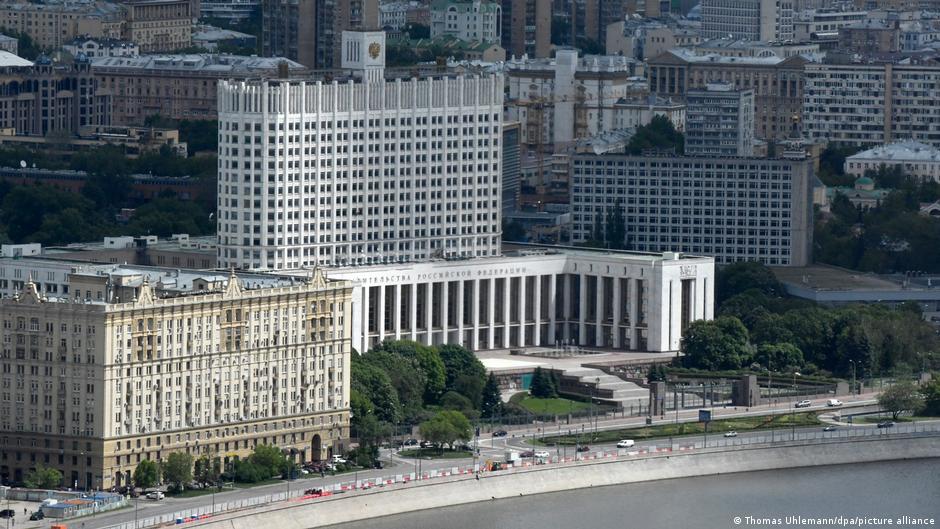
The Russian government has submitted a legislative proposal to the State Duma seeking to expand the list of criminal offenses that permit convicted individuals to enter into service contracts with the Ministry of Defense during mobilization, martial law, or wartime. This move reflects ongoing attempts to increase the inflow of contract soldiers amid recruitment difficulties.
Broadening Eligibility for Military Contracts
The draft law, registered on July 17, proposes allowing individuals convicted under several serious criminal code articles to enlist. Among these are charges related to participation in banditry (Part 2, Article 209), involvement in organized crime groups (Part 2, Article 210), drug smuggling excluding large organized groups (Article 229.1), organizing illegal migration by groups (Part 2, Article 322.1), illegal acquisition and storage of nuclear or radioactive materials (Parts 1 and 2, Article 220), theft or extortion of nuclear materials (Part 1, Article 221), smuggling of cash (Article 200.1), and loss of classified documents (Article 284).
The explanatory note accompanying the proposal stresses that amendments to Article 34 of the Federal Law "On Military Duty and Military Service" and Article 78 of the Criminal Code are necessary to implement these changes. It also states that adopting the bill will not have negative social, economic, or financial consequences, nor will it adversely affect the achievement of government program goals.
"The adoption of the bill will not lead to negative socio-economic, financial, or other consequences," the explanatory note affirms.
Context: Recruitment Pressures and Strategic Responses
This legislative initiative comes amid intensified efforts by Russian authorities to bolster contract soldier numbers. In late May, President Vladimir Putin extended debt write-off incentives for new contractees to encourage enlistment. Additionally, recruitment drives have extended beyond Russia’s borders, targeting Russian speakers in Belarus and China with job offers associated with the ongoing conflict in Ukraine.
Some regional military commissariats, such as those in Penza Oblast, have reportedly conducted raids to compel men into signing military contracts. Furthermore, the Higher School of Economics (HSE) has introduced a program offering to fully finance education for candidates who commit to serve in designated military units like the "BARS" squad or drone forces.
These moves signal a broader strategic adaptation to address manpower shortages amid persistent military engagements and potentially signal preparations for broader mobilization measures. Discussions in Russian-language media increasingly speculate on the prospects of renewed conscription efforts beyond the partial mobilization conducted between late September and early October 2022.
The partial mobilization remains in effect, as confirmed by a January 2023 presidential administration response to public inquiries. Kremlin spokesman Dmitry Peskov clarified that the corresponding decree continues to regulate essential military-related activities, including obligations of servicemen, thereby maintaining its operational validity.
Implications for Military and Social Policy
This legislative expansion reflects Russia’s urgent need to sustain military personnel levels amid complex operational demands. By broadening the eligibility criteria to include individuals convicted of serious offenses, authorities are signaling a pragmatic shift in manpower policies that prioritizes quantity over traditional recruitment standards.
However, integrating individuals with criminal backgrounds poses potential risks related to unit cohesion, discipline, and operational effectiveness. The government’s assurance that no adverse socio-economic impacts will arise indicates confidence in managing these risks, though the longer-term effects remain to be seen.
Overall, this development highlights how Russia’s military recruitment and mobilization strategies are evolving in response to ongoing challenges, underscoring a pragmatic but potentially contentious approach to maintaining force strength.