Hungary Blocks Opening of Key EU Accession Negotiation Clusters for Ukraine
Budapest opposes initiating talks on internal market and competitiveness clusters amid EU enlargement discussions.

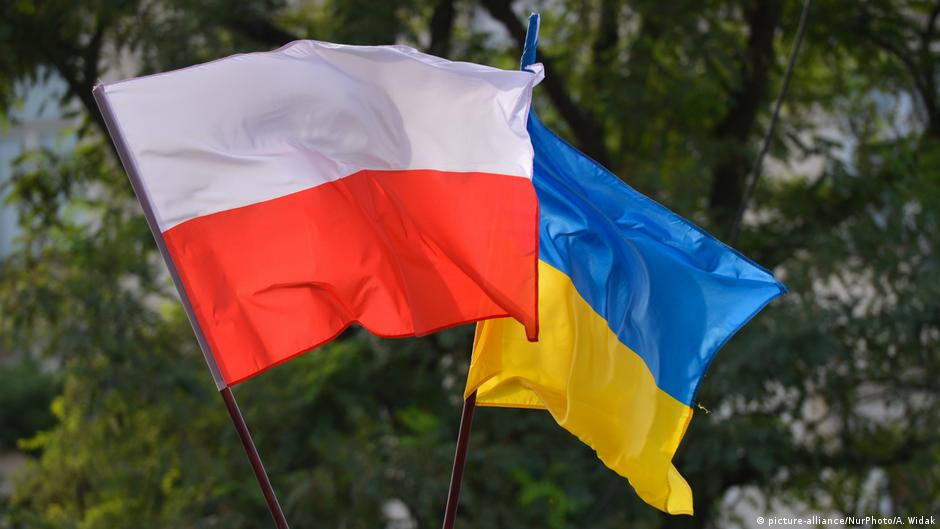
Hungary has obstructed the opening of the second and third negotiation clusters in Ukraine's European Union accession talks, according to sources cited by a Ukrainian news outlet. These clusters, focused on the internal market, competitiveness, and inclusive growth, represent critical stages in Ukraine's path towards EU membership.
During a meeting of the COELA working group on EU enlargement held on July 17, Hungarian representatives declined to commence the negotiation process for Ukraine on these clusters. The meeting initially aimed to approve a request for Ukraine and Moldova to submit their negotiation positions on these topics. However, Hungary only consented to sending such a request to Moldova for cluster number three.
"Hungary gave the green light only for sending a letter to Moldova regarding cluster number three," a source revealed.
This stance contradicts the views of several other EU member states, which opposed segregating Ukraine and Moldova in the negotiation process and did not support Hungary's proposal. As a result, the issue was deferred for reconsideration at the next COELA meeting scheduled for July 22, the final session before the EU’s summer recess until September 1.
Context and Strategic Implications
Ukraine and Moldova officially began their EU accession negotiations in June 2024, with the opening of the first "Foundations" cluster on June 15 and the sixth "External Relations" cluster on July 14. The commencement of negotiation clusters marks a transition from formal talks to detailed legislative and regulatory discussions essential for integration into the EU.
Until June 2026, these negotiations had been stalled owing to Hungary’s position. Budapest’s refusal to approve the opening of additional clusters reflects its broader strategic concerns about the pace and sequencing of EU enlargement.
In late June, Hungary was the only EU country opposing a unified letter from all 27 member states to the European Council and European Commission advocating for Ukraine and Moldova’s accession. Prime Minister Péter Márki-Zay defended this approach by arguing that opening all six negotiation clusters simultaneously was unwise.
"Partly because the ink on the first cluster has not even dried yet, and partly because it would send the wrong signal to Western Balkans countries — Serbia, Albania, Montenegro, and North Macedonia — which have spent years working towards EU membership," Márki-Zay explained to journalists.
Hungary’s position suggests a strategic attempt to balance support for Ukraine's EU ambitions with concerns over managing EU enlargement dynamics. This stance reflects Budapest’s desire to avoid setting precedents that could accelerate accession talks for Western Balkan states, which it perceives as less prepared.
For corporate stakeholders and investors, Hungary’s blockade introduces heightened uncertainty into the EU accession timeline for Ukraine, potentially affecting regulatory harmonization, market integration, and investment flows. The delay in opening clusters relating to the internal market and competitiveness could slow reforms critical for Ukraine’s economic modernization and competitiveness within the EU single market.
As the EU grapples with expansion amid geopolitical tensions, Hungary’s maneuvering underscores the complexities of enlargement negotiations, where national interests and broader strategic considerations intertwine. The upcoming COELA meeting on July 22 will be closely watched for developments on this front, which will influence the trajectory of Ukraine’s EU integration and the region’s political economy.