Ukrainian President Zelensky to Meet All 100 US Senators Amid Sanctions Vote
Zelensky's Washington visit includes a Senate meeting and anticipated vote on expanded sanctions against Russia during sensitive geopolitical times.
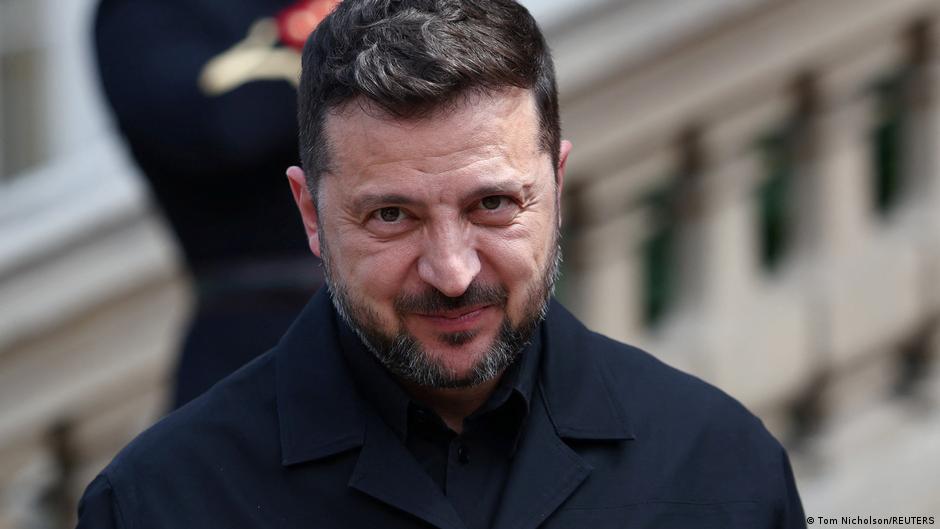
Ukrainian President Volodymyr Zelensky is scheduled to visit Washington, D.C., coinciding with the funeral of Republican Senator Lindsey Graham. In an unusual move reflecting the critical nature of US-Ukraine relations, all 100 members of the United States Senate have been invited to meet with Zelensky.
Strategic Timing: Meeting and Sanctions Vote
The meeting is set for 6:00 p.m. local time on Tuesday at the U.S. Capitol. It comes at a pivotal moment as the Senate is expected to commence voting on a new bill designed to intensify sanctions against Russia. The legislation, crafted with direct involvement from the late Senator Graham, aims to increase economic pressure on Moscow amid ongoing conflict in Ukraine.
Senator Graham, a staunch supporter of Ukraine, met with Zelensky in Kyiv on July 10—one of his last official engagements before his passing. The bill enjoys bipartisan support and has the backing of US President Donald Trump, who has pushed for the inclusion of expanded sanctions also targeting Iran and the Lebanese Shiite militant group Hezbollah.
"Now is the time to end the war," a White House representative said, highlighting the urgency behind the legislative push and diplomatic engagements.
Broader Diplomatic Context
Beyond the Senate meeting, President Trump is slated to hold separate talks with President Zelensky and Israeli Prime Minister Benjamin Netanyahu on July 28. These meetings will focus on two critical geopolitical flashpoints: the war in Ukraine and conflicts in the Middle East.
Negotiations with Netanyahu are expected to cover progress with Lebanon and efforts to expand the Abraham Accords—historic agreements normalizing relations between Israel and several Muslim-majority countries. Meanwhile, discussions with Zelensky will center on advancing peace efforts between Russia and Ukraine.
According to sources, US and Ukrainian officials have been exploring proposals for a potential airspace ceasefire as part of a broader package aimed at facilitating a possible cessation of hostilities in Ukraine.
These developments underscore the complex interplay of diplomatic strategy, legislative action, and international alliance-building as the US navigates its role in the evolving geopolitical landscape.
For multinational corporations and investors, these developments signal potential shifts in regulatory environments, sanctions compliance demands, and geopolitical risk assessments tied to Russia, Iran, and the Middle East.