Iran’s Supreme Leader Ali Khamenei Buried Amid Leadership Uncertainty and Regional Tensions
Ali Khamenei’s burial after a U.S.-Israel strike marks a pivotal moment in Iran’s leadership transition and regional conflict dynamics.
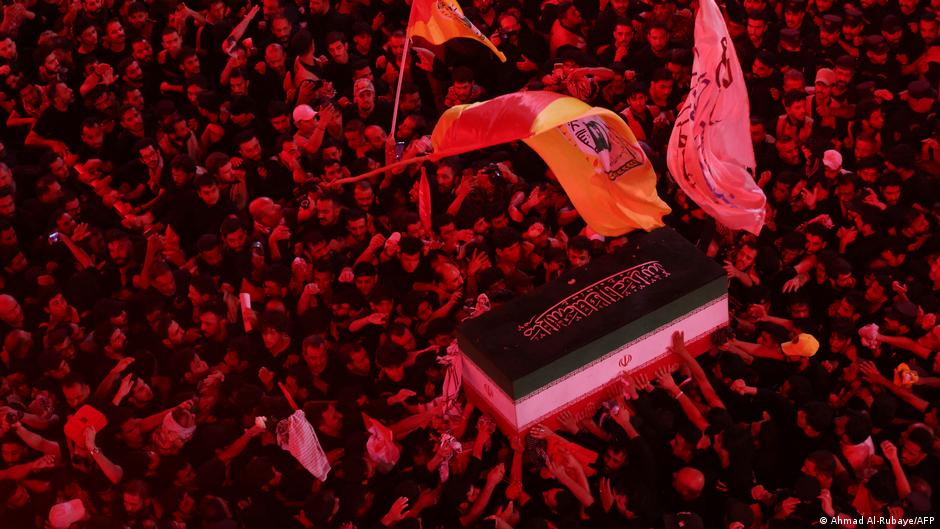
After six days of closed mourning ceremonies in Mashhad, Iran has interred its former Supreme Leader, Ayatollah Ali Khamenei, who was killed in late February during a U.S. and Israeli strike on his residence. The burial took place on the night of July 10 at the Imam Reza Mausoleum, one of the largest Shiite Muslim shrines globally. This site annually attracts up to 20 million pilgrims, underscoring the symbolic significance of Khamenei’s final resting place.
Strategic Implications of the Burial Site and Leadership Succession
The choice of the Imam Reza Mausoleum for Khamenei’s burial aligns with the regime’s narrative of portraying him as a martyr who fell in a struggle against militarily superior adversaries. The mausoleum complex also contains the graves of Khamenei’s family members who died in the same airstrike and of former Iranian President Ebrahim Raisi, who died in a helicopter crash earlier this year.
The funeral occurred more than four months after Iran officially confirmed Khamenei’s death following the airstrike. Tehran announced the funeral date on June 13 during a fragile ceasefire phase agreed upon by the warring parties. Mourning ceremonies started on July 4, with Khamenei’s coffin displayed sequentially in Tehran, the significant Shiite pilgrimage city of Qom, and Iraqi Shiite holy cities Najaf and Karbala. Iranian authorities reported that up to 20 million people attended the Tehran farewell event alone.
“Despite large-scale mourning events, Khamenei’s son Mojtaba, officially succeeding him as Supreme Leader, has not appeared publicly since the February attack.”
Notably, during these ceremonies, Khamenei’s son, Mojtaba, who is the official successor as Supreme Leader, has remained absent from the public eye. Various media reports suggest Mojtaba was seriously wounded in the attack but remains capable. Additionally, the Iranian regime reportedly fears further Israeli attempts on the new leader’s life, explaining his absence from public mourning rituals.
Iran’s Fars news agency announced Mojtaba is expected to appear on July 19 at another farewell ceremony in Qom, where he will reportedly deliver a speech honoring his father. Previous reports about his imminent public appearance had not been confirmed.
Regional and Diplomatic Fallout Amid Leadership Transition
The start of mourning ceremonies on July 4 also influenced U.S.-Iran diplomatic dynamics. Then-U.S. President Donald Trump stated that Washington granted Tehran a one-week pause in negotiations due to the funerals. He expressed surprise at the large turnout mourning the late Supreme Leader.
However, only two days later, tensions in the region escalated. Iran attacked tankers in the strategic Strait of Hormuz, justifying the strikes as a response to vessels allegedly navigating the area without Tehran’s coordination. The U.S. retaliated by targeting coastal positions of Iran’s Islamic Revolutionary Guard Corps, which in turn launched attacks on American bases in Bahrain and Kuwait.
Speaking at a NATO summit in Ankara during these developments, Trump declared the ceasefire with Iran was effectively over and ruled out further negotiations. Nevertheless, U.S. officials later indicated that diplomatic engagements continue despite the heightened military exchanges.
The combination of Khamenei’s death, the opaque leadership transition, and rising military confrontations has injected greater uncertainty into Iran’s political landscape. The new Supreme Leader’s limited visibility complicates internal power consolidation and adds volatility to Iran’s external relations, especially with the U.S. and Israel.
For international businesses and investors, these developments underscore elevated geopolitical risks affecting regional stability, energy markets, and global supply chains. Monitoring Iran’s internal political dynamics and its external conflicts remains critical for strategic planning and risk assessment in the Middle East.