June 2026 Marks Highest Civilian Casualties in Ukraine Since Russian Invasion
UN data reveals a worsening trend in civilian losses amid ongoing conflict, highlighting urgent calls for ceasefire and peace negotiations.
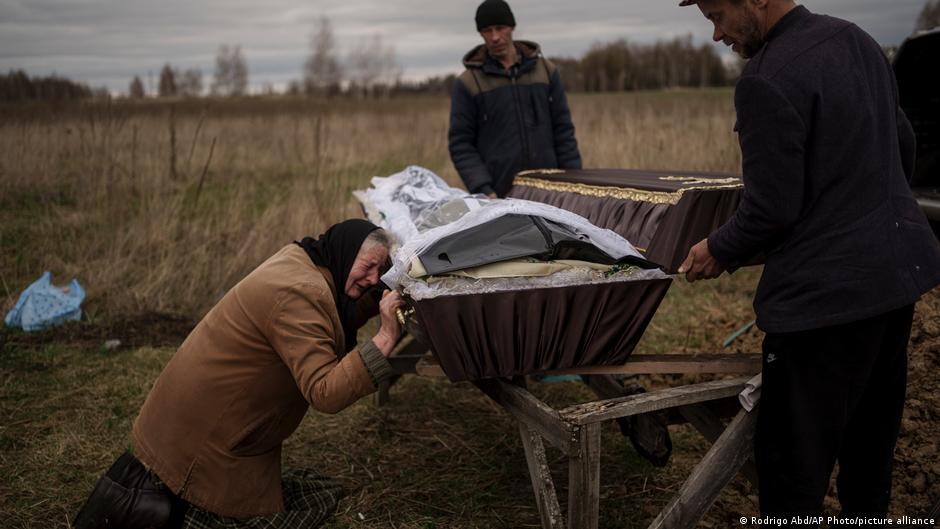
June 2026 saw the deadliest toll on Ukrainian civilians since the onset of Russia's full-scale invasion, underscoring a grim escalation in the humanitarian impact of the conflict. According to data presented at a United Nations Security Council meeting on July 9, the trend of increasing civilian casualties has persisted for three consecutive months.
Rosemary DiCarlo, UN Under-Secretary-General for Political Affairs and Peacebuilding, reported that at least 265 civilians were killed and 1,816 injured in Ukraine during June due to Russian attacks. Although the figure is slightly lower than the 274 civilian deaths recorded in May, the June data remains preliminary, and actual numbers might be higher.
Strategic Implications for Ukraine’s Conflict and Reconstruction
Since the start of the war, Ukraine has suffered a total of no fewer than 16,402 civilian deaths, including 802 minors, with over 48,428 injured. May 2026 previously held the record for the deadliest month for civilians, but July has already seen continued attacks targeting urban centers, resulting in dozens of casualties in just the first week alone.
Sanita Pavļuta-Deslandes, Latvia’s permanent representative to the UN, disclosed that at least 93 civilians died and more than 500 were wounded during the initial week of July, illustrating a sustained and systematic pattern of attacks focused on population centers. This ongoing violence not only exacerbates humanitarian challenges but complicates Ukraine’s strategic management of the war and post-conflict recovery.
"The attacks on July 2, 6, and 8 exemplify a clear pattern of strikes on Ukrainian city centers," noted DiCarlo, highlighting the deliberate targeting of civilian infrastructure and the resultant social and economic destabilization.
From a corporate and governance perspective, the protracted conflict and rising civilian tolls present significant challenges for Ukraine’s government and business environment. The persistent violence undermines investor confidence, disrupts supply chains, and poses risks to workforce stability, all critical issues for Ukraine’s economic resilience and reconstruction efforts. The international community’s calls for an immediate and unconditional ceasefire align with broader strategic interests in stabilizing the region to enable sustainable economic and infrastructural development.
DiCarlo emphasized the necessity of a ceasefire that would lead to a just, lasting, and comprehensive peace aligned with the UN Charter and international law. Such an outcome is essential not only for humanitarian reasons but also for creating a stable environment conducive to corporate strategy, foreign direct investment, and effective governance in Ukraine’s future.
The data further reveals a disturbing seasonal pattern, with civilian casualties increasing during spring and summer months. However, 2026 casualty levels are significantly higher than in previous years, amplifying the urgency for political and strategic solutions to halt hostilities.
For businesses and policymakers monitoring the conflict, these developments highlight the intertwined nature of security, humanitarian conditions, and economic prospects in Ukraine. As the conflict evolves, management decisions at both governmental and corporate levels must account for the volatile security landscape and prioritize initiatives that contribute to stability and reconstruction.