US Imposes 50% Tariffs on Canadian Goods Amid Rising Trade Tensions
The US administration imposes significant tariffs on Canadian imports to address alleged market discrimination against American products.
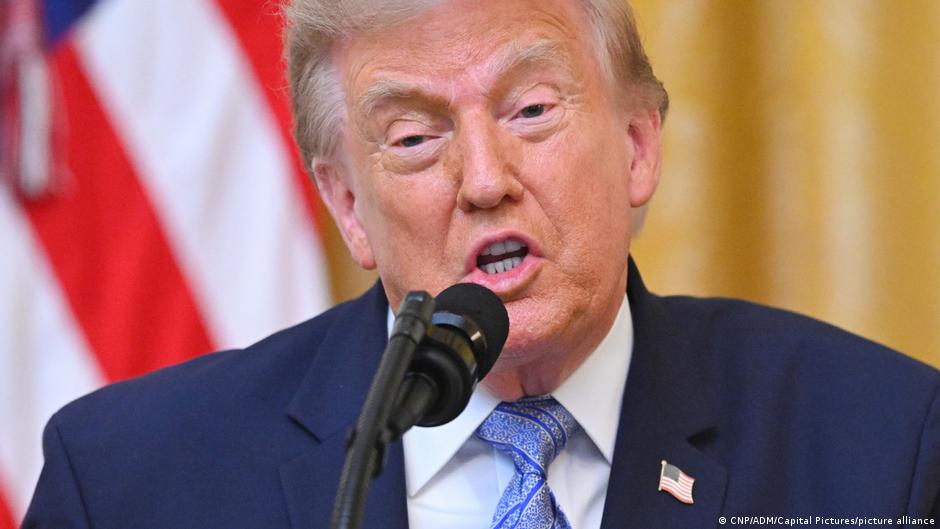
On July 20, US President Donald Trump signed executive orders introducing new 50-percent tariffs on a broad range of Canadian goods. Citing what he described as "discriminatory treatment" by Canadian authorities against American alcoholic beverages, automobiles, and dairy products, the administration aims to reshape trade dynamics between the two nations.
Strategic Targeting of Canadian Imports and Market Access
According to the official statements, the tariffs cover various categories of Canadian exports, including wine, hockey sticks, and cement, but exclude energy products, potash, and goods already subject to existing sector-specific tariffs. These tariffs are set to enter into force on August 19, 30 days after the announcement, and will also impact products governed by the United States-Mexico-Canada Agreement (USMCA).
US Trade Representative Jamison Greer emphasized that the new duties affect approximately $20 billion worth of imports from Canada. He accused Canada of removing American alcoholic beverages from retail shelves, expanding European Union dairy products’ market access unfairly, and restricting exports of American-made automobiles to Canada when firms repatriate production to the US.
"Canada removed American alcoholic beverages from Canadian shelves and restricted access for US automobiles, prompting these tariffs to level the playing field," said Jamison Greer.
In response, Canadian Prime Minister Mark Carney expressed willingness to "intensify" negotiations with Washington and presented proposals to resolve disputes and modernize the USMCA framework. He criticized the tariffs as unilateral actions violating the trilateral trade agreement and indicated Canada’s reciprocal measures.
While President Trump has applied tariffs against trade partners since his return to office, prior measures largely exempted goods traded under USMCA. This recent decision marks a more aggressive stance towards Canadian imports under the agreement.
Broader Context and Corporate Implications
Recent US threats to increase tariffs have also cited environmental concerns related to cross-border wildfire smoke impacting American states. Trump suggested on his social media platform that these environmental costs should be incorporated into existing tariffs on Canadian imports.
Earlier this year, the Trump administration threatened 50-percent tariffs on all Canadian-manufactured aircraft and announced intentions to revoke certification for Canadian plane models, including those by Bombardier, unless Canada allowed American competitor Gulfstream’s models immediate market entry. The administration claims Canada refuses to certify Gulfstream’s G500, G600, G700, and G800 models. Bombardier acknowledged the statements and confirmed ongoing engagement with the Canadian government.
This escalating trade conflict has heightened tensions, prompting Canadian leadership to advocate for increased trade independence from the US. Carney criticized US trade and foreign policy approaches as undermining the rules-based global order and called for international cooperation to counter these trends.
For corporations operating within the North American trade ecosystem, these developments signal a volatile regulatory environment. Companies reliant on cross-border supply chains may face increased costs and operational uncertainty. Strategic responses, including supply chain diversification and proactive engagement in bilateral negotiations, will be critical to mitigate risks.
Overall, the introduction of substantial tariffs reflects a shift towards protectionist trade policies that could reshape competitive dynamics in key industries such as automotive, agriculture, and manufacturing across the US and Canada.