Germany Urges Turkey to Exclude Russian Gas in Future EU Energy Contracts Amid Strategic Realignments
Berlin advocates for non-Russian gas supplies in upcoming Turkey-EU agreements, highlighting evolving energy partnerships and geopolitical considerations.
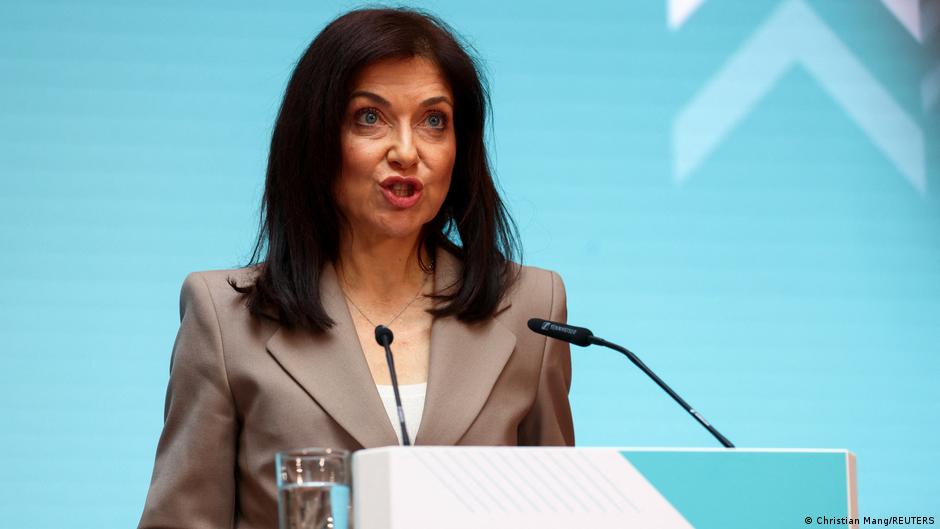
During a two-day visit to Ankara, German Economy Minister Katherina Reiche emphasized that the European Union will insist on gas supplies excluding Russian sources in any future energy agreements involving Turkey. This position underscores a strategic shift in the EU’s energy procurement policy in light of geopolitical tensions and the bloc’s efforts to reduce dependency on Russian energy.
EU's Strategic Energy Position and Turkey's Role
Minister Reiche articulated Berlin's confidence that Turkey understands and accepts the EU's stance on prohibiting Russian gas in forthcoming contracts. This directive comes amidst ongoing negotiations between Turkey and Russia concerning new gas supply agreements, as existing contracts near expiration.
"Brussels will insist on supplies of gas not from Russia in any future energy agreements involving Turkey," Reiche stated during her visit.
Reiche’s trip included meetings with key Turkish officials, notably Energy Minister Alparslan Bayraktar, signaling the importance of aligning energy strategies. Germany also brought a business delegation to explore deeper commercial collaboration.
Highlighting Turkey's economic significance, Reiche noted that Turkey ranks as the EU's fifth largest trading partner with nearly balanced trade relations. She emphasized the importance of Turkey not only as a reliable trade partner but also as a crucial player in achieving shared political objectives, especially considering ongoing international conflicts involving Russia, Ukraine, the United States, Israel, and Iran.
Challenges in Transitioning Away from Russian Energy
Turkey remains the second largest importer of Russian gas, which makes the EU’s demand for non-Russian supplies a complex issue for Ankara. While Turkey seeks to establish itself as a regional gas hub, shifting away from Russian gas sources is fraught with economic and infrastructural challenges.
Reiche acknowledged that Turkish officials have conveyed the impracticality of an immediate replacement of Russian gas supplies, given current resource limitations and economic considerations. This realistic appraisal highlights the transitional challenges faced by Turkey while balancing its strategic relations with both Russia and the EU.
Additionally, Turkey’s oil refineries have increased crude purchases from Iraq and Kazakhstan, a move aligned with Western sanctions imposed on the Russian oil sector following Moscow’s ongoing military actions in Ukraine. This adjustment reflects Turkey's pragmatic approach to diversifying energy imports under political pressures.
Implications for Corporate Strategy and Energy Markets
The insistence by the EU on excluding Russian gas in new contracts with Turkey signals a pronounced shift in the competitive landscape of energy supplies in the region. For Turkish energy companies and their multinational partners, this mandates a strategic reevaluation of supply chains, contract negotiations, and investment in alternative energy sources.
Moreover, as Turkey aims to solidify its status as a regional gas hub, the diversification of energy sources aligns with its broader ambitions to increase geopolitical leverage and economic resilience. For European firms and policymakers, these developments necessitate adaptive strategies focused on securing stable, diversified energy supplies while navigating the complex web of international relations.