Russia’s Ballistic Missile Strikes on Kyiv Highlight Ukraine’s Air Defense Challenges
Recent missile attacks on Kyiv and surrounding regions expose Ukraine’s strategic vulnerability amid Patriot missile shortages.
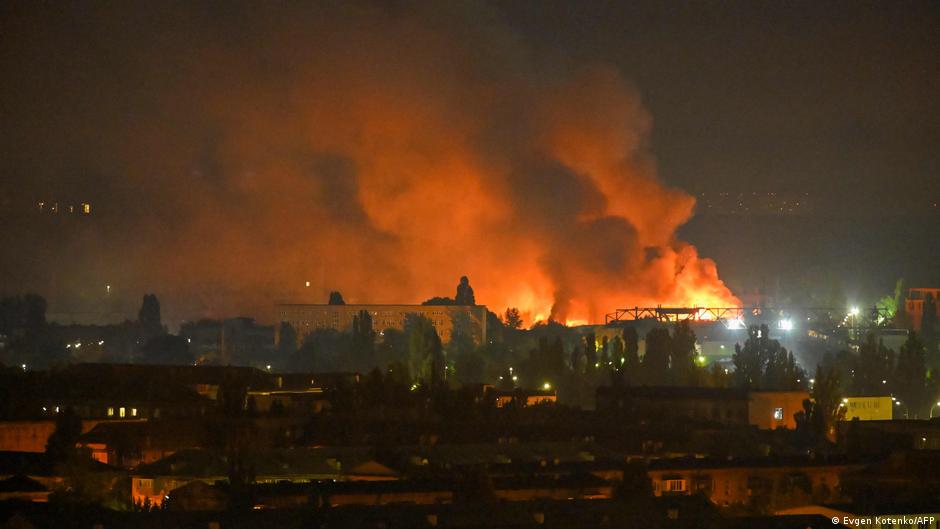
On the night of August 5, Russian forces launched a series of ballistic missile attacks targeting Kyiv and several surrounding regions, resulting in casualties and significant damage to civilian infrastructure. Ukrainian authorities report increasing difficulties in countering such attacks, primarily due to shortages of Patriot missile defense systems.
Strategic Impact of Missile Strikes on Kyiv Region
The Russian military’s renewed offensive employed ballistic missiles and unmanned aerial vehicles (UAVs) to strike multiple sites across Kyiv and its oblast. Kyiv Mayor Vitali Klitschko confirmed fires and damage to non-residential buildings in the Obolonsky, Desnyansky, and Holosiivskyi districts, as well as in suburban areas. A private residential house was destroyed in Holosiivskyi, with concerns about potential casualties under the rubble.
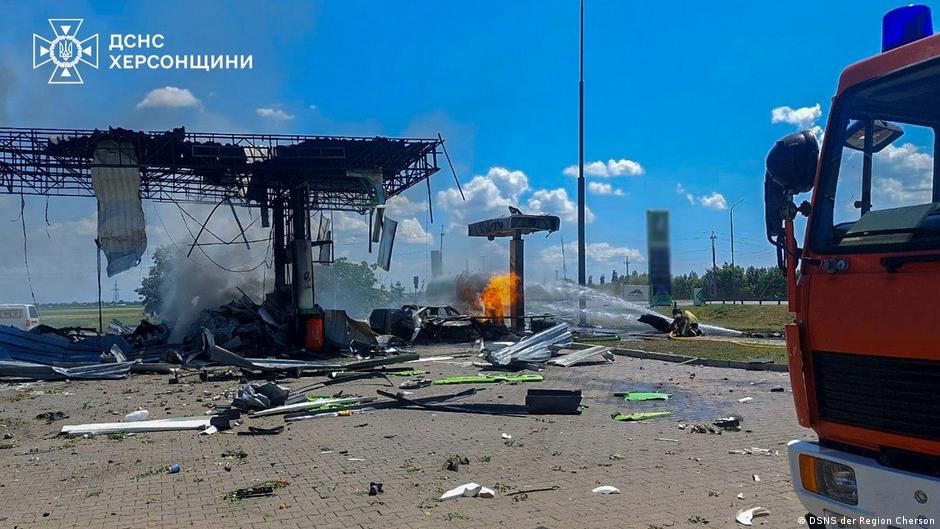
Preliminary data from the Kyiv City Military Administration indicates one civilian fatality in the city and at least 12 injured, while the State Emergency Service of Ukraine (DSNS) reported 15 casualties within Kyiv’s limits. Damage extended beyond the capital, with the Kyiv Oblast administration documenting injuries to 21 civilians across Bucha, Brovary, and Fastiv districts. Bucha recorded one fatality. The Brovary district experienced fires at logistics and warehouse facilities, as well as industrial and commercial sites; Bucha and Fastiv also saw significant infrastructure damage.
"The attacks have targeted logistics complexes and industrial enterprises, significantly disrupting local supply chains and economic activities," a regional official stated.
Beyond Kyiv and its oblast, the Ukrainian Air Force indicated additional missile and drone strikes in the Odessa, Zaporizhzhia, Dnipropetrovsk, Kharkiv, and Mykolaiv regions during the same night, reflecting a broadening scope of the offensive.
Operational Challenges and Implications for Ukraine’s Air Defense
Since the full-scale invasion began, Russian forces have systematically deployed both ballistic missiles and armed drones to degrade Ukraine’s military and civilian infrastructure. Notably, on August 4, Ukrainian Air Force reports confirmed a ballistic missile launch from Russia’s Rostov region using the "Iskander-M" system, alongside a swarm attack involving 136 strike drones. Attempts to intercept the Iskander missile were unsuccessful.
President Volodymyr Zelensky has previously highlighted the increasing frequency of such attacks, attributing Ukraine’s vulnerability to a shortage of American Patriot surface-to-air missile (SAM) systems. These systems are critical for intercepting ballistic missiles, yet Ukraine’s current inventory is insufficient to counter the scale and pace of Russian strikes effectively.
The shortage of Patriot missiles poses strategic challenges to Ukraine’s defense posture, forcing reliance on less effective systems or leaving gaps in air defense coverage. This dynamic not only risks civilian lives and infrastructure but also pressures Ukraine’s military leadership to adapt operational strategies amid constrained resources.
From a corporate and economic standpoint, the repeated targeting of logistics hubs, warehouses, and industrial enterprises underlines the broader impact of the conflict on Ukraine’s supply chains and economic resilience. Damage to these nodes disrupts domestic distribution networks and impairs export capabilities, further complicating Ukraine’s economic recovery efforts.
Looking ahead, the ability of Ukraine to secure additional air defense assets, including Patriot missile systems and complementary technologies, will be critical to mitigating the impact of ongoing Russian missile campaigns. International support and timely equipment deliveries remain strategic priorities for Kyiv’s military and government leadership.