US Military Death Toll Rises to 17 Amid Escalating Conflict with Iran
New casualties and strategic military deployments mark intensifying US-Iran hostilities in the Middle East.
The United States has confirmed the death of its 17th military service member amid ongoing hostilities with Iran. The latest casualty occurred during a controlled detonation of unexploded Iranian munitions in northern Iraq, according to the US Central Command (CENTCOM).
On July 18, a US soldier was killed while defusing remnants of an Iranian drone downed over the region. Another service member sustained minor injuries and is currently receiving medical treatment. This latest incident underscores the hazards faced by US forces in the volatile operational environment across Iraq.
Recent Developments and Strategic Military Responses
Earlier reports noted the deaths of two US service members following an Iranian missile strike on a military base in Jordan on July 17. Additionally, one soldier was declared missing in action. CENTCOM has since discovered unidentified remains at the strike site, which media outlets suggest may belong to the missing servicemember, although official identification remains pending.
In retaliation to the Iranian attack, US forces conducted further airstrikes targeting the Islamic Revolutionary Guard Corps (IRGC) on July 18. CENTCOM described these operations as punitive measures aimed at degrading the IRGC's capacity to threaten commercial shipping lanes in the strategic Strait of Hormuz and to respond proportionally to the loss of US personnel.
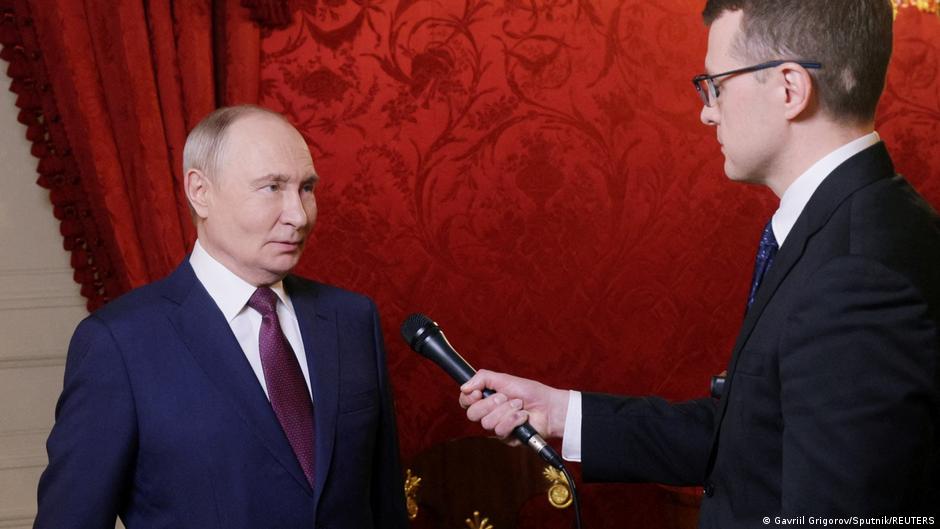
“Our primary objective remains consistent: to prevent Iran from acquiring nuclear weapons while responding decisively to provocations,” said US President Donald Trump in a televised interview on July 18.
The escalating conflict has prompted significant strategic repositioning of US military assets in the region. According to reports from The Wall Street Journal and The New York Times, the US is deploying additional combat aircraft to the Middle East. This includes F-16 fighters being relocated from Spangdahlem Air Base in Germany, and F-35 fighters from RAF Lakenheath in the United Kingdom. Tanker aircraft are also being dispatched to support extended operational capabilities.
These deployments signal an intensified military posture by the US, aimed at deterring further Iranian aggression and maintaining regional security. The bolstering of air power reflects a calculated response to evolving threats and the necessity to safeguard US interests and allies amid rising tensions.
Industry analysts note that these developments likely influence broader geopolitical dynamics and have implications for energy markets given the critical nature of the Strait of Hormuz as a global oil transit chokepoint. The situation underscores the complex interplay between military strategy, diplomatic pressure, and international commerce in this high-stakes environment.