US Military Strikes Iran for Ninth Consecutive Night Amid Escalating Regional Conflict
Sustained US attacks aim to weaken Iran's military capabilities as Tehran retaliates against American bases in Kuwait and Bahrain.
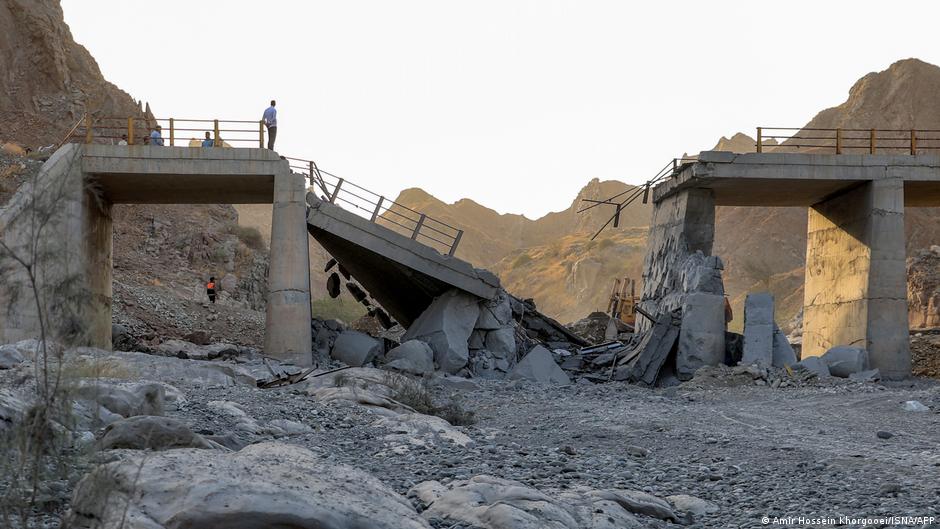
The United States military has carried out targeted strikes against Iranian sites for the ninth consecutive night following the collapse of a ceasefire between Tehran and Washington. These ongoing operations reflect an intensifying conflict with significant geopolitical and economic implications for the Middle East.
On July 20, US Central Command (CENTCOM) announced new attacks beginning at 2:30 a.m. Iranian time, aimed at further degrading Iran's military potential. The US government asserts these capabilities are used to launch attacks on commercial shipping and civilian mariners in the strategically vital Strait of Hormuz, a critical chokepoint for global energy supplies.
Strategic Impact and Regional Retaliation
In response, Iran has targeted American military installations in Kuwait and Bahrain, signaling a broader regional escalation. The Islamic Revolutionary Guard Corps (IRGC) also reported seizing two oil tankers near the Strait of Hormuz on the night of July 20, accusing the vessels of attempting unauthorized passage through the southern route of the strait. According to Iranian state media, the tankers exploded following the seizure.
"Tonight, we have dealt them a very serious blow in honor of our fallen soldiers," said US President Donald Trump, emphasizing the strikes as a direct retaliation for American military casualties.
The conflict has already resulted in significant US military losses, with CENTCOM reporting three additional service member deaths since the latest escalation, bringing the total US fatalities in the conflict to 17.
Shipping traffic through the Strait of Hormuz has seen a precipitous decline amid rising tensions. Data from the London Stock Exchange indicates only four vessels passed through on July 19, compared to eight on July 18, highlighting the operational disruptions to this critical maritime corridor.
Economic Implications for Energy Markets
Despite these disruptions, liquefied natural gas (LNG) production in Qatar and the United Arab Emirates remains relatively stable, according to industry analytics from S&P Global. However, the volatility has led to increased LNG inventories aboard vessels awaiting transit in the Persian Gulf. Estimates indicate that LNG tankers with a combined capacity nearing 1.9 million tons are currently anchored in the region, unable to proceed due to the heightened military activity.
This accumulation of LNG highlights the delicate balance between geopolitical conflict and energy market stability. Prolonged tensions and disruptions in the Strait of Hormuz pose significant risks to global energy supply chains, potentially driving volatility in prices and impacting international trade flows.
Corporate and Strategic Outlook
For corporations operating in the energy sector, particularly those with exposure to Persian Gulf exports and shipping logistics, the ongoing conflict necessitates vigilant risk assessment and contingency planning. The escalation between the US and Iran threatens not only physical assets but also supply chain continuity and market access.
From a strategic standpoint, the US military's sustained campaign aims to erode Iran's capacity to project power in the region, targeting infrastructure that facilitates maritime disruptions. Conversely, Iran's retaliatory strikes underscore its resolve to challenge US influence and safeguard its strategic interests along critical maritime routes.
As hostilities persist, businesses and governments alike must monitor developments closely to anticipate potential shifts in the competitive and geopolitical landscape that could impact investment decisions, operational security, and regional partnerships.