US Considers Charging Transit Fee for Strait of Hormuz Passage Amid Iran Deal Uncertainty
President Trump signals potential fee imposition for Strait of Hormuz transit if Iran agreement fails, impacting Middle East energy logistics.
The United States has indicated the possibility of imposing a transit fee on vessels passing through the Strait of Hormuz should negotiations with Iran collapse, a move that could reshape regional maritime commerce and energy supply chains.
Strategic Maneuver in Middle Eastern Geopolitics
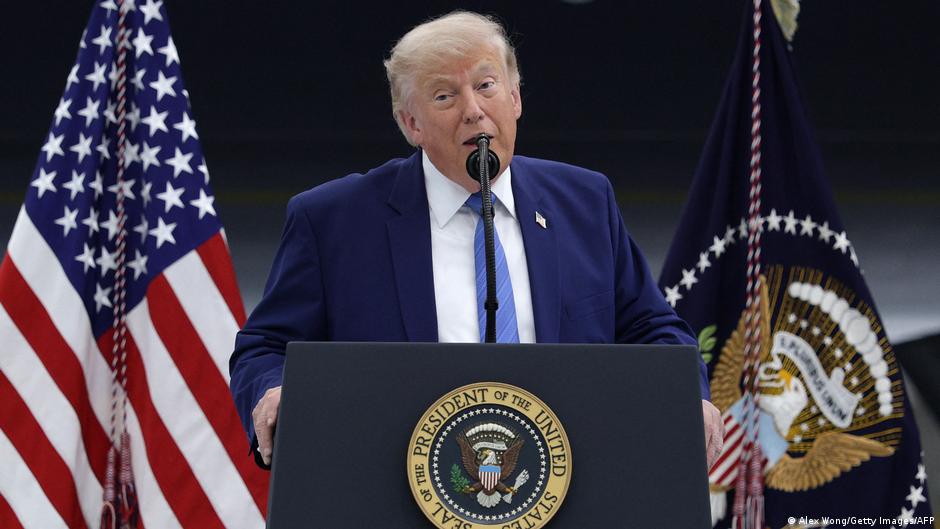
On June 20, President Donald Trump publicly warned via the platform Truth Social that the US might levy charges for passage through the Strait of Hormuz if the existing tentative deal with Iran fails. The fee would serve as compensation for the security and transit services Washington provides to countries in the Middle East, which Trump characterized as the "guardian angel" of the region.
The President emphasized a 60-day grace period during the ceasefire with Iran, during which no fees would be collected. This moratorium would extend beyond that timeframe contingent upon continued adherence to the deal’s terms by Tehran.
Earlier, on June 18, the US Central Command (CENTCOM) announced the lifting of a blockade on the Strait of Hormuz in accordance with directives from President Trump. This announcement came alongside statements from Vice President James David Vance, who highlighted a record volume of 12.5 million barrels of oil transiting the strait within 24 hours—the highest since the onset of hostilities involving the US and Israel against Iran on February 28.
"Over the past 24 hours, vessels passed through the Strait carrying a record 12.5 million barrels of oil, indicating significant maritime activity despite ongoing regional tensions," stated Vice President Vance.
In addition, Vance noted a cessation of Iranian attacks on ships for two consecutive nights, signaling a fragile but positive short-term reduction in conflict-related disruptions.
However, the situation remains volatile. On June 20, Iran announced a renewed prohibition on vessel transit through the strait. This decision was a direct response to Israeli military strikes in southern Lebanon, which Tehran viewed as a breach of the June 17 memorandum between the US and Iran that called for a cessation of hostilities on all fronts, including Lebanon.
The Iranian military command warned that further aggression would provoke escalated responses to compel opposing parties to honor their commitments.
Despite the brief ceasefire, between 60 and 80 vessels managed to transit the Strait of Hormuz during the three days of the agreement—compared to peacetime daily traffic which typically reaches around 100 vessels.
Business and Strategic Implications
From a corporate and economic perspective, the potential imposition of transit fees by the US presents new variables in the global energy supply chain and maritime logistics. Shipping companies, oil exporters, and energy-dependent nations could face increased costs, potentially shifting trade routes or accelerating strategic diversification of supply sources.
The US positioning itself as a security provider in the Gulf region may also influence negotiating leverage in future Middle East diplomacy and military engagements, affecting regional stability and international energy markets.