US Administration Considers Allowing Saudi Arabia Uranium Enrichment Amid Nuclear Energy Deal
Trump administration's tentative agreement may enable Saudi uranium enrichment without strict IAEA oversight, raising strategic and regional security concerns.
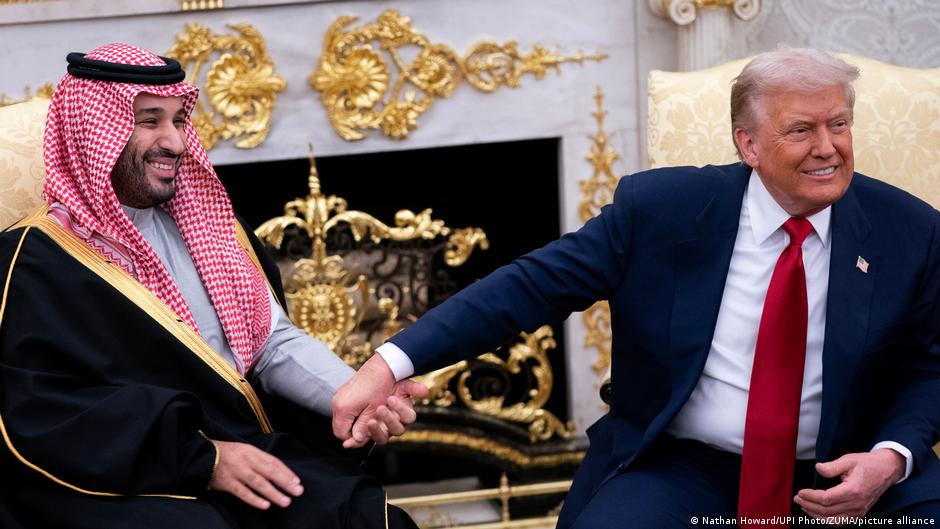
The Trump administration has tentatively agreed to permit Saudi Arabia to enrich uranium without binding guarantees that restrict development of nuclear weapons, according to informed sources. This move forms part of a proposed bilateral agreement aimed at expanding American support for Saudi Arabia's civil nuclear energy ambitions.
Strategic and Corporate Implications of the US-Saudi Nuclear Agreement
The prospective deal, still awaiting President Donald Trump's signature, outlines cooperation between Washington and Riyadh on civilian nuclear energy projects. A key point of contention is the absence of a requirement for Saudi Arabia to adhere to the International Atomic Energy Agency's (IAEA) Additional Protocol, which grants enhanced inspection powers to detect undeclared nuclear activities.
"The agreement’s lack of stringent safeguards could potentially pave the way for Saudi Arabia’s development of nuclear weapons," warned experts familiar with the negotiations.
From a corporate and strategic viewpoint, this agreement signals a significant shift in US-Saudi relations and regional competitive dynamics. Allowing uranium enrichment without robust verification mechanisms could accelerate Saudi Arabia's nuclear capabilities, affecting geopolitical risk assessments and influencing investment decisions in energy and defense sectors.
The deal also reflects Riyadh's strategic objective to diversify its energy portfolio and assert regional influence amid increasing tensions with Iran. Saudi Crown Prince Mohammed bin Salman has publicly stated that if Iran acquires nuclear weapons, Saudi Arabia would seek to develop its own nuclear arsenal, underscoring the competitive security environment in the Middle East.
Negotiations between the US and Saudi Arabia on this cooperation framework started with a goal to finalize the deal by autumn 2025. However, the process has experienced delays, with geopolitical developments — notably escalating US and Israeli tensions with Iran — cited as reasons for postponement.
For business analysts and corporate strategists, this evolving nuclear partnership bears watching for its potential to reshape energy markets, defense contracting, and regional alliances. The agreement raises critical questions about the balance between promoting civil nuclear energy collaboration and managing proliferation risks.
In sum, the US administration’s readiness to relax uranium enrichment restrictions for Saudi Arabia introduces complex challenges for international oversight and regional stability, with far-reaching implications for corporate strategy and geopolitical risk management.