Russian Military Executes Largest Ballistic Missile Strike on Kyiv Amidst Escalating Conflict
The Kremlin’s strategic missile attack on Kyiv causes significant urban damage and casualties, impacting corporate operations and urban infrastructure.
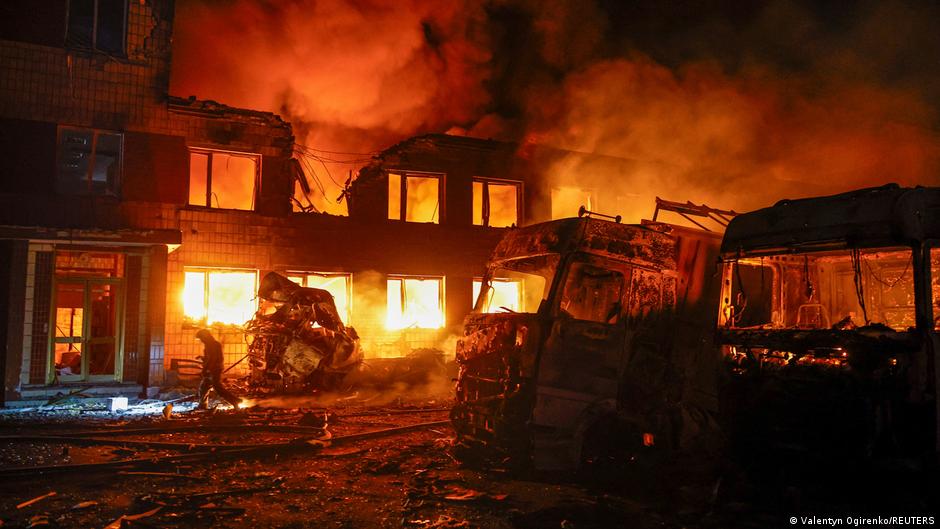
In the early hours of July 19, the Russian military launched a massive ballistic missile strike on the Ukrainian capital, Kyiv. The unprecedented assault resulted in widespread damage across multiple city districts, igniting fires in commercial, residential, and public facilities. This attack represents one of the largest coordinated missile operations targeting Kyiv since the conflict intensified.
Strategic Implications for Kyiv’s Urban Infrastructure and Business Environment
The missile strikes affected several key areas: the Dniprovskiy district witnessed smoke near a major shopping center, and debris ignited a fire in a nearby dormitory. In Shevchenkivskyi district, a three-story extension of an administrative building was set ablaze. Over ten parked vehicles were damaged, and windows of adjacent residential buildings were shattered.
In Solomianskyi district, missile fragments landed close to a nine-story building, damaging its glazing. Fires broke out on the roof of a supermarket and an adjacent residential building. These incidents collectively caused significant disruption to commercial activities and posed serious safety risks to residents and workers in the city.
"The scale and precision of this missile strike underscore an intensification in the Kremlin’s efforts to undermine Kyiv’s urban and economic stability," said an urban security analyst.
The Kyiv city military administration confirmed that eight people were injured during the attack, with one fatality reported. Beyond human casualties, the impact on Kyiv’s commercial infrastructure highlights the increasing risks to business operations amid ongoing geopolitical tensions.
From a corporate strategic standpoint, such attacks exacerbate operational uncertainties and may accelerate trends in corporate risk management, including diversification of assets and relocation strategies away from conflict-prone regions.
Moreover, the attack signals a potential shift in the competitive landscape for businesses operating within Kyiv and Ukraine at large, compelling firms to reassess their contingency frameworks. For multinational companies and investors, the heightened threat environment may influence investment decisions and long-term planning.
As Kyiv continues to grapple with these security challenges, the resilience of its urban infrastructure and business community will be critical to sustaining economic activity under duress.