Pakistan Announces Immediate Opening of Strait of Hormuz Following US-Iran Memorandum
Pakistan’s Prime Minister confirms the Strait of Hormuz will reopen after US and Iran sign a ceasefire memorandum, signaling potential shifts in regional trade dynamics.
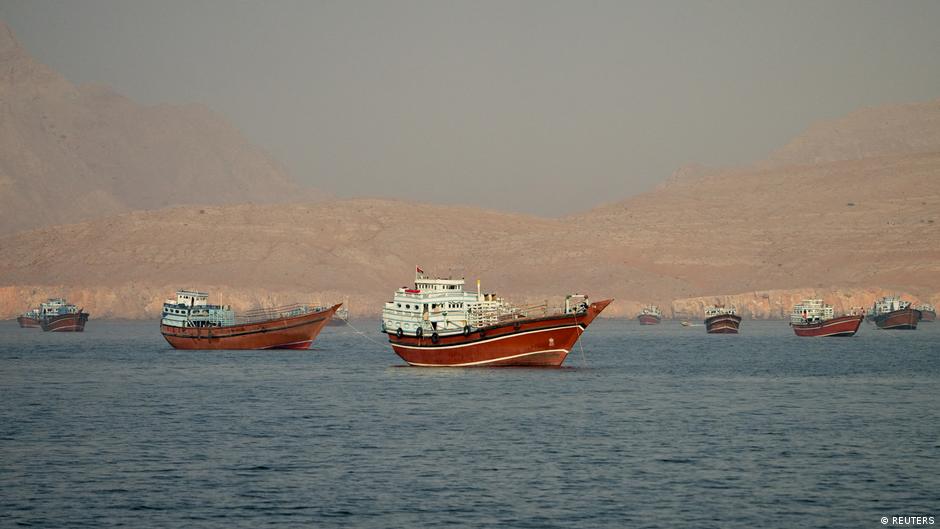
The Strait of Hormuz, a pivotal maritime chokepoint for global energy supplies, is set to reopen immediately following the signing of a ceasefire memorandum between the United States and Iran. Pakistan’s Prime Minister Shahbaz Sharif announced on June 18 that the agreement, signed digitally by US President Donald Trump and Iranian President Masud Pezeshkian on June 17, has already come into effect.
Strategic Implications of the Memorandum
The memorandum outlines a cessation of hostilities and sets a 60-day timeline for negotiating a comprehensive peace treaty. Simultaneously, it mandates the lifting of the US blockade on Iranian ports, which has been a significant factor restricting Iran’s trade and maritime activities.
Sharif’s statement on social media highlighted the memorandum’s immediate operational impact, stating that the Strait of Hormuz will be opened for navigation without delay. This development is expected to have significant ramifications for the global energy market, given the strait’s role in transporting approximately 20% of the world’s petroleum.
“The reopening of the Strait of Hormuz marks a crucial step toward regional stability and renewed trade flows,” said the Prime Minister.
Pakistan’s role as a mediator underscores its strategic positioning in the region and its interest in stabilizing trade routes and political relations that directly affect its economy. The mediation effort also involves Qatar, which supports the upcoming formal signing ceremony scheduled for June 19 in Switzerland.
Next Steps and Business Outlook
The formal signing event will take place at a luxury hotel near Lucerne, symbolizing a diplomatic milestone and the transition to technical-level discussions for the final peace accord. The agreement’s implementation could ease geopolitical tensions, reduce risk premiums on shipping insurance, and potentially increase investment opportunities in regional infrastructure and energy sectors.
For businesses and multinational corporations operating in the Middle East and global energy markets, the memorandum signals a potential recalibration of risk and opportunity. Companies involved in shipping, oil and gas, and port operations stand to benefit from the resumption of maritime traffic through the strait.
Moreover, the lifting of sanctions-related restrictions on Iranian ports could open new avenues for trade partnerships and mergers and acquisitions involving Iranian entities, which have been largely sidelined due to geopolitical tensions.
Overall, the agreement represents a strategic pivot toward de-escalation in a key commercial corridor, with implications for regional stability and international commerce.